
 EN
EN
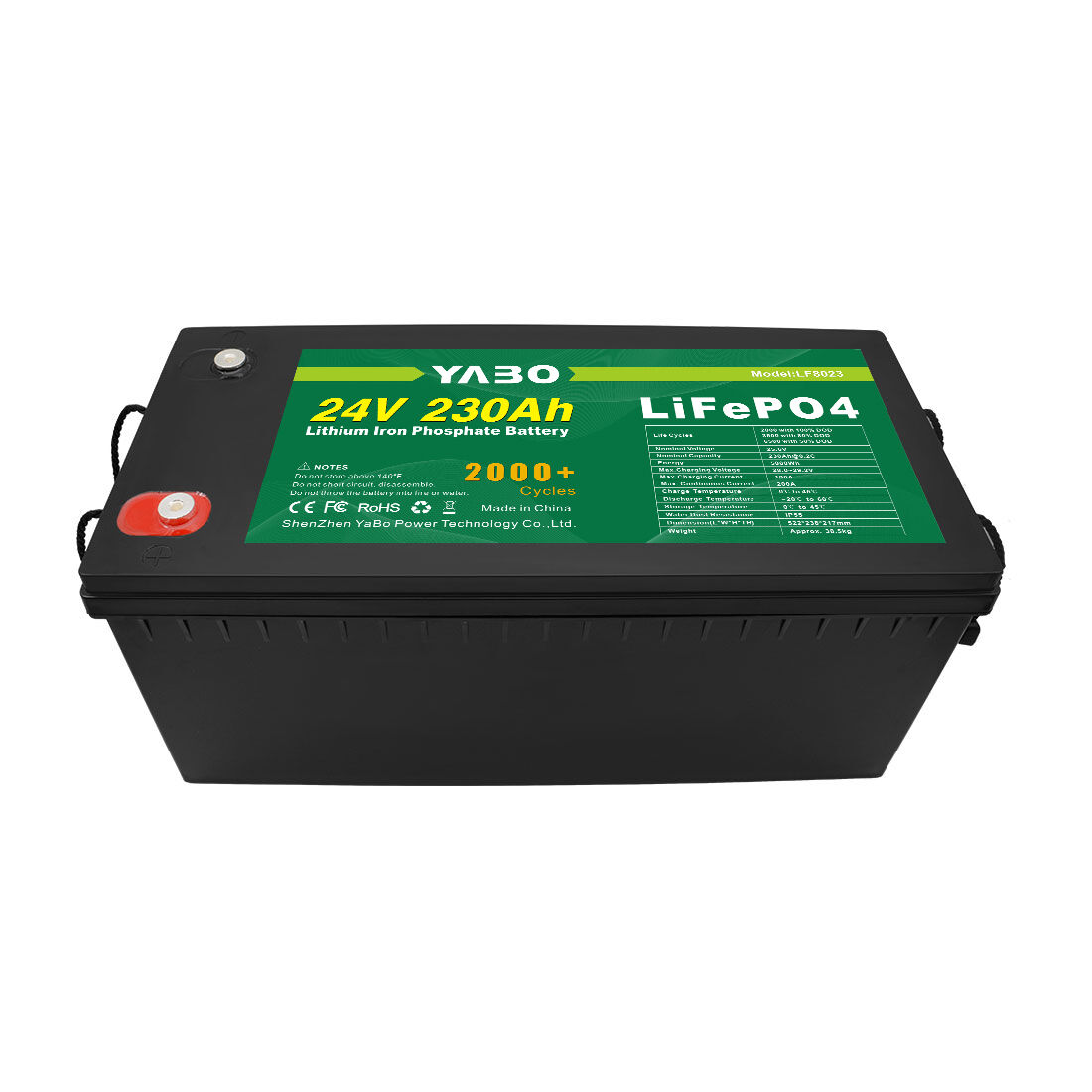
The long-term stability of lithium iron phosphate packs depends on a complex interplay of material properties, manufacturing quality, operational conditions, and maintenance practices. Understanding these critical factors enables operators to maximize the performance lifespan of their energy storage systems while maintaining consistent power delivery across thousands of charge-discharge cycles. Industrial applications particularly benefit from this knowledge as it directly impacts operational costs, maintenance scheduling, and system reliability over decades of service.
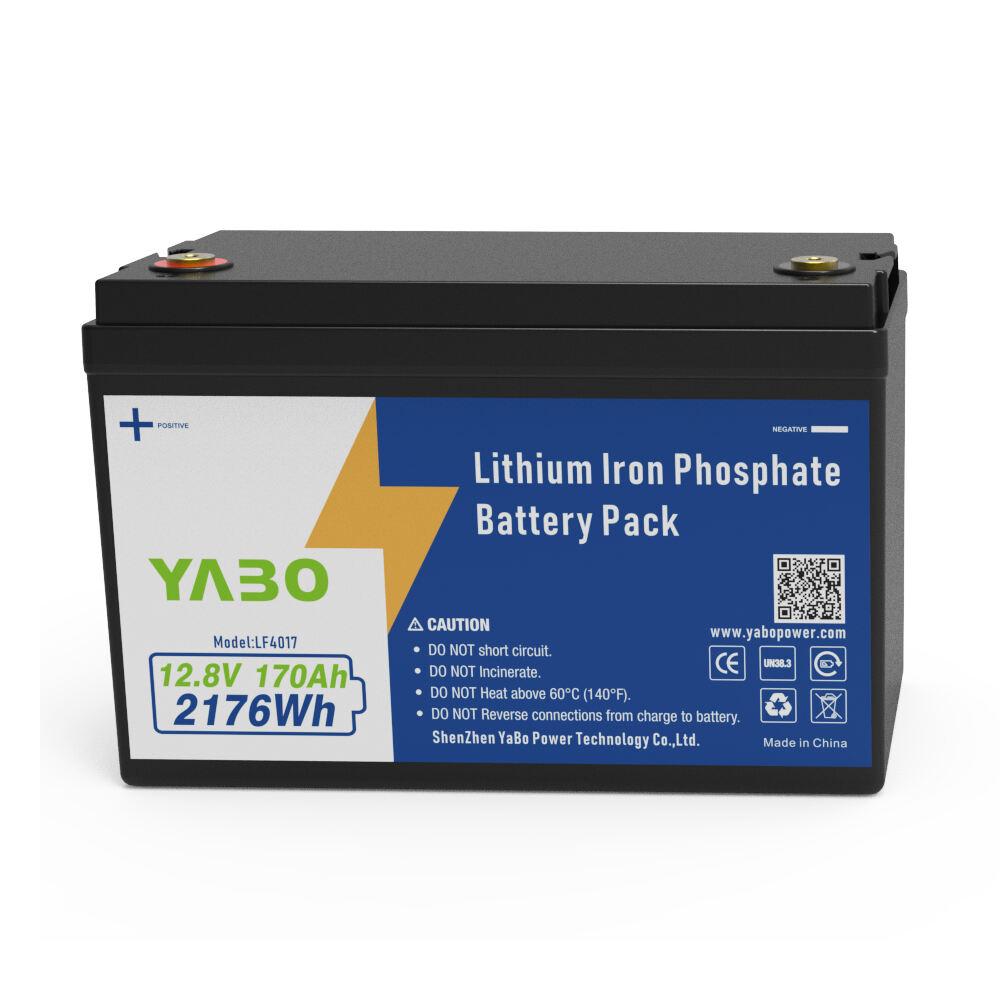
Multiple interconnected variables influence how effectively these battery systems maintain their capacity, voltage stability, and thermal characteristics throughout their operational lifetime. From the microscopic level of electrode chemistry to the macroscopic considerations of thermal management and load patterns, each element contributes to the overall degradation rate and performance retention of lithium iron phosphate packs in real-world applications.
Chemical and Material Factors
Electrode Chemistry Stability
The fundamental chemistry of lithium iron phosphate packs provides inherent stability advantages compared to other lithium-ion technologies. The olivine crystal structure of LiFePO4 cathode material exhibits exceptional thermal and chemical stability, resisting structural decomposition even under stress conditions. This stability directly correlates with slower capacity fade rates and extended calendar life in practical applications.
However, the quality of the cathode material synthesis significantly affects long-term performance. Particle size distribution, carbon coating uniformity, and crystal defect density all influence how effectively lithium ions can intercalate and deintercalate during charge cycles. Manufacturing variations in these parameters create performance disparities between different lithium iron phosphate packs, even when using similar base chemistry.
The anode material selection and treatment also plays a crucial role in stability. Graphite anodes with optimized surface treatments and particle morphology reduce unwanted side reactions that consume active lithium over time. Premium lithium iron phosphate packs incorporate specialized anode formulations that minimize solid electrolyte interphase growth, a primary degradation mechanism that reduces available capacity.
Electrolyte Composition and Purity
Electrolyte formulation directly impacts the electrochemical stability window and long-term performance of lithium iron phosphate packs. High-purity lithium salts and carefully selected organic solvents create stable ionic transport media that resist decomposition reactions. Trace impurities, particularly water and metal contaminants, accelerate degradation processes and reduce operational lifespan.
Advanced electrolyte additives enhance stability by forming protective layers on electrode surfaces and scavenging reactive species that would otherwise cause capacity loss. Flame retardant additives and overcharge protection compounds provide additional safety margins while maintaining electrochemical performance. The concentration and ratio of these additives require precise optimization for each specific application profile.
Temperature-dependent electrolyte behavior affects stability across the operational range. At elevated temperatures, increased ionic conductivity improves performance but may accelerate unwanted side reactions. Conversely, low-temperature conditions can cause electrolyte crystallization or precipitation, temporarily reducing capacity and potentially causing mechanical stress within lithium iron phosphate packs.
Manufacturing and Assembly Quality
Cell Construction Standards
Manufacturing precision fundamentally determines the long-term reliability of lithium iron phosphate packs. Electrode coating uniformity, compression density, and alignment tolerances affect current distribution and mechanical stability within individual cells. Variations in these parameters create hot spots and stress concentrations that accelerate local degradation and reduce overall pack lifespan.
Welding quality for current collectors and tab connections directly influences internal resistance and thermal behavior. Poor welding creates high-resistance joints that generate heat during operation, creating thermal gradients that stress nearby materials. Premium manufacturing facilities employ laser welding and automated quality control systems to ensure consistent connection quality across all cells within lithium iron phosphate packs.
Moisture control during assembly prevents contamination that would compromise electrolyte stability. Dry room environments with controlled humidity levels ensure that water vapor does not introduce impurities during cell construction. This environmental control extends to packaging materials and sealing processes that maintain internal atmosphere purity throughout the operational lifetime.
Pack Assembly and Integration
Module-level assembly quality affects thermal management, mechanical integrity, and electrical performance of complete lithium iron phosphate packs. Proper cell spacing and thermal interface materials ensure effective heat dissipation while preventing thermal runaway propagation. Compression systems maintain consistent contact pressure without over-stressing individual cells.
Interconnection design influences current sharing and voltage balancing across parallel cell groups. High-quality bus bars with appropriate cross-sectional area minimize resistive losses while providing reliable current paths. Connection hardware must accommodate thermal expansion and vibration without introducing mechanical stress or electrical resistance variations over time.
Protection circuit integration requires careful consideration of switching characteristics and monitoring accuracy. Battery management systems must accurately measure cell voltages, temperatures, and currents to implement appropriate protection algorithms. Sensor placement and calibration directly affect the system's ability to prevent damaging operating conditions that would reduce stability.
Operating Environment and Conditions
Temperature Management Impact
Operating temperature represents one of the most significant factors affecting the long-term stability of lithium iron phosphate packs. Elevated temperatures accelerate chemical aging processes, increase internal resistance growth, and promote electrolyte decomposition. Each 10°C increase in average operating temperature can approximately double the rate of capacity degradation, making thermal management critical for longevity.
Temperature uniformity across the pack prevents localized aging and capacity imbalances between cells. Thermal gradients cause differential aging rates that lead to progressive performance divergence within the pack. Advanced thermal management systems incorporate active cooling, heating elements, and sophisticated control algorithms to maintain optimal temperature ranges and minimize spatial variations.
Thermal cycling effects compound steady-state temperature impacts on lithium iron phosphate packs. Repeated expansion and contraction cycles create mechanical stress at material interfaces, potentially causing electrode delamination or electrolyte redistribution. Applications with significant daily temperature swings require robust mechanical design and materials selection to withstand these cyclic stresses.
Charge and Discharge Patterns
Depth of discharge significantly influences cycle life and capacity retention in lithium iron phosphate packs. Shallow cycling preserves electrode materials and reduces stress on the electrolyte system, extending operational lifetime. Deep discharge cycles, while maximizing energy utilization, accelerate degradation processes and reduce the total number of achievable cycles before capacity falls below acceptable thresholds.
Charge rate affects lithium plating tendency and thermal generation within cells. High-rate charging can cause lithium deposition on the anode surface, permanently reducing available capacity and creating safety hazards. Optimal charging protocols balance charging speed with long-term stability, often incorporating temperature compensation and multi-stage charging profiles.
Voltage extremes during operation stress electrode materials and electrolyte components in lithium iron phosphate packs. Overcharge conditions promote unwanted side reactions and gas generation, while deep discharge can cause copper dissolution from current collectors. Precision battery management systems prevent these extreme conditions while maximizing usable capacity range.
Maintenance and Management Strategies
Battery Management System Optimization
Advanced battery management systems preserve long-term stability through precise monitoring and control algorithms. Accurate cell balancing prevents capacity divergence that would otherwise limit pack performance as weaker cells reach voltage limits before stronger cells. Active balancing systems can recover energy from stronger cells and redistribute it to weaker ones, maintaining pack uniformity.
State-of-charge estimation accuracy enables optimal operating strategies that avoid damaging conditions while maximizing energy utilization. Sophisticated algorithms incorporate temperature effects, aging compensation, and historical performance data to provide reliable capacity predictions. This information enables proactive maintenance scheduling and replacement planning for lithium iron phosphate packs.
Fault detection capabilities identify developing problems before they compromise pack stability or safety. Advanced diagnostics monitor internal resistance trends, capacity fade rates, and thermal characteristics to detect early signs of cell degradation. Predictive maintenance based on these measurements prevents catastrophic failures and extends overall system lifetime.
Preventive Maintenance Protocols
Regular inspection schedules ensure mechanical integrity and electrical connections remain secure throughout the operational lifetime of lithium iron phosphate packs. Torque verification for electrical connections prevents resistance increases that would generate heat and accelerate local degradation. Visual inspection identifies corrosion, physical damage, or thermal stress indicators before they affect performance.
Cleaning protocols remove dust, moisture, and contaminants that could affect thermal management or create electrical hazards. Proper cleaning procedures avoid damaging sensitive components while maintaining optimal heat transfer characteristics. Environmental sealing inspection ensures moisture barriers remain effective over extended periods.
Performance testing validates capacity retention and identifies cells requiring replacement before they limit overall pack capability. Controlled discharge testing under standardized conditions provides objective measurements of aging progression. These tests enable data-driven replacement decisions that optimize both performance and economic value throughout the system lifetime.
FAQ
How does temperature affect the degradation rate of lithium iron phosphate packs?
Temperature significantly accelerates chemical aging processes within lithium iron phosphate packs. Higher operating temperatures increase the rate of electrolyte decomposition, solid electrolyte interphase growth, and active material degradation. Generally, every 10°C increase in average operating temperature can approximately double the degradation rate, making thermal management one of the most critical factors for maximizing pack lifespan in industrial applications.
What role does depth of discharge play in long-term stability?
Depth of discharge directly correlates with cycle life and capacity retention in lithium iron phosphate packs. Shallow discharge cycles cause less stress on electrode materials and preserve electrolyte stability, resulting in significantly more total cycles before capacity drops below acceptable levels. While deeper discharges maximize energy utilization per cycle, they accelerate aging processes and reduce the total energy throughput achievable over the pack's lifetime.
How important is manufacturing quality for long-term performance?
Manufacturing quality fundamentally determines the baseline performance and degradation characteristics of lithium iron phosphate packs. Poor manufacturing introduces defects, contamination, and structural inconsistencies that create failure modes and accelerate aging processes. High-quality manufacturing with precise process control, clean room environments, and rigorous quality testing establishes the foundation for stable long-term performance and predictable degradation patterns.
Can battery management systems significantly extend pack lifespan?
Advanced battery management systems play a crucial role in extending the operational lifetime of lithium iron phosphate packs through precise monitoring, protection, and optimization strategies. Effective cell balancing prevents capacity divergence, while sophisticated charge algorithms avoid damaging conditions. Predictive maintenance capabilities enabled by continuous monitoring can identify developing issues before they compromise stability, allowing proactive interventions that preserve performance and extend service life significantly beyond what would be achievable with basic protection systems.