
 EN
EN
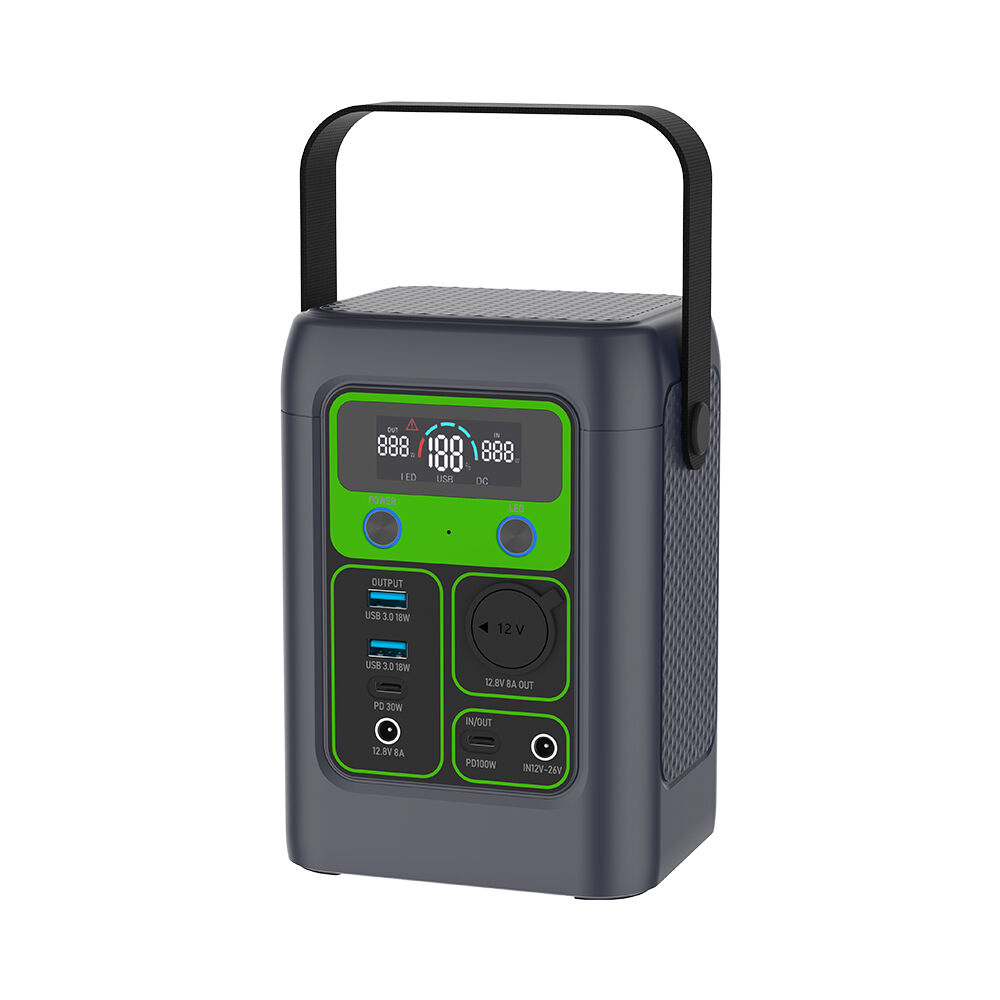
When emergencies strike and the power grid fails, having reliable backup power becomes absolutely critical. LiFePO4 portable power stations have emerged as the superior choice for emergency preparedness, offering unique advantages that traditional backup solutions simply cannot match. These innovative power systems combine advanced lithium iron phosphate battery technology with portable design, creating an emergency backup solution that delivers both reliability and versatility when you need it most.
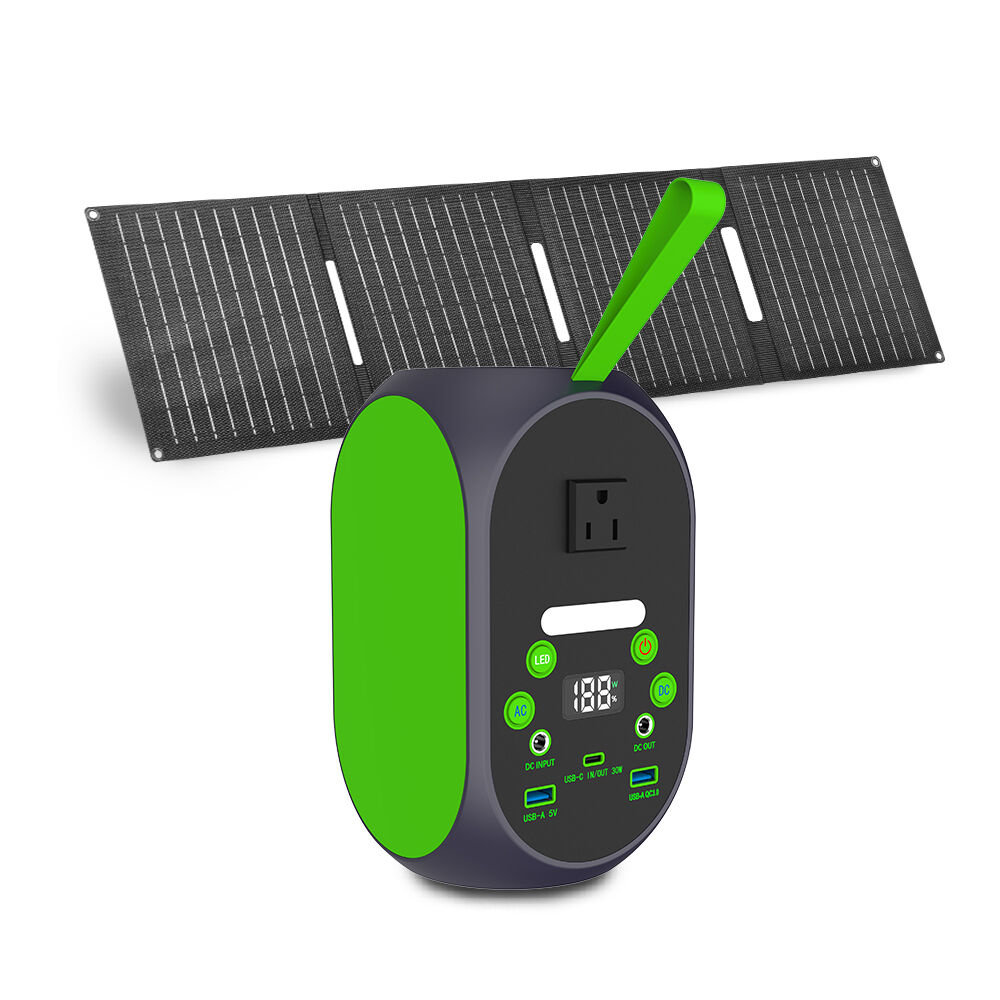
Understanding what makes LiFePO4 portable power stations ideal for emergency backup requires examining their core technological advantages, safety characteristics, and practical performance in crisis situations. Unlike conventional backup power solutions, these systems leverage the inherent stability and longevity of lithium iron phosphate chemistry to provide consistent, safe, and long-lasting emergency power support for essential devices and systems.
Superior Battery Chemistry for Emergency Reliability
Exceptional Cycle Life and Durability
The lithium iron phosphate chemistry used in LiFePO4 portable power stations provides exceptional cycle life that makes them ideal for emergency backup applications. These batteries can typically handle 3,000 to 5,000 charge cycles while maintaining 80% of their original capacity, compared to traditional lithium-ion batteries that often degrade significantly after 500 to 1,000 cycles. This extended lifespan ensures that your emergency backup system remains reliable over many years of periodic use and regular maintenance charging.
During emergency situations, the durability of LiFePO4 portable power stations becomes particularly valuable. These systems can withstand repeated deep discharge cycles without suffering permanent damage, allowing you to fully utilize their capacity when power outages extend for days or weeks. The robust chemistry also handles temperature variations better than other lithium technologies, maintaining performance in both cold winter emergencies and hot summer power failures.
The self-discharge rate of LiFePO4 batteries is remarkably low, typically losing only 2-3% of charge per month when stored properly. This characteristic makes these portable power stations excellent for emergency preparedness, as they can sit ready for months without requiring frequent maintenance charging, yet still deliver full capacity when called upon during actual emergencies.
Enhanced Safety During Crisis Situations
Safety becomes paramount during emergency situations, and LiFePO4 portable power stations excel in this critical area. The lithium iron phosphate chemistry is inherently stable and does not experience thermal runaway under normal operating conditions, making these systems much safer than other lithium battery technologies during high-stress emergency scenarios. This stability provides peace of mind when operating backup power indoors or in confined spaces during disasters.
The chemical stability of LiFePO4 batteries means they do not release toxic gases or pose fire hazards even when damaged or overcharged. During emergency situations where proper ventilation might be compromised or where the system might face physical stress from debris or flooding, this safety advantage becomes crucial for protecting both people and property.
Advanced battery management systems in quality LiFePO4 portable power stations provide multiple layers of protection including overvoltage protection, undervoltage protection, overcurrent protection, and temperature monitoring. These safety features ensure reliable operation even when the system faces challenging conditions during extended power outages or natural disasters.
Optimal Power Output Characteristics for Emergency Needs
Consistent Voltage Delivery Under Load
LiFePO4 portable power stations maintain remarkably stable voltage output throughout their discharge cycle, making them ideal for powering sensitive electronic equipment during emergencies. Unlike lead-acid batteries that experience significant voltage drop as they discharge, LiFePO4 systems deliver consistent 12V, 24V, or higher voltages until nearly completely depleted. This stable power delivery ensures that medical devices, communication equipment, and other critical electronics function properly throughout extended power outages.
The flat discharge curve characteristic of LiFePO4 batteries means that connected devices receive clean, stable power that matches their design requirements. During emergencies, this becomes particularly important when powering medical equipment like CPAP machines, oxygen concentrators, or medication refrigeration units that require precise voltage levels to function safely and effectively.
High-quality inverters integrated into LiFePO4 portable power stations typically provide pure sine wave AC output that is identical to grid power quality. This clean power output protects sensitive electronics from damage and ensures optimal performance of devices like laptop computers, wireless routers, and smart home systems that may be essential for emergency communication and coordination.
Rapid Recharge Capabilities
The fast charging capability of LiFePO4 portable power stations makes them particularly valuable during intermittent power outages or when emergency power is available for limited periods. These systems can typically recharge to 80% capacity in 1-2 hours when connected to AC power, allowing rapid recovery between outage periods. This fast recharge capability ensures maximum availability when power becomes available briefly during extended emergency situations.
Many LiFePO4 portable power stations support multiple charging inputs simultaneously, including AC wall power, DC car charging, and solar panel inputs. This flexibility allows for opportunistic charging during emergencies when different power sources might become temporarily available. The ability to charge from car batteries while driving or from portable solar panels during daylight hours provides valuable energy recovery options during extended grid failures.
Advanced charging algorithms in quality LiFePO4 portable power stations optimize charging speed while protecting battery health. These systems automatically adjust charging current and voltage based on battery temperature and state of charge, ensuring safe and efficient energy recovery even under challenging emergency conditions where ambient temperatures might be extreme.
Practical Advantages for Emergency Deployment
Portability and Setup Simplicity
The compact and lightweight design of LiFePO4 portable power stations makes them ideal for emergency situations where mobility and quick deployment are essential. Unlike stationary generators or heavy battery banks, these systems can be easily moved to where power is needed most urgently, whether that's powering medical equipment in a bedroom, charging communication devices in a family room, or providing light in work areas during recovery efforts.
Most LiFePO4 portable power stations feature plug-and-play operation with no complex setup requirements. During high-stress emergency situations, this simplicity becomes invaluable as users can immediately begin powering essential devices without dealing with fuel mixing, electrical connections, or complicated startup procedures. The systems typically feature clear digital displays showing remaining capacity, power output, and charging status, providing users with essential information for power management during emergencies.
The silent operation of LiFePO4 portable power stations provides a significant advantage during emergencies, especially in residential areas where noise ordinances might still apply or where stealth operation is desired for security reasons. Unlike gasoline generators that announce their presence and location, these battery systems operate completely silently, allowing for discreet emergency power support.
Multi-Device Power Management
Modern LiFePO4 portable power stations typically feature multiple output ports including AC outlets, USB-A and USB-C ports, and DC outputs, allowing simultaneous powering of different device types. This versatility becomes crucial during emergencies when families need to maintain charging for phones, power laptop computers, run small appliances, and operate emergency lighting simultaneously from a single power source.
The power management systems in quality LiFePO4 portable power stations automatically optimize power distribution across connected devices, ensuring efficient use of stored energy while protecting against overload conditions. During long-duration power outages, this intelligent power management helps maximize the operating time for essential devices while preventing system shutdown due to overcurrent conditions.
Many LiFePO4 portable power stations include priority power features that maintain charging for the most critical devices even when system capacity becomes limited. These features allow users to designate essential devices like medical equipment or communication tools for continued operation while less critical devices are automatically disconnected to preserve battery capacity for emergency needs.
Cost-Effectiveness and Long-Term Value
Total Cost of Ownership Benefits
While LiFePO4 portable power stations may require higher initial investment compared to traditional emergency power solutions, their exceptional lifespan and minimal maintenance requirements create superior long-term value. The 10-15 year service life typical of quality LiFePO4 systems far exceeds the 3-5 year replacement cycle common with lead-acid battery backup systems, resulting in lower total cost of ownership over the system's lifetime.
The elimination of fuel costs, oil changes, and regular maintenance associated with gasoline generators makes LiFePO4 portable power stations significantly more economical for emergency backup applications. These systems require no ongoing consumables and maintain their full capacity with minimal periodic maintenance, reducing both the financial burden and logistical complexity of emergency preparedness.
The high efficiency of LiFePO4 portable power stations, typically 90-95% round-trip efficiency, means that nearly all energy stored in the battery is available for powering devices. This efficiency advantage translates to longer runtime per charge cycle and reduced charging costs compared to less efficient battery technologies, making each kilowatt-hour of stored energy more valuable during emergencies.
Reduced Environmental Impact
LiFePO4 portable power stations provide emergency backup power without producing emissions, noise, or requiring fossil fuels, making them environmentally responsible choices for emergency preparedness. This clean operation becomes particularly important during natural disasters when air quality may already be compromised by smoke, dust, or other environmental contaminants that would be worsened by generator emissions.
The recyclable nature of lithium iron phosphate batteries means that LiFePO4 portable power stations can be responsibly disposed of at end-of-life, with valuable materials recovered for reuse in new battery production. This sustainable lifecycle approach aligns with growing environmental consciousness while providing reliable emergency power support.
The compatibility of LiFePO4 portable power stations with solar charging creates opportunities for truly renewable emergency power systems. During extended outages, solar panels can provide ongoing energy input to maintain system capacity, creating sustainable emergency power that doesn't depend on fuel supplies or grid recovery for continued operation.
FAQ
How long can LiFePO4 portable power stations power essential devices during emergencies?
The runtime depends on battery capacity and connected load, but typical LiFePO4 portable power stations can power a smartphone for 50-100+ charges, a laptop for 8-15 hours, LED lights for 100+ hours, or a small refrigerator for 6-12 hours. The key advantage is that LiFePO4 chemistry delivers nearly 100% of rated capacity, unlike other battery types that may only provide 70-80% usable capacity.
Can LiFePO4 portable power stations be safely used indoors during power outages?
Yes, LiFePO4 portable power stations are completely safe for indoor use during emergencies. They produce no emissions, generate minimal heat, operate silently, and the stable chemistry poses no risk of toxic gas release or fire hazards. This makes them ideal for powering medical equipment, communication devices, and lighting inside homes during extended power outages.
How do LiFePO4 portable power stations compare to gasoline generators for emergency backup?
LiFePO4 portable power stations offer several advantages over generators: silent operation, no fuel requirements, instant startup, indoor safety, zero emissions, and no maintenance needs. However, generators typically provide higher sustained power output. LiFePO4 systems excel for powering electronics, medical devices, and moderate loads, while generators are better suited for high-power appliances and whole-house backup.
What maintenance is required to keep LiFePO4 portable power stations ready for emergencies?
Minimal maintenance is required for LiFePO4 portable power stations. The main requirement is periodic charging every 3-6 months to maintain battery health and full capacity. The systems should be stored in moderate temperature conditions and checked annually to ensure all ports and displays function properly. Unlike generators, there are no filters to change, fluids to check, or engines to maintain.
Table of Contents
- Superior Battery Chemistry for Emergency Reliability
- Optimal Power Output Characteristics for Emergency Needs
- Practical Advantages for Emergency Deployment
- Cost-Effectiveness and Long-Term Value
-
FAQ
- How long can LiFePO4 portable power stations power essential devices during emergencies?
- Can LiFePO4 portable power stations be safely used indoors during power outages?
- How do LiFePO4 portable power stations compare to gasoline generators for emergency backup?
- What maintenance is required to keep LiFePO4 portable power stations ready for emergencies?