
 EN
EN
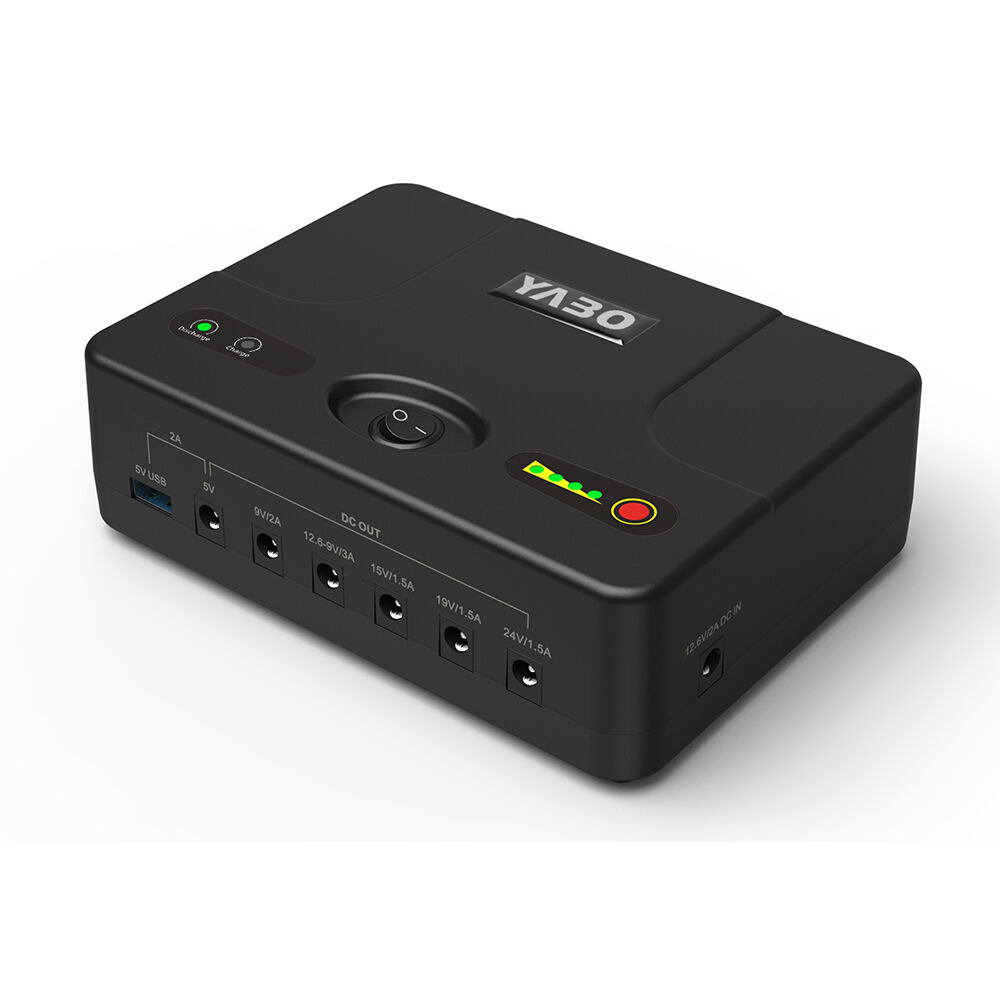
Selecting the right 12V Li-ion packs for industrial, commercial, or specialized applications requires careful evaluation of multiple technical specifications that directly impact performance, safety, and operational longevity. Unlike conventional lead-acid batteries, lithium-ion technology offers superior energy density and cycle life, but the quality and suitability of these packs vary significantly across manufacturers and product lines. Buyers who fail to verify critical specifications risk acquiring systems that underperform, degrade prematurely, or create safety hazards in demanding operational environments. Understanding which specifications matter most enables procurement teams and technical decision-makers to distinguish between basic commodity offerings and high-performance solutions engineered for reliability.
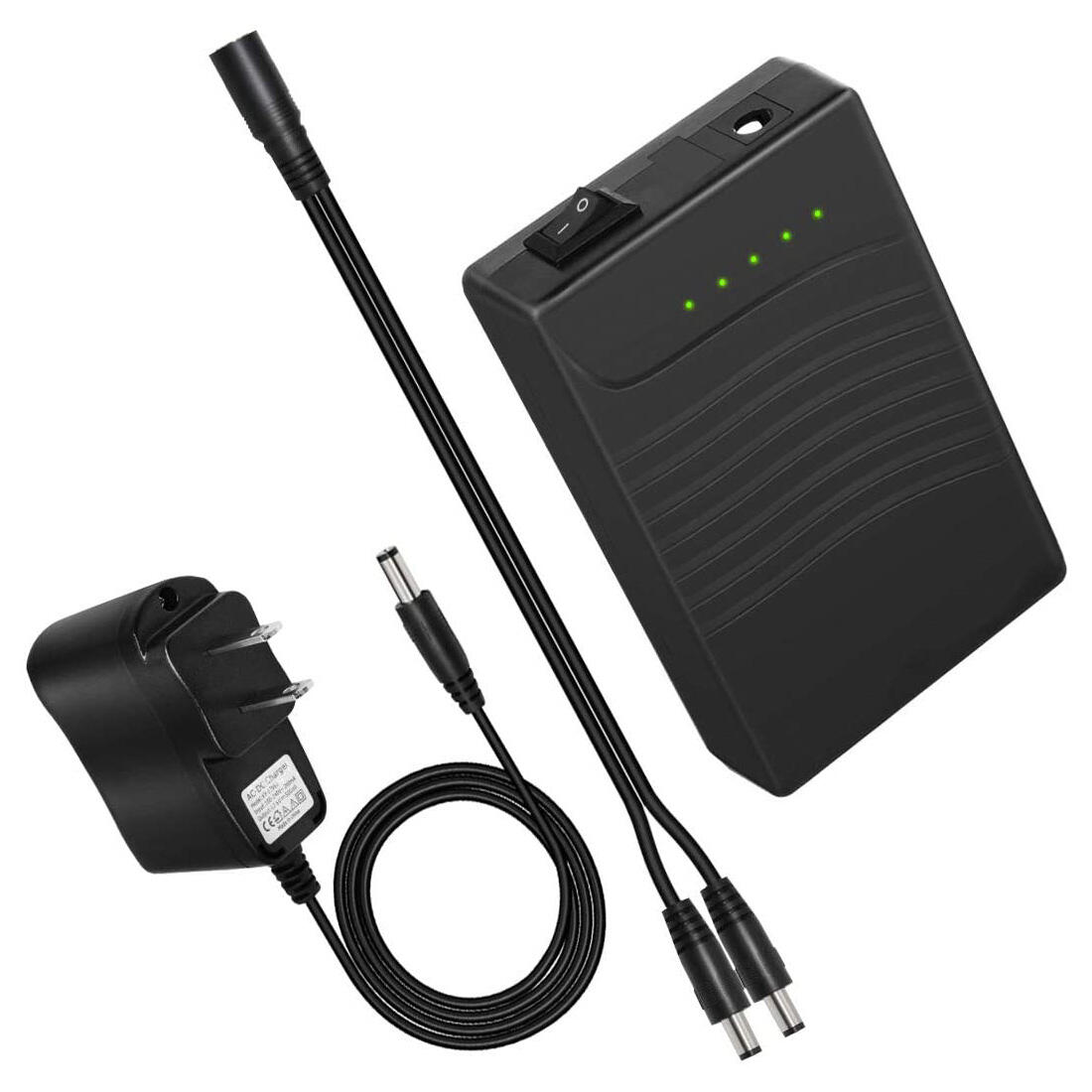
This comprehensive guide identifies the essential specifications that determine whether a 12V lithium-ion battery pack meets application requirements, focusing on capacity ratings, discharge characteristics, thermal management capabilities, protection circuitry, mechanical design factors, and certification standards. Each specification category reveals different aspects of pack performance and reliability, requiring buyers to match technical parameters with actual use-case demands rather than relying solely on headline capacity figures. By systematically verifying these key specifications during the procurement process, organizations can minimize total cost of ownership while ensuring their power systems deliver consistent performance across expected operational conditions and service lifespans.
Capacity and Energy Specifications That Define Usable Power
Nominal Capacity Versus Actual Usable Capacity
The nominal capacity rating of 12V Li-ion packs, typically expressed in ampere-hours or milliampere-hours, represents the total charge storage under specific test conditions, but buyers must understand that usable capacity often differs from this nominal specification. Manufacturers usually rate capacity at a standard discharge rate, commonly the C/5 or C/10 rate, under controlled temperature conditions around 25 degrees Celsius. However, real-world applications may demand higher discharge rates or operate in temperature ranges that reduce accessible capacity by fifteen to thirty percent. Verifying the capacity specification requires examining the discharge rate conditions under which the manufacturer established the rating, ensuring alignment between test parameters and actual application demands.
Quality 12V Li-ion packs include detailed capacity curves showing available energy at various discharge rates and temperatures, providing buyers with realistic performance expectations rather than optimistic single-point specifications. Battery management systems integrated into professional-grade packs typically limit depth of discharge to preserve cycle life, meaning a pack rated at 3000mAh might restrict access to approximately 2700mAh during normal operation to maintain health over thousands of cycles. Buyers should request capacity retention data across the expected service life, as lithium-ion cells typically maintain eighty percent of original capacity after 500 to 2000 cycles depending on chemistry and usage patterns. Understanding these capacity dynamics ensures procurement decisions account for long-term performance rather than initial specifications alone.
Energy Density and Volumetric Constraints
Energy density specifications for 12V Li-ion packs determine how much power fits within given space and weight constraints, critical factors for mobile equipment, aerospace applications, and space-limited installations. Volumetric energy density, measured in watt-hours per liter, indicates how efficiently the pack design utilizes available space, with superior designs achieving higher energy storage through optimized cell arrangement and minimal structural overhead. Gravimetric energy density, expressed in watt-hours per kilogram, matters particularly for portable applications and weight-sensitive systems where every gram affects operational efficiency or transport costs. These density specifications vary considerably based on cell chemistry selection, with different lithium-ion variants offering distinct tradeoffs between energy density, power capability, safety characteristics, and cost.
Buyers evaluating 12V Li-ion packs for replacement of legacy lead-acid systems can typically achieve three to four times greater energy density, dramatically reducing weight and volume for equivalent capacity. However, achieving maximum energy density often requires accepting limitations in other performance areas such as maximum discharge rate or cycle life expectancy. Applications requiring both high energy density and high power output may need to compromise on one dimension or select premium cell chemistries that deliver both characteristics at increased cost. Verifying energy density specifications against mechanical envelope constraints and weight budgets early in the selection process prevents costly redesigns and ensures the chosen pack physically integrates into the intended system architecture.
Voltage Characteristics Across Discharge Profiles
The voltage behavior of 12V Li-ion packs throughout the discharge cycle significantly affects compatibility with connected equipment and overall system efficiency, making voltage profile specifications essential verification points. Unlike lead-acid batteries that exhibit relatively flat voltage during most of their discharge, lithium-ion chemistry demonstrates more pronounced voltage decline from fully charged state around 12.6 volts to nominal voltage near 11.1 volts and cut-off voltage typically between 9.0 and 10.0 volts. Connected equipment must operate effectively across this voltage range, or the pack requires integrated voltage regulation adding complexity and reducing efficiency. Buyers should request complete voltage-versus-capacity discharge curves at relevant current loads to verify compatibility with existing electrical systems and connected devices.
Quality 12V Li-ion packs maintain more stable voltage delivery through the majority of their capacity range compared to lower-grade alternatives, providing consistent performance to connected loads until approaching depletion. The voltage recovery characteristics after high-load discharge events also indicate pack quality, with well-designed systems showing minimal voltage sag and rapid recovery when load reduces. Temperature effects on voltage characteristics require careful evaluation, as cold environments can reduce terminal voltage under load while elevated temperatures may increase voltage but accelerate degradation. Comprehensive voltage specification documentation enables buyers to predict system behavior across operational scenarios and identify potential compatibility issues before deployment.
Discharge and Charge Rate Capabilities
Maximum Continuous Discharge Current Ratings
The maximum continuous discharge current specification for 12V Li-ion packs defines sustained power delivery capability, determining whether a pack can support application loads without overheating, voltage collapse, or protection system shutdown. Manufacturers typically express this specification as a C-rate multiplier, where 1C equals the pack's capacity in amperes, so a 3000mAh pack rated for 2C continuous discharge can deliver 6 amperes continuously. However, continuous ratings depend heavily on ambient temperature and cooling provisions, with many packs achieving rated performance only under optimal thermal conditions. Buyers must verify that continuous discharge ratings apply across the full operational temperature range expected in their application environment rather than assuming laboratory-condition specifications transfer directly to field deployment.
Applications with variable or pulsed loads require understanding both continuous and peak discharge capabilities, as many 12V Li-ion packs can briefly deliver currents significantly exceeding their continuous rating for durations ranging from seconds to minutes. The relationship between discharge rate and capacity availability also requires consideration, as higher discharge rates typically reduce accessible capacity due to increased internal resistance losses and elevated cell temperature. Quality pack specifications include derating curves showing how maximum continuous discharge current decreases at elevated ambient temperatures, providing buyers with realistic performance expectations across seasonal temperature variations. Verifying discharge current capabilities against worst-case load scenarios, including startup surges and simultaneous equipment activation, prevents field failures and extends pack service life.
Peak Discharge Current and Pulse Duration
Peak discharge specifications define the maximum current 12V Li-ion packs can deliver during brief high-power events such as motor starting, compressor activation, or temporary overload conditions that exceed normal operating requirements. These specifications typically include both magnitude and duration parameters, such as 15 amperes for 10 seconds or 20 amperes for 3 seconds, with allowable peak currents generally being two to five times the continuous rating depending on pack design and thermal management capability. The duty cycle between peak discharge events matters significantly, as cells require recovery time to dissipate accumulated heat and re-equilibrate internal temperature gradients. Buyers should verify that specified peak discharge capabilities include adequate detail about ambient temperature conditions, required rest periods between pulses, and any capacity or lifetime impacts from frequent peak operation.
Battery management systems in professional-grade 12V Li-ion packs actively monitor and limit peak discharge currents to protect cells from damage, potentially interrupting power delivery if loads exceed safe thresholds even when manufacturer specifications suggest capability exists. Understanding the relationship between peak discharge demands and BMS protection setpoints prevents unexpected shutdowns during critical operations. Some applications benefit from packs specifically designed for high-pulse duty cycles, featuring enhanced current distribution, upgraded cell interconnections, and sophisticated thermal management that supports frequent peak loads without accelerated aging. Verifying peak discharge specifications includes confirming that protection circuits allow intended operational peaks while still safeguarding against true fault conditions.
Charge Rate Acceptance and Fast Charging Capability
Charge rate specifications for 12V Li-ion packs determine how quickly depleted systems return to service, with standard rates typically ranging from 0.5C to 1C for balanced charging that preserves cycle life while fast-charge capable packs may accept 2C or higher rates under appropriate conditions. The maximum charge current interacts closely with cell chemistry, thermal management provisions, and charge voltage control precision, as excessive charge rates generate internal heat that accelerates degradation and may create safety concerns. Buyers should verify charge rate specifications against operational requirements, particularly for applications demanding rapid turnaround between discharge cycles or systems utilizing opportunity charging during brief idle periods. Understanding charge acceptance across the state-of-charge range matters because many lithium-ion systems accept high charge rates when depleted but automatically reduce current as cells approach full charge to prevent overvoltage and preserve health.
Temperature limitations on charge acceptance require careful verification, as most 12V Li-ion packs prohibit or severely restrict charging below freezing temperatures to prevent lithium plating that permanently damages cells. Quality packs include integrated heating elements or charge current derating algorithms that protect cells across environmental temperature ranges, but buyers must understand these protective limitations and their impact on operational availability. Fast charging capability often trades against cycle life expectancy, with aggressive charge protocols potentially reducing service life by twenty to forty percent compared to gentler charge rates. Matching charge rate specifications to operational tempo requirements balances recharge speed against total cost of ownership considerations.
Protection Systems and Safety Certifications
Battery Management System Functionality
Comprehensive battery management systems integrated into quality 12V Li-ion packs monitor and control multiple parameters to ensure safe operation and maximize service life through active protection against damaging conditions. Essential BMS functions include cell-level voltage monitoring that prevents both overcharge and overdischarge beyond safe limits, temperature monitoring with protective shutdown if thermal thresholds are exceeded, current monitoring that limits excessive charge or discharge rates, and cell balancing circuitry that maintains uniform state-of-charge across series-connected cells. Buyers should verify BMS specifications in detail, as protection setpoints and response characteristics significantly affect both safety margins and usable performance envelope. Sophisticated battery management systems provide communication interfaces that report pack status, remaining capacity, health metrics, and fault conditions to supervisory systems enabling predictive maintenance and operational optimization.
The distinction between basic protection circuits and fully-featured battery management systems matters considerably, with entry-level 12V Li-ion packs sometimes including only rudimentary overvoltage and undervoltage cutoffs while professional-grade systems implement continuous monitoring, active balancing, and comprehensive fault logging. Cell balancing functionality deserves particular attention, as series-connected lithium-ion cells naturally drift toward capacity imbalance over time, with passive balancing dissipating excess charge as heat during charging while active balancing transfers energy between cells more efficiently. Verifying BMS specifications includes confirming protection thresholds align with application safety requirements, communication protocols match existing infrastructure, and thermal cutoff settings account for worst-case environmental conditions with appropriate safety margins.
Short Circuit and Overcurrent Protection Architecture
Robust short circuit protection represents a critical safety specification for 12V Li-ion packs, as direct terminal shorts or wiring faults can otherwise cause catastrophic failure including thermal runaway, fire, or explosive cell venting. Quality packs incorporate multiple layers of overcurrent protection including fast-acting electronic cutoffs that interrupt current within microseconds when fault conditions occur, current-limiting circuitry that restricts maximum output even before complete shutdown activates, and in some designs polyswitch devices or fuses providing final mechanical protection if electronic systems fail. The coordination between these protection layers requires careful engineering to ensure nuisance tripping doesn't occur during legitimate high-current events while still responding immediately to genuine fault conditions. Buyers should verify that short circuit protection specifications include both response time and tested fault current levels, with professional systems demonstrating safe failure modes under direct terminal shorts.
Overcurrent protection setpoints for 12V Li-ion packs must balance between allowing rated peak discharge capability and protecting against sustained overloads that damage cells or create thermal hazards. Some applications benefit from adjustable overcurrent thresholds that accommodate varying load profiles, though this flexibility requires appropriate configuration management to prevent unsafe settings. The protection system reset behavior matters operationally, with some designs requiring manual intervention after protection activation while others automatically resume once fault conditions clear and cooling periods elapse. Verifying overcurrent protection architecture includes confirming that sequential or cascaded protection stages provide defense-in-depth rather than relying on single-point protection that creates vulnerability if any component fails.
Thermal Management and Temperature Protection
Effective thermal management separates professional-grade 12V Li-ion packs from basic designs, as temperature directly affects performance, safety, and service life with lithium-ion chemistry exhibiting accelerated aging at elevated temperatures and reduced capacity in cold conditions. Quality packs incorporate multiple temperature sensors monitoring cell temperatures at critical locations, with protection systems reducing charge or discharge current when thermal limits approach and completely shutting down if dangerous temperatures develop. Active thermal management through integrated heating elements or cooling provisions enables operation across wider environmental ranges, particularly important for outdoor installations or mobile equipment experiencing extreme ambient conditions. Buyers should verify thermal protection specifications include both activation thresholds and reset conditions, ensuring systems protect adequately while minimizing operational disruptions from conservative thermal cutoffs.
The thermal design of 12V Li-ion packs affects achievable power density and continuous rating sustainability, with compact designs potentially requiring derating in high-ambient-temperature environments or sustained high-load applications. Heat dissipation provisions ranging from passive convection with enhanced surface area to active fan cooling or liquid cooling interfaces determine how effectively packs maintain safe operating temperatures under demanding conditions. Temperature specification verification should include both operational range limits defining when packs function normally and survival range limits indicating temperatures the pack can withstand without permanent damage during storage or temporary exposure. Understanding thermal derating curves showing how discharge and charge capability decrease at temperature extremes enables accurate performance prediction across seasonal variations and geographic deployment locations.
Mechanical Design and Integration Factors
Physical Dimensions and Mounting Provisions
Precise mechanical specifications for 12V Li-ion packs determine integration feasibility within existing equipment or new system designs, requiring buyers to verify overall dimensions, mounting hole patterns, terminal locations, and any connector orientations against available space envelopes. Standardized form factors facilitate replacement of legacy battery technologies, though lithium-ion packs rarely match lead-acid dimensions exactly despite targeting similar applications. Custom enclosure designs enable optimized space utilization but reduce flexibility for future replacements and may increase lead times and minimum order quantities. Buyers should verify mechanical specifications include tolerances, particularly for precision-machined mounting features, and confirm that documentation clearly indicates all protrusions, connector locations, and service access requirements that affect installation planning.
Mounting provisions for 12V Li-ion packs must accommodate vibration and shock environments typical of mobile equipment and transportation applications, with specifications indicating supported acceleration levels and mounting orientation restrictions. Some pack designs include integrated mounting brackets or flanges while others rely on external clamps or enclosures, affecting installation complexity and hardware requirements. Weight distribution within the pack influences mounting design, as concentrated cell masses create moment loads that mounting hardware must resist during acceleration events. Verification of mechanical specifications includes confirming environmental sealing integrity meets application requirements, with appropriate ingress protection ratings for moisture, dust, and contamination exposure expected during service life.
Terminal Design and Connection Interfaces
Electrical connection interfaces on 12V Li-ion packs significantly affect installation reliability and maintenance requirements, with specification verification covering terminal types, torque requirements, conductor sizing compatibility, and any specialized connectors or interface protocols. Common terminal types include threaded studs, spring-loaded quick connectors, automotive-style blade terminals, and sealed circular connectors, each offering distinct advantages for specific application contexts. Terminal current ratings must exceed maximum pack discharge and charge currents with appropriate margin, while mechanical specifications should indicate allowable mating cycles for connectors subject to frequent disconnection. Buyers should verify that terminal materials resist corrosion in application environments and that contact resistance specifications ensure minimal voltage drop and heating at connection points under full rated current.
Communication interfaces integrated into advanced 12V Li-ion packs enable system integration for monitoring, control, and diagnostics, with specification verification covering protocol types, update rates, parameter availability, and physical connector standards. Common communication protocols include SMBus, I2C, CAN bus, and RS-485, with selection depending on system architecture and data transfer requirements. Some packs include wireless communication via Bluetooth or proprietary RF protocols enabling cable-free monitoring, though wireless approaches introduce security and reliability considerations requiring evaluation. Terminal and interface specifications should clearly document pinout assignments, signal levels, and any required external components such as termination resistors or pull-up resistors for proper operation.
Environmental Sealing and Contamination Protection
Ingress protection ratings for 12V Li-ion packs indicate enclosure effectiveness against dust, moisture, and liquid intrusion that could compromise electrical safety or accelerate corrosion, with specification verification essential for applications in harsh industrial, marine, or outdoor environments. The IP rating system defines protection levels through two-digit codes, with the first digit indicating solid particle protection and the second digit indicating liquid protection, such as IP65 indicating complete dust protection and protection against water jets. Buyers must verify IP ratings reflect fully-assembled pack configurations including all covers, seals, and connector interfaces rather than just the primary enclosure, as inadequate gasket compression or connector sealing often creates vulnerability points. Environmental sealing specifications should indicate whether ratings apply during active use with cables connected or only with protective caps installed on unused ports.
Applications involving chemical exposure, salt spray, or other corrosive environments require verification beyond standard IP ratings, with material compatibility specifications confirming enclosure plastics, terminal metals, and seal compounds resist degradation from anticipated contaminants. Pressure equalization provisions in sealed 12V Li-ion packs prevent moisture ingress from thermal cycling while allowing internal pressure relief, with breathable membrane specifications indicating filtration effectiveness and moisture transmission rates. Some applications require verification of flame retardancy standards, particularly for enclosed installations where battery fires could threaten personnel or critical equipment. Comprehensive environmental specifications enable confident deployment across diverse operational contexts without premature failures from inadequate protection levels.
Compliance Certifications and Quality Standards
Safety Testing and Regulatory Certifications
Comprehensive safety certifications for 12V Li-ion packs provide independent validation that designs meet recognized safety standards through testing programs covering electrical safety, thermal management, mechanical abuse resistance, and failure mode behavior. Key certification standards include UL 1642 for lithium battery cells, UL 2054 for household and commercial batteries, IEC 62133 covering portable sealed secondary cells and batteries, and UN 38.3 transportation testing required for shipping lithium batteries. Buyers should verify certifications apply specifically to the complete battery pack configuration being purchased rather than just component cells, as system-level integration affects safety behavior. Certification documentation should include test reports showing passing results for each evaluation parameter rather than just certification marks, enabling verification that testing covered relevant application scenarios.
Industry-specific certifications may apply for particular application sectors, such as marine classification society approvals for shipboard installations, aviation certifications for aircraft applications, or medical device standards for healthcare equipment power sources. The CE marking indicates European regulatory compliance covering electromagnetic compatibility, electrical safety, and other directives applicable to electrical equipment marketed in European markets. Buyers operating in multiple regions should verify that 12V Li-ion packs carry appropriate certifications for all intended markets, as regulatory requirements vary significantly across jurisdictions. Some applications require additional certifications such as ATEX for potentially explosive atmospheres or specific hazardous location classifications for industrial installations.
Quality Management and Manufacturing Standards
Manufacturing quality standards applicable to 12V Li-ion packs indicate systematic process controls that reduce defect rates and improve consistency across production volumes, with specification verification covering both quality management certifications and manufacturing process documentation. ISO 9001 certification demonstrates established quality management systems covering design, production, and service processes, though this general standard doesn't address battery-specific quality requirements. IATF 16949 provides automotive-specific quality management standards particularly relevant for 12V Li-ion packs destined for vehicle applications. Buyers should verify manufacturer certifications remain current and cover facilities actually producing the ordered products, as corporate certifications don't always extend to all production locations within multi-site organizations.
Quality specifications for 12V Li-ion packs should include manufacturing process controls such as cell matching requirements, assembly cleanliness standards, testing protocols applied to finished packs, and traceability systems enabling tracking from raw materials through final delivery. Statistical process control documentation demonstrates manufacturing consistency through parameter trending and capability analysis. Some buyers require witness testing allowing verification that delivered packs meet specifications before acceptance, with test protocols clearly defining acceptance criteria, sample sizes, and procedures. Warranty terms reflect manufacturer confidence in quality and reliability, with specification verification confirming warranty coverage, claim procedures, failure analysis protocols, and any conditions that void coverage such as operating beyond ratings or unauthorized modifications.
Environmental Compliance and Sustainability Standards
Environmental compliance specifications for 12V Li-ion packs address material restrictions, recycling provisions, and lifecycle environmental impact considerations increasingly important for corporate sustainability programs and regulatory compliance. The RoHS directive restricts hazardous substances including lead, mercury, cadmium, and certain flame retardants in electrical equipment sold in European markets, with compliance verification requiring material declarations and testing documentation. REACH regulations governing chemical substances require manufacturers to provide information about substances of very high concern present in products above threshold quantities. Buyers should verify environmental compliance documentation covers all materials and components within battery packs including cells, circuit boards, enclosures, and cables.
Recycling and end-of-life management specifications matter increasingly as regulatory frameworks require battery manufacturers and importers to fund collection and recycling programs. The European Battery Directive establishes collection and recycling targets for industrial batteries including lithium-ion packs, with similar regulations emerging in other jurisdictions. Buyers should verify that suppliers provide takeback programs or identify approved recycling channels for end-of-life pack disposal. Sustainability specifications may include carbon footprint assessments, conflict mineral declarations, and documentation of responsible sourcing practices throughout supply chains. Some organizations require environmental product declarations providing standardized lifecycle environmental impact assessments for procurement decisions considering total environmental cost beyond initial purchase price and direct operating expenses.
FAQ
How do I determine the appropriate capacity for my 12V Li-ion pack application?
Calculate required capacity by determining your average load current and desired runtime, then multiply these values to establish minimum ampere-hour requirements. Add margin of at least twenty to thirty percent to account for capacity fade over service life, temperature effects reducing available capacity, and depth-of-discharge limitations that preserve cycle life. Consider peak load currents and verify the selected pack capacity supports required discharge rates without excessive voltage sag or triggering protection circuits. For applications with variable loads, analyze duty cycles to determine energy consumption per operating period rather than assuming continuous maximum draw.
What certification standards are most critical for commercial 12V lithium-ion battery packs?
UL certification under standards like UL 2054 or UL 62368 provides recognized third-party validation of electrical safety for the North American market, while IEC 62133 serves similar purposes internationally. UN 38.3 transportation testing certification is legally required for shipping lithium batteries and validates safety under transport conditions including vibration, thermal cycling, and pressure changes. For specific industries, additional certifications may be mandatory such as marine classification society approvals for maritime use or ATEX certification for potentially explosive atmospheres. Verify that certifications apply to complete pack assemblies as delivered rather than just component cells.
Can 12V Li-ion packs operate in extreme temperature environments?
Standard 12V Li-ion packs typically operate between zero and forty-five degrees Celsius for discharge and between ten and forty-five degrees Celsius for charging, with extended-temperature variants available for harsher conditions. Cold temperature operation reduces available capacity and increases internal resistance, potentially requiring larger packs to maintain performance. High-temperature exposure accelerates aging and may trigger protective shutdowns, requiring thermal management provisions or environmental controls. Packs designed for extreme temperatures incorporate specialized cell chemistries, integrated heating or cooling systems, and enhanced thermal monitoring to maintain safe operation across wider ranges, though these features increase cost and complexity.
What warranty terms should I expect for industrial-grade lithium-ion battery packs?
Quality industrial 12V Li-ion packs typically include warranties of two to five years covering manufacturing defects and premature capacity fade, with specific coverage depending on application severity and expected cycle counts. Warranty terms should define capacity retention thresholds such as maintaining eighty percent of rated capacity at specified cycle counts under stated operating conditions. Verify warranty exclusions carefully, as operation beyond rated specifications, physical damage, exposure to prohibited environmental conditions, or unauthorized modifications typically void coverage. Some manufacturers offer extended warranty programs for additional cost, providing longer coverage periods or reduced capacity fade thresholds that may justify premium for critical applications.
Table of Contents
- Capacity and Energy Specifications That Define Usable Power
- Discharge and Charge Rate Capabilities
- Protection Systems and Safety Certifications
- Mechanical Design and Integration Factors
- Compliance Certifications and Quality Standards
-
FAQ
- How do I determine the appropriate capacity for my 12V Li-ion pack application?
- What certification standards are most critical for commercial 12V lithium-ion battery packs?
- Can 12V Li-ion packs operate in extreme temperature environments?
- What warranty terms should I expect for industrial-grade lithium-ion battery packs?