
 EN
EN
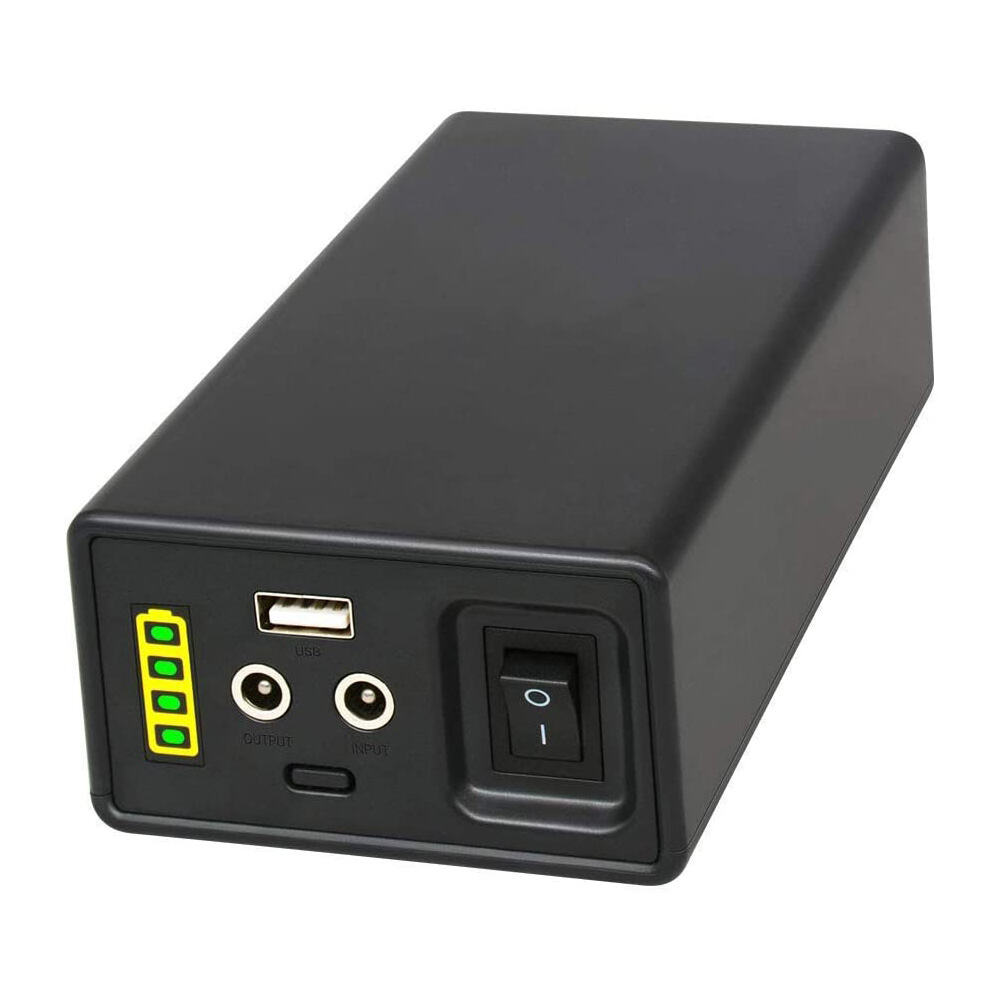
Industrial applications worldwide are experiencing a profound transformation in energy storage technology, with 12V Li-ion battery systems emerging as the preferred power solution across diverse sectors. From material handling equipment and automated guided vehicles to renewable energy installations and mobile industrial machinery, the shift toward lithium-ion technology represents more than just a battery upgrade—it marks a fundamental change in how industries approach operational efficiency, environmental responsibility, and total cost of ownership. Understanding the specific trends propelling this demand provides critical insight for industrial decision-makers evaluating energy storage investments and operational modernization strategies.
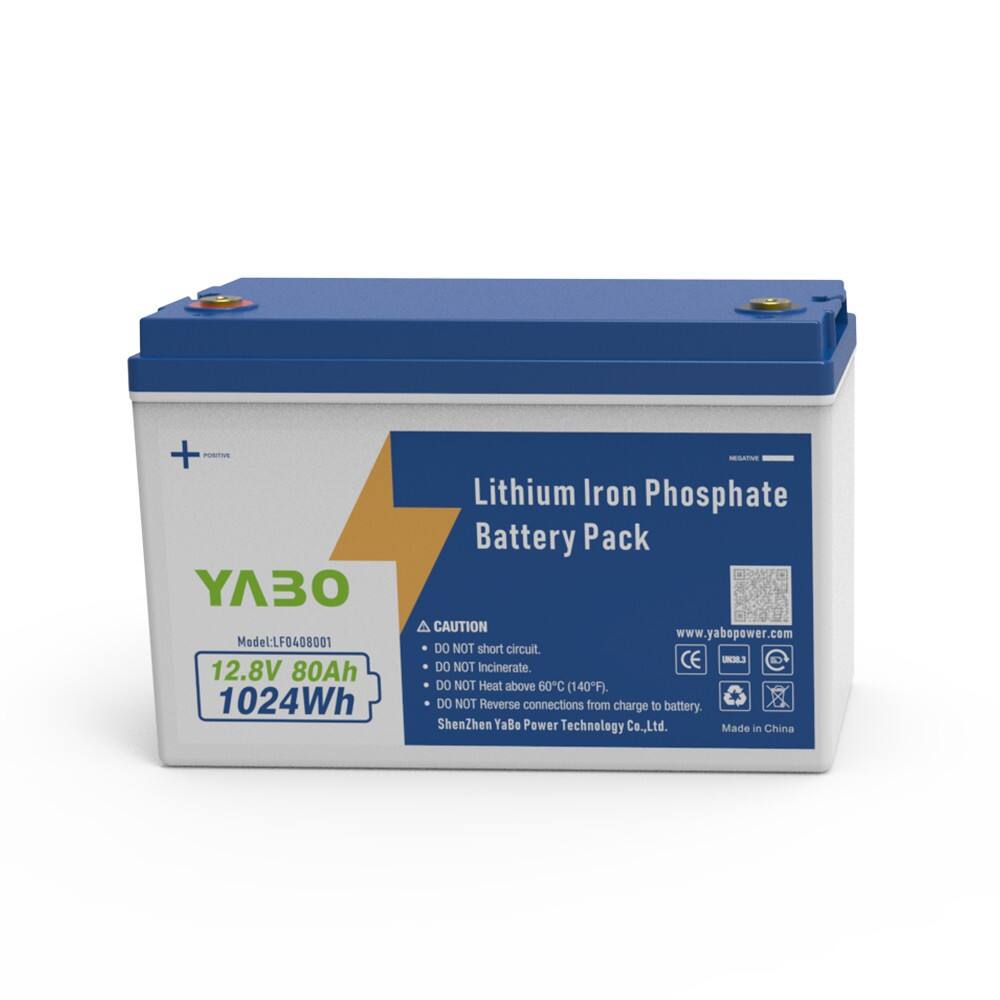
The convergence of regulatory pressures, technological maturation, economic incentives, and operational requirements has created unprecedented momentum for 12V Li-ion battery adoption in industrial environments. Unlike consumer markets where performance features drive purchasing decisions, industrial demand responds to measurable productivity gains, lifecycle cost analysis, safety compliance requirements, and maintenance reduction potential. These trends are not isolated phenomena but interconnected forces reshaping industrial power infrastructure, creating compelling business cases for organizations to transition away from traditional lead-acid systems toward advanced lithium-ion technology that delivers quantifiable operational advantages.
Electrification of Industrial Fleets and Material Handling Equipment
Warehouse Automation and Electric Forklift Expansion
The rapid growth of e-commerce and distribution center automation has accelerated demand for electric material handling equipment, with 12V Li-ion battery technology serving as the enabling power source for continuous-operation warehouses. Traditional lead-acid batteries required lengthy charging cycles and battery room infrastructure, creating operational bottlenecks that lithium-ion solutions eliminate through opportunity charging capabilities. Warehouses operating multiple shifts can now charge forklifts during breaks and shift changes, eliminating the need for battery swapping and dedicated charging rooms that consumed valuable floor space.
Industrial fleet managers report that 12V Li-ion battery systems deliver consistent voltage output throughout discharge cycles, maintaining full equipment performance until depletion rather than the gradual power degradation characteristic of lead-acid technology. This performance consistency translates directly into productivity improvements, as forklifts maintain lifting capacity and travel speeds throughout entire shifts. The elimination of performance degradation reduces operational variability and allows more accurate workflow planning, particularly critical in high-throughput distribution environments where timing precision directly impacts customer service levels and operational costs.
Automated Guided Vehicle Integration Requirements
The proliferation of automated guided vehicles and autonomous mobile robots in manufacturing and logistics facilities has created specific power requirements that 12V Li-ion battery technology uniquely satisfies. AGVs operate continuously in coordinated fleets, requiring power systems that support frequent partial charging without capacity degradation—a capability that lithium-ion chemistry provides through its charge cycle flexibility. These vehicles integrate charging into their operational patterns, docking at charging stations during idle periods to maintain operational readiness without human intervention or scheduled downtime.
Furthermore, the 12V Li-ion battery systems used in AGVs incorporate battery management systems that communicate with vehicle control systems, providing real-time state-of-charge data that enables intelligent fleet management. This integration allows central control systems to optimize vehicle deployment based on battery status, routing vehicles with lower charge states toward charging stations while prioritizing fully charged units for urgent tasks. The data connectivity inherent in modern lithium-ion systems transforms batteries from passive power sources into intelligent components of automated material handling ecosystems.
Sustainability Mandates and Environmental Compliance Pressures
Corporate Carbon Reduction Commitments
Global corporations increasingly establish ambitious carbon neutrality targets, with industrial operations representing significant portions of organizational carbon footprints that require systematic reduction strategies. The transition to 12V Li-ion battery technology supports these commitments through multiple pathways, including elimination of lead-acid battery manufacturing impacts, reduction of facility energy consumption through charging efficiency improvements, and enablement of renewable energy integration. Industrial facility managers recognize that battery technology selection directly influences Scope 2 emissions through charging efficiency differences, with lithium-ion systems converting 95-98% of input energy into stored capacity compared to 70-80% for lead-acid alternatives.
Additionally, lifecycle assessment comparisons demonstrate that despite higher manufacturing energy requirements, 12V Li-ion battery systems deliver lower total environmental impact over operational lifespans due to superior cycle life and energy efficiency. A lithium-ion battery lasting 3,000-5,000 cycles replaces three to five lead-acid batteries over equivalent service periods, reducing manufacturing impact amortization and disposal burden. This lifecycle perspective aligns with corporate sustainability reporting frameworks that evaluate environmental performance across complete product lifecycles rather than isolated manufacturing phases, making lithium-ion adoption a strategic element of credible sustainability programs.
Hazardous Material Handling and Safety Regulation
Regulatory frameworks governing workplace safety and hazardous material management increasingly influence industrial battery selection decisions, with 12V Li-ion battery technology offering compliance advantages over traditional alternatives. Lead-acid batteries contain toxic heavy metals requiring specialized handling, storage, and disposal procedures under environmental regulations such as RCRA in the United States and similar frameworks internationally. The elimination of lead, sulfuric acid, and associated corrosive materials from facility operations reduces regulatory compliance burden, minimizes environmental liability exposure, and simplifies workplace safety protocols.
Industrial facilities adopting lithium-ion technology eliminate hydrogen gas evolution during charging, removing explosion hazard concerns that necessitate ventilation systems and spark-free zones around lead-acid charging areas. This safety improvement allows more flexible battery charging location options within facilities, reducing infrastructure requirements and improving operational efficiency. Occupational health considerations also favor lithium-ion adoption, as workers avoid exposure to sulfuric acid during maintenance procedures and lead contamination risks associated with traditional battery handling, contributing to improved workplace safety metrics and reduced workers' compensation exposure.
Total Cost of Ownership Recognition and Economic Rationalization
Operational Expense Reduction Through Maintenance Elimination
Industrial decision-makers increasingly adopt total cost of ownership analysis frameworks that reveal the economic advantages of 12V Li-ion battery systems despite higher initial acquisition costs. Traditional lead-acid batteries require regular watering, equalization charging, terminal cleaning, and specific gravity testing—maintenance activities consuming labor hours and introducing operational complexity. Lithium-ion technology eliminates these requirements entirely, delivering maintenance-free operation that reduces ongoing labor costs and eliminates consumable expenses for distilled water and cleaning materials.
The labor cost implications extend beyond direct maintenance activities to include reduced downtime for battery changes in multi-shift operations. Facilities using lead-acid batteries in material handling equipment typically maintain battery inventories sufficient for shift changes, with dedicated personnel managing battery swapping procedures. Lithium-ion opportunity charging eliminates battery changing entirely, freeing labor resources for productive activities while reducing battery inventory requirements by approximately 60-70%. These operational efficiency gains accumulate throughout equipment lifecycles, typically offsetting higher initial costs within 18-36 months depending on utilization intensity and labor cost structures.
Energy Cost Optimization and Demand Charge Management
The superior charging efficiency of 12V Li-ion battery technology delivers measurable energy cost reductions that contribute significantly to economic justification, particularly in facilities with high-volume battery charging requirements. Industrial electricity costs include both consumption charges and demand charges based on peak power draw, with traditional lead-acid charging contributing substantially to demand charges through high-current charging requirements and extended charging durations. Lithium-ion systems charge more efficiently and accept higher charge rates, reducing total charging time and enabling more flexible charging schedules that avoid peak demand periods.
Facility energy managers leverage the fast-charging capability of 12V Li-ion battery systems to implement strategic charging schedules aligned with time-of-use electricity rates and demand response programs. Equipment can be charged during off-peak periods with lower electricity rates, and charging can be curtailed during demand response events when utilities offer financial incentives for load reduction. This flexibility transforms battery charging from a fixed operational cost into a manageable variable expense subject to optimization strategies, delivering ongoing economic benefits throughout system lifecycles while supporting grid stability and renewable energy integration objectives.
Technological Maturation and Performance Reliability Validation
Battery Management System Advancement and Integration Capabilities
The evolution of battery management systems represents a critical trend enabling widespread industrial adoption of 12V Li-ion battery technology, transforming lithium-ion from a performance-oriented chemistry into a comprehensive power management platform. Modern BMS technology monitors individual cell voltages, temperatures, and current flows, implementing protective measures that prevent overcharging, over-discharging, and thermal excursions that could compromise safety or longevity. This intelligent monitoring delivers operational confidence in demanding industrial applications where equipment reliability directly impacts productivity and safety outcomes.
Advanced BMS capabilities extend beyond protective functions to provide operational intelligence through data connectivity and predictive analytics. Industrial 12V Li-ion battery systems now communicate with facility management systems, providing real-time performance data, state-of-charge information, and predictive maintenance alerts that enable proactive management strategies. This data integration allows maintenance teams to identify performance degradation patterns before failures occur, schedule replacements during planned downtime, and optimize charging strategies based on actual usage patterns rather than theoretical assumptions, maximizing operational availability while extending battery lifecycles.
Field Performance Validation and Proven Durability
Industrial adoption of any new technology requires field performance validation demonstrating reliability under actual operating conditions, with 12V Li-ion battery systems now accumulating sufficient operational history to satisfy conservative industrial procurement standards. Early adopters in demanding applications such as mining equipment, port handling machinery, and heavy-duty material handling have documented multi-year performance demonstrating that lithium-ion technology meets industrial durability requirements. This operational track record addresses previous concerns about technology maturity, providing risk-averse industrial buyers with confidence in long-term performance and lifecycle cost projections.
Documented case studies from industrial applications demonstrate that 12V Li-ion battery systems routinely achieve 3,000-5,000 deep discharge cycles while maintaining 80% or greater capacity retention, validating manufacturer specifications in real-world conditions. This performance consistency across diverse industrial environments—from refrigerated warehouses to outdoor construction sites—confirms that lithium-ion technology delivers reliable performance across the environmental conditions characteristic of industrial applications. The accumulation of performance data eliminates previous concerns about technology risk, positioning lithium-ion as the mature, proven technology choice for industrial power applications rather than an emerging alternative requiring cautious evaluation.
Supply Chain Resilience and Strategic Sourcing Considerations
Battery Technology Standardization and Component Availability
Industrial procurement strategies increasingly prioritize supply chain resilience and component standardization, with 12V Li-ion battery technology benefiting from manufacturing scale expansion and component ecosystem development. The widespread adoption of lithium-ion chemistry across automotive, consumer electronics, and stationary storage applications has created robust supply chains for cells, battery management components, and manufacturing equipment. This ecosystem maturity translates into improved component availability, competitive pricing driven by manufacturing scale, and reduced supply risk compared to niche battery technologies with limited production volumes.
Furthermore, the standardization of 12V Li-ion battery formats and communication protocols simplifies equipment integration and reduces vendor lock-in risks that concern industrial procurement professionals. Standard form factors allow equipment manufacturers to design systems compatible with batteries from multiple suppliers, creating competitive sourcing options and reducing dependency on single vendors. Communication protocol standardization through initiatives like the Smart Battery Data specification enables interoperability between batteries and charging equipment from different manufacturers, providing procurement flexibility and reducing total cost of ownership through competitive market dynamics.
Domestic Manufacturing Development and Geopolitical Considerations
Geopolitical factors and supply chain security concerns drive industrial interest in 12V Li-ion battery systems manufactured through diversified supply chains with domestic production capacity. Government initiatives in North America, Europe, and other regions promote battery manufacturing localization through tax incentives, grants, and regulatory frameworks designed to reduce dependency on concentrated supply sources. Industrial buyers increasingly evaluate battery procurement through supply chain risk lenses, favoring suppliers with geographically diversified manufacturing and transparent component sourcing that reduces vulnerability to trade disruptions or geopolitical tensions.
These supply chain considerations extend beyond immediate procurement to encompass lifecycle support and end-of-life management. The development of domestic battery recycling infrastructure creates closed-loop supply chains for 12V Li-ion battery materials, addressing both resource security and environmental responsibility objectives. Industrial facility managers recognize that battery technology selection involves long-term supply chain partnerships rather than transactional component purchases, driving preference for suppliers demonstrating supply chain resilience, regional manufacturing presence, and comprehensive lifecycle support capabilities including maintenance, warranty service, and end-of-life recycling programs.
FAQ
What specific cost factors make 12V Li-ion battery systems economically competitive with traditional lead-acid alternatives in industrial applications?
The economic competitiveness of 12V Li-ion battery systems derives from multiple cost factors evaluated across complete ownership lifecycles rather than initial purchase prices alone. Lithium-ion systems eliminate ongoing maintenance labor costs associated with watering, cleaning, and testing lead-acid batteries, typically saving 15-20 labor hours annually per battery in multi-shift operations. Energy efficiency advantages deliver 20-30% reduction in electricity costs for charging, with additional savings from reduced demand charges through faster charging and flexible scheduling capabilities. Extended cycle life providing 3,000-5,000 cycles compared to 500-1,000 for lead-acid batteries reduces replacement frequency and associated disposal costs, while elimination of battery changing in multi-shift operations reduces required battery inventory by 60-70%. When these factors are quantified in total cost of ownership models over typical equipment lifecycles of 7-10 years, lithium-ion systems typically demonstrate 20-40% lower total costs despite higher initial acquisition prices.
How do temperature extremes in industrial environments affect 12V Li-ion battery performance and what mitigation strategies are available?
Temperature extremes present operational considerations for 12V Li-ion battery deployment in industrial applications, though modern systems incorporate design features that maintain performance across typical industrial temperature ranges. Lithium iron phosphate chemistry used in many industrial batteries demonstrates superior thermal stability compared to other lithium-ion chemistries, operating safely across -20°C to 60°C temperature ranges common in warehouses, outdoor equipment, and climate-controlled facilities. Battery management systems monitor cell temperatures continuously and implement protective measures including charge rate reduction at temperature extremes and heating activation in cold conditions to maintain optimal operating temperatures. For extreme environment applications such as cold storage facilities or outdoor equipment in harsh climates, thermal management systems including insulated enclosures, heating elements, and active cooling maintain batteries within optimal temperature ranges, ensuring consistent performance and longevity despite environmental challenges.
What safety certifications and testing standards should industrial buyers require when procuring 12V Li-ion battery systems for facility equipment?
Industrial procurement of 12V Li-ion battery systems should require compliance with established safety standards developed specifically for lithium-ion technology in commercial and industrial applications. UL 2580 certification for battery packs used in electric vehicles and material handling equipment provides comprehensive safety validation including electrical, mechanical, and environmental testing protocols. IEC 62619 certification addresses safety requirements for secondary lithium cells and batteries for industrial applications, covering protection against electrical hazards, mechanical abuse, and thermal events. UN 38.3 certification for lithium battery transportation ensures safe shipping and handling compliance. Industrial buyers should also verify that battery management systems meet functional safety standards such as IEC 61508 for safety-critical electrical systems, ensuring protective functions operate reliably throughout product lifecycles. Reputable industrial battery suppliers provide complete certification documentation and testing reports demonstrating compliance with applicable standards, giving procurement professionals confidence in safety performance and regulatory compliance.
How does the disposal and recycling process for 12V Li-ion batteries compare to lead-acid battery recycling infrastructure already established in industrial facilities?
The recycling infrastructure for 12V Li-ion battery systems continues developing to support growing adoption volumes, though current capabilities differ from the mature lead-acid recycling infrastructure that has existed for decades. Lead-acid battery recycling achieves approximately 99% recovery rates through established processes and extensive collection networks, providing a high standard for comparison. Lithium-ion recycling currently recovers 90-95% of battery materials through pyrometallurgical and hydrometallurgical processes that extract cobalt, nickel, lithium, and other valuable materials for remanufacturing. While fewer recycling facilities currently process lithium-ion batteries compared to lead-acid, rapid infrastructure expansion is occurring driven by regulatory requirements and the economic value of recovered materials. Industrial facilities transitioning to lithium-ion technology should establish relationships with certified battery recyclers offering take-back programs and documentation demonstrating environmentally responsible processing. Many battery suppliers now incorporate end-of-life management into product offerings, providing prepaid recycling services that simplify disposal compliance and ensure proper material recovery.
Table of Contents
- Electrification of Industrial Fleets and Material Handling Equipment
- Sustainability Mandates and Environmental Compliance Pressures
- Total Cost of Ownership Recognition and Economic Rationalization
- Technological Maturation and Performance Reliability Validation
- Supply Chain Resilience and Strategic Sourcing Considerations
-
FAQ
- What specific cost factors make 12V Li-ion battery systems economically competitive with traditional lead-acid alternatives in industrial applications?
- How do temperature extremes in industrial environments affect 12V Li-ion battery performance and what mitigation strategies are available?
- What safety certifications and testing standards should industrial buyers require when procuring 12V Li-ion battery systems for facility equipment?
- How does the disposal and recycling process for 12V Li-ion batteries compare to lead-acid battery recycling infrastructure already established in industrial facilities?