
 EN
EN

Maintenance teams responsible for off-grid solar installations, RV power systems, and marine energy setups face a critical challenge: ensuring that LiFePO4 solar batteries maintain optimal performance throughout their operational lifespan. Unlike traditional lead-acid batteries, lithium iron phosphate batteries demand specific testing protocols that account for their unique electrochemical characteristics, advanced battery management systems, and sensitivity to testing methods. Establishing a regular testing routine prevents unexpected system failures, extends battery service life, and protects significant capital investments in renewable energy infrastructure.
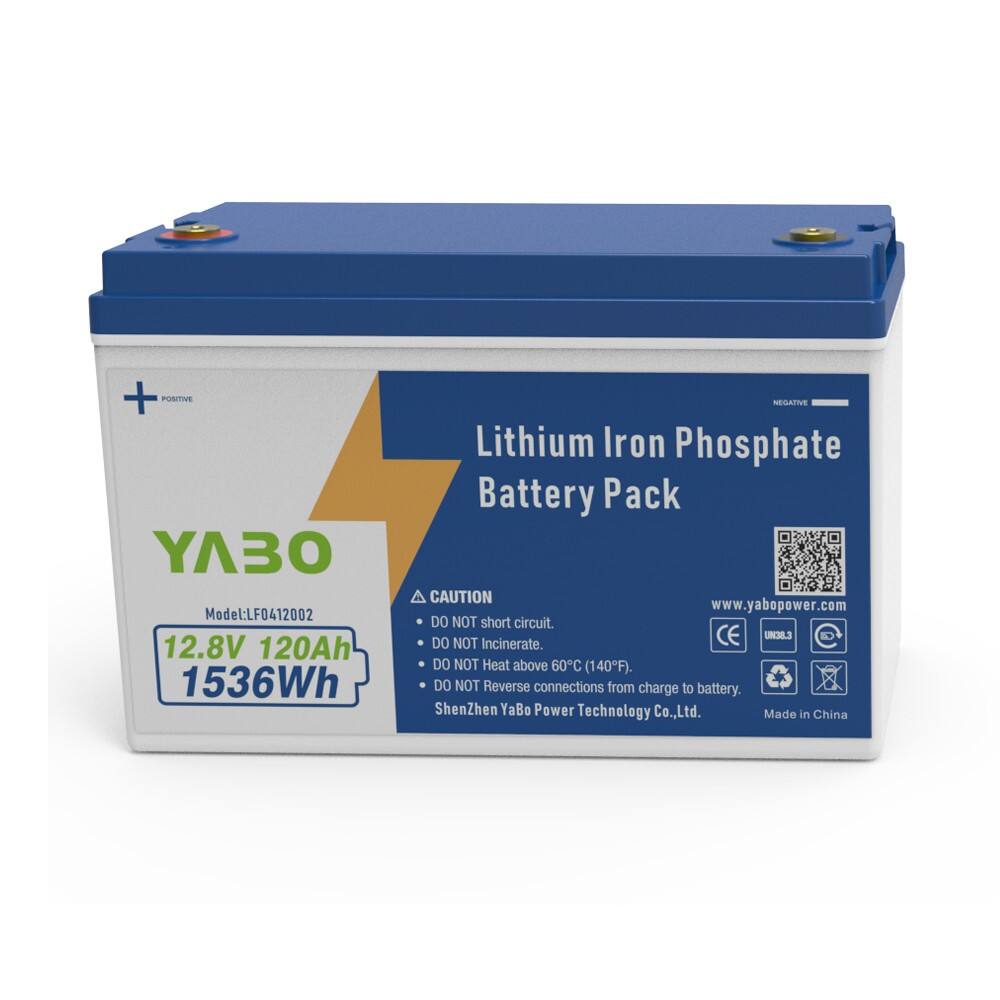
Professional maintenance teams must implement systematic testing procedures that go beyond simple voltage measurements to capture the full operational health of LiFePO4 solar batteries. This comprehensive approach includes capacity verification, internal resistance analysis, cell balance monitoring, and thermal performance assessment. Each testing method provides distinct insights into battery condition, enabling maintenance personnel to detect degradation patterns before they impact system reliability. Understanding how to execute these tests correctly, interpret results accurately, and establish appropriate testing intervals forms the foundation of effective battery maintenance programs for solar energy systems.
Understanding the Essential Testing Parameters for LiFePO4 Solar Batteries
Voltage Measurement as a Foundation Metric
Maintenance teams should begin every testing session with systematic voltage measurements across all cells within LiFePO4 solar batteries. Individual cell voltage provides immediate insight into the state of charge and reveals potential imbalances that compromise overall battery performance. Teams must use calibrated digital multimeters with at least 0.01-volt resolution to measure each cell under both resting conditions and light load. Resting voltage after a minimum four-hour stabilization period offers the most accurate baseline, with healthy cells typically measuring between 3.25 and 3.35 volts when at approximately fifty percent state of charge.
Cell voltage variance represents a critical diagnostic indicator that maintenance teams must monitor consistently. When individual cells within a battery pack show voltage differences exceeding 50 millivolts during resting conditions, this signals developing imbalance issues that will accelerate capacity loss. Teams should document voltage readings for each cell in maintenance logs, tracking trends over time to identify cells experiencing abnormal voltage drift. This longitudinal data enables predictive maintenance strategies that address deteriorating cells before they trigger battery management system shutdowns or damage adjacent cells through excessive current draw during balancing operations.
Terminal voltage under load conditions reveals different performance characteristics that static measurements cannot capture. Maintenance teams should apply a controlled load representing typical system discharge rates while monitoring voltage response. Healthy LiFePO4 solar batteries maintain stable voltage plateaus throughout the discharge curve, with minimal voltage sag until approaching the lower recommended discharge threshold. Excessive voltage drop under moderate loads indicates elevated internal resistance, often caused by electrode degradation, electrolyte decomposition, or poor connection integrity within the battery assembly.
Capacity Testing Through Controlled Discharge Cycles
Accurate capacity verification requires maintenance teams to perform complete discharge cycles under controlled conditions that simulate real-world operating parameters. This process involves fully charging the LiFePO4 solar batteries to the manufacturer's specified voltage limit, allowing a stabilization period, then discharging at a constant current rate until reaching the recommended cutoff voltage. Teams should select discharge rates that match typical system operating conditions, generally between 0.2C and 0.5C for solar applications, where C represents the nominal capacity rating. Recording the total amp-hours delivered during this discharge cycle provides a direct measurement of available capacity.
Professional maintenance protocols establish capacity benchmarks during initial commissioning and track degradation through periodic testing intervals. New LiFePO4 solar batteries typically deliver 95 to 100 percent of their rated capacity, with gradual decline over operational life. When measured capacity falls below 80 percent of the original rating, batteries have reached the conventional end-of-life threshold for most solar applications, though they may continue providing adequate service in less demanding roles. Teams should conduct capacity tests at least annually for critical solar installations, with more frequent testing for batteries operating under extreme temperature conditions or high cycle counts.
Temperature compensation during capacity testing ensures accurate results across varying environmental conditions. LiFePO4 solar batteries exhibit temperature-dependent capacity characteristics, with reduced available energy at low temperatures and slightly enhanced capacity at elevated temperatures within safe operating ranges. Maintenance teams must record ambient temperature during capacity tests and apply manufacturer-specified correction factors when comparing results across different seasons. This temperature-normalized capacity data provides clearer insight into actual battery degradation versus temporary environmental effects that reversibly impact performance.
Internal Resistance Measurement Techniques
Internal resistance serves as a sensitive indicator of battery health that often reveals degradation before capacity measurements show significant decline. Maintenance teams can measure internal resistance using specialized battery analyzers that apply brief current pulses while monitoring voltage response, calculating resistance from the instantaneous voltage change. Alternatively, teams can derive resistance values by measuring voltage under two different load conditions and applying Ohm's law to the differential measurements. Fresh LiFePO4 solar batteries typically exhibit internal resistance below 5 milliohms for 100Ah-class cells, with values gradually increasing as batteries age and electrode interfaces degrade.
Rising internal resistance creates multiple operational concerns that maintenance teams must address proactively. Elevated resistance increases heat generation during charge and discharge cycles, potentially triggering thermal management interventions that reduce system efficiency. Higher resistance also causes greater voltage sag under load, reducing the effective capacity available for demanding applications. When internal resistance measurements exceed 150 percent of the initial baseline values, maintenance teams should investigate potential causes including electrode sulfation, electrolyte depletion, or connection degradation at cell terminals and interconnects.
Consistent measurement conditions ensure meaningful trend analysis across multiple test sessions. Maintenance teams should always measure internal resistance at similar state of charge levels, typically around 50 percent, and at controlled temperatures near room conditions when possible. Resistance values show significant temperature dependence, with lower temperatures causing substantial resistance increases that do not reflect permanent battery degradation. Recording temperature alongside resistance measurements enables proper interpretation of results and prevents false alarms about battery condition based on seasonal temperature variations.
Implementing Cell Balance Monitoring and Management Procedures
Assessing Cell Voltage Balance During Operation
Cell balance monitoring represents a crucial testing procedure that maintenance teams must perform regularly to ensure uniform performance across all cells within LiFePO4 solar batteries. Voltage imbalance develops gradually through manufacturing variations, unequal self-discharge rates, and differential aging patterns among cells connected in series configurations. Teams should measure individual cell voltages during active charging and discharging cycles to identify balance issues that may not appear during resting conditions. Healthy battery packs maintain cell voltage differences below 30 millivolts during active operation, with tighter tolerances indicating superior balance and system integration.
Advanced battery management systems integrated into quality LiFePO4 solar batteries provide real-time balance monitoring capabilities that maintenance teams should leverage during routine inspections. These systems continuously track individual cell voltages and activate balancing circuits when predetermined thresholds are exceeded. Maintenance personnel should review BMS balance logs to identify cells requiring frequent balancing intervention, as this pattern indicates cells with capacity mismatches or elevated self-discharge rates. Persistent balance issues that the BMS cannot correct within normal operating cycles signal the need for deeper investigation or potential cell replacement.
Preventive balance testing should occur at regular intervals aligned with system charge cycles. Maintenance teams operating solar installations with daily charge-discharge patterns should conduct comprehensive balance assessments monthly, while systems with less frequent cycling may extend intervals to quarterly checks. During these assessments, teams should observe cell voltages throughout complete charge cycles, noting the point at which individual cells reach the upper voltage limit and trigger balancing operations. Early limiting by specific cells indicates those cells have lower capacity than others in the series string, requiring balancing current to prevent overcharging while other cells complete charging.
Active Balance Correction Verification
Maintenance teams must verify that active balancing systems within LiFePO4 solar batteries function correctly and achieve their design objectives. This verification involves monitoring the balance current flow during charging cycles and confirming that high-voltage cells transfer energy to lower-voltage cells through the balancing circuitry. Teams can use clamp-on current meters to measure balance currents on individual cell taps, though this requires careful access to internal battery connections that may void warranties or violate safety protocols. Alternative verification approaches include monitoring the time required to achieve full balance and comparing actual balance performance against manufacturer specifications.
Balance circuit capacity limitations sometimes prevent complete voltage equalization within normal charge cycles, particularly when cell voltage differences exceed design thresholds. Maintenance teams encountering persistent imbalance despite active BMS operation should implement extended balance procedures using external balance equipment or dedicated balance charging modes. These procedures typically involve holding the battery pack at the upper voltage limit while allowing balancing circuits extended time to equalize cell voltages, sometimes requiring 24 to 48 hours for severely imbalanced packs. Teams should document balance times and final achieved voltage uniformity to assess whether balance system capacity meets operational requirements.
Thermal monitoring during balance operations provides additional diagnostic information about system health. Balance resistors and active balance circuits generate heat during operation, with excessive temperatures indicating unusually high balance currents driven by severe cell mismatches. Maintenance teams should use thermal imaging cameras to survey battery packs during balance cycles, identifying hot spots that correspond to cells requiring significant balance correction. Consistently elevated balance currents to specific cells suggest those cells have developed capacity deficits or elevated self-discharge that may eventually require cell replacement or pack reconditioning.
Evaluating Self-Discharge Characteristics
Self-discharge testing reveals important information about the internal condition of LiFePO4 solar batteries that other test methods cannot detect. Maintenance teams should fully charge battery packs, disconnect them from all loads and charging sources, then monitor voltage decline over extended periods ranging from one week to one month. Quality LiFePO4 solar batteries exhibit very low self-discharge rates, typically losing less than 3 percent of capacity per month under moderate temperature conditions. Excessive self-discharge indicates internal short circuits, electrolyte contamination, or electrode surface degradation that compromises long-term storage capability and reduces overall battery life expectancy.
Individual cell self-discharge analysis provides more detailed diagnostic information than pack-level measurements alone. Maintenance teams should measure each cell voltage before and after the self-discharge test period, calculating individual cell voltage loss rates. Cells exhibiting significantly higher self-discharge than their series companions indicate localized defects that will progressively worsen and compromise overall battery performance. These problematic cells create continuous balance demands during storage periods and may eventually develop into complete failures if not addressed through replacement or pack reconditioning procedures.
Temperature control during self-discharge testing ensures reproducible results suitable for trend analysis across multiple test cycles. Elevated temperatures accelerate all chemical processes including self-discharge, while low temperatures reduce discharge rates. Maintenance teams should conduct self-discharge tests in temperature-controlled environments maintaining conditions between 20 and 25 degrees Celsius when possible. Recording temperature profiles throughout the test period enables proper interpretation of results and distinguishes between normal temperature-dependent discharge variations and abnormal discharge patterns indicating battery defects requiring corrective action.
Conducting Thermal Performance and Safety Assessments
Temperature Distribution Analysis During Operation
Thermal imaging represents an essential diagnostic tool that maintenance teams should employ regularly when testing LiFePO4 solar batteries under operational conditions. Infrared cameras reveal temperature distribution patterns across battery packs during charging and discharging cycles, identifying cells or connections experiencing abnormal heat generation. Healthy battery packs exhibit uniform temperature profiles with variations below 5 degrees Celsius across the entire assembly. Localized hot spots indicate elevated internal resistance in specific cells, poor connection integrity at terminals or busbars, or imbalanced current distribution resulting from cell capacity mismatches.
Maintenance teams should establish baseline thermal profiles during initial commissioning and compare subsequent thermal scans against these benchmarks. Progressive temperature increases in specific areas signal developing problems that require investigation and remediation. Common thermal anomalies include overheating cell terminals caused by loose connections, elevated cell body temperatures resulting from internal degradation, and hot balance resistors indicating excessive balance current requirements. Each thermal pattern provides specific diagnostic information guiding maintenance personnel toward appropriate corrective actions.
Thermal assessment protocols should include measurements during peak load conditions when temperature differentials become most pronounced. Maintenance teams operating solar installations should conduct thermal imaging during maximum discharge rates typical of evening peak loads or during high-rate charging conditions when solar production exceeds normal levels. These stress conditions reveal thermal management limitations and cell performance variations that may not appear during moderate operating conditions. Documentation of thermal performance under various load levels builds comprehensive understanding of battery system capabilities and identifies operating conditions that approach thermal limits.
Connection Integrity Testing Through Resistance Measurement
Connection resistance at terminals, busbars, and cell interconnects significantly impacts the overall performance of LiFePO4 solar batteries and requires regular verification by maintenance teams. Poor connections create localized heating, reduce system efficiency, and can trigger protective shutdowns when voltage drops exceed BMS thresholds. Teams should use microohm meters or four-wire resistance measurement techniques to assess connection quality at critical points throughout the battery assembly. Individual connection resistance should typically remain below 0.1 milliohms for high-current battery systems, with higher values indicating developing problems requiring immediate attention.
Thermal cycling and mechanical vibration gradually degrade connection integrity in LiFePO4 solar batteries installed in mobile applications or environments with significant temperature variations. Maintenance teams supporting RV installations, marine systems, and off-grid solar arrays in extreme climates should emphasize connection testing during routine inspections. Visual inspection combined with resistance measurement identifies loose terminals, corroded connectors, and damaged busbars before they cause system failures. Torque verification of threaded connections using calibrated torque wrenches ensures terminals maintain manufacturer-specified compression forces that minimize contact resistance.
Systematic connection testing should follow a documented checklist covering all critical points within the battery system. Maintenance teams should assess main positive and negative terminals, series interconnects between cells or modules, balance wire connections, temperature sensor attachments, and busbar joints within multi-battery installations. Recording resistance values at each connection point during every maintenance session enables trend analysis that predicts connection failures before they occur. Rising resistance trends at specific connections trigger preventive retorquing or replacement procedures that maintain system reliability and prevent expensive emergency repairs.
Battery Management System Functionality Verification
The integrated battery management system within LiFePO4 solar batteries performs critical protection and optimization functions that maintenance teams must verify operate correctly. BMS testing protocols should confirm proper operation of all protection features including overvoltage cutoff, undervoltage disconnect, overcurrent limiting, short circuit protection, and thermal management. Teams can verify these functions using controlled test conditions that approach but do not exceed protection thresholds, confirming that the BMS responds appropriately and restores normal operation after fault conditions clear.
Communication interface testing ensures that BMS telemetry data remains accurate and accessible for remote monitoring systems. Maintenance teams should verify that reported parameters including individual cell voltages, current flow, state of charge, and temperature measurements correspond to independent measurements taken with calibrated test equipment. Significant discrepancies between BMS reported values and direct measurements indicate sensor failures, calibration drift, or BMS processor problems requiring manufacturer service intervention. Regular communication testing also confirms that data logging functions operate correctly, preserving historical information essential for long-term performance analysis and warranty claims.
BMS firmware version verification represents an often-overlooked testing procedure that maintenance teams should incorporate into routine inspections. Manufacturers periodically release firmware updates that improve protection algorithms, enhance balance performance, or correct identified software defects. Teams should maintain awareness of current firmware versions for installed LiFePO4 solar batteries and implement updates according to manufacturer recommendations. Documenting BMS firmware versions in maintenance logs supports troubleshooting efforts when unusual behaviors occur and ensures systems benefit from the latest performance optimizations developed by battery manufacturers.
Establishing Optimal Testing Frequencies and Documentation Practices
Defining Risk-Based Testing Intervals
Maintenance teams must establish testing frequencies that appropriately balance thoroughness against operational constraints and resource availability. Critical solar installations supporting essential loads require more frequent testing than recreational vehicle systems used seasonally. High-cycle applications where LiFePO4 solar batteries undergo daily deep discharges warrant monthly comprehensive testing, while low-cycle backup systems may extend intervals to quarterly assessments. Teams should evaluate application criticality, operating environment severity, battery age, and historical performance when defining appropriate testing schedules for each installation under their responsibility.
Seasonal variations in solar system operation influence optimal testing timing throughout the annual cycle. Maintenance teams should conduct comprehensive testing before high-demand seasons when battery performance becomes most critical to system reliability. Solar installations in northern climates require thorough pre-winter testing to ensure batteries can deliver full capacity during reduced daylight periods. Similarly, off-grid systems supporting summer cooling loads need verification testing before hot weather increases electrical demand. Strategic timing of detailed testing procedures ensures batteries operate at peak performance when system requirements reach maximum levels.
Age-based testing frequency adjustments recognize that LiFePO4 solar batteries require closer monitoring as they approach end-of-life conditions. New batteries in their first year of service can often operate reliably with quarterly testing, while batteries in years five through eight of operation benefit from monthly assessments that detect accelerating degradation. Very old batteries exceeding expected service life require even more frequent monitoring to prevent unexpected failures that could damage associated system components or compromise critical loads. Progressive testing intensification as batteries age enables maintenance teams to optimize resource allocation while maintaining appropriate reliability levels.
Comprehensive Documentation and Trend Analysis
Effective testing programs depend on rigorous documentation practices that capture all relevant measurements and observations during each maintenance session. Maintenance teams should develop standardized test report templates that ensure consistent data collection across different personnel and testing occasions. These templates should include fields for all measured parameters including individual cell voltages, internal resistance values, capacity test results, thermal measurements, connection resistance readings, and BMS status indicators. Photographic documentation of battery conditions, thermal images, and connection states provides valuable supplementary information supporting written test records.
Digital documentation systems enable sophisticated trend analysis that manual paper records cannot support effectively. Maintenance teams should implement database-driven maintenance management systems that automatically graph parameter trends over time, flag measurements exceeding predetermined thresholds, and predict future performance based on historical degradation rates. These automated analysis capabilities help maintenance personnel identify subtle degradation patterns that might escape notice when reviewing individual test reports. Predictive analytics derived from comprehensive test data enable proactive battery replacement before failures occur, minimizing system downtime and preventing secondary damage to expensive power conversion equipment.
Maintenance documentation serves critical roles beyond operational decision support, including warranty claim substantiation and regulatory compliance verification. Teams maintaining LiFePO4 solar batteries must preserve complete test records throughout the warranty period and often beyond to document proper care when disputes arise regarding battery failures. Installations subject to insurance requirements or regulatory oversight need documented evidence of appropriate maintenance practices to maintain coverage and certifications. Comprehensive documentation practices protect both maintenance organizations and system owners from liability while supporting optimal long-term battery performance through data-driven maintenance strategies.
Calibration and Equipment Maintenance Requirements
Accurate testing of LiFePO4 solar batteries depends on properly calibrated measurement equipment that maintenance teams must verify and maintain according to established metrological standards. Digital multimeters, battery analyzers, thermal cameras, and current measurement devices all require periodic calibration against certified reference standards to ensure measurement accuracy. Teams should establish annual calibration schedules for all test equipment, with more frequent verification for instruments used in critical measurements or harsh environmental conditions. Calibration records documenting traceability to national measurement standards provide confidence in test results and support quality management system requirements.
Equipment selection significantly impacts testing capability and measurement reliability. Maintenance teams should invest in professional-grade test instruments designed for battery applications rather than general-purpose tools lacking necessary resolution and accuracy. Battery analyzers specifically designed for lithium technologies provide superior performance compared to legacy equipment developed for lead-acid applications. True RMS current meters accurately measure the complex waveforms present in solar charge controllers and inverters, while average-responding meters produce significant errors. Appropriate tool selection ensures testing procedures yield actionable data supporting sound maintenance decisions.
Proper storage and handling of test equipment extends calibration intervals and maintains measurement accuracy. Maintenance teams should protect sensitive instruments from excessive temperature, humidity, shock, and contamination during transport and storage. Battery-powered test equipment requires proper battery maintenance to ensure reliable operation during field testing procedures. Regular function checks using known reference sources help identify equipment drift between formal calibration events, allowing teams to detect problems before they compromise critical test results. Equipment maintenance logs documenting usage, calibration history, and any repairs support quality assurance processes and regulatory compliance requirements.
FAQ
How often should maintenance teams test LiFePO4 solar batteries in typical residential installations?
Maintenance teams should conduct basic voltage and visual inspections quarterly for residential LiFePO4 solar batteries, with comprehensive testing including capacity verification and internal resistance measurement performed annually. Systems experiencing high daily cycle counts or operating in extreme temperature environments benefit from semi-annual comprehensive testing. After the first five years of operation, increasing testing frequency to semi-annual comprehensive assessments helps detect accelerating degradation patterns common as batteries approach their operational life limits. Critical residential systems supporting medical equipment or other essential loads warrant more frequent monthly monitoring to ensure continuous reliability.
What voltage difference between cells indicates a serious balance problem requiring immediate attention?
Maintenance teams should investigate cell voltage differences exceeding 50 millivolts during resting conditions as these indicate developing balance issues in LiFePO4 solar batteries. Voltage differences exceeding 100 millivolts represent serious imbalance requiring immediate corrective action through extended balance charging or potential cell replacement. During active charging or discharging, healthy battery packs should maintain cell voltage differences below 30 millivolts, with larger variations indicating capacity mismatches or connection resistance problems. Teams should track voltage difference trends over time, as progressive increases signal deteriorating balance performance even when absolute values remain within acceptable ranges.
Can maintenance teams safely test LiFePO4 solar batteries while they remain connected to solar panels and loads?
Maintenance teams can safely perform voltage measurements and thermal inspections on LiFePO4 solar batteries while they remain connected to active solar systems, though capacity testing and some resistance measurements require isolation from charging sources and loads. Teams must exercise appropriate electrical safety precautions including proper personal protective equipment and insulated tools when working on energized systems. Complete capacity discharge testing always requires disconnecting batteries from solar charge controllers to prevent charging during the test cycle, which would invalidate capacity measurements. Internal resistance testing methods using brief current pulses can function with batteries in service, while DC load techniques require temporary load disconnection to obtain accurate measurements.
What temperature range should maintenance teams maintain during testing procedures for accurate results?
Maintenance teams should conduct standardized testing of LiFePO4 solar batteries at temperatures between 20 and 25 degrees Celsius whenever possible to ensure consistent results comparable across multiple test sessions. Testing at temperatures below 10 degrees Celsius or above 35 degrees Celsius requires temperature correction factors applied to capacity and resistance measurements to account for temperature-dependent performance characteristics. When environmental conditions prevent testing within optimal temperature ranges, teams must carefully document actual temperatures during all measurements and apply manufacturer-specified correction factors when analyzing results. Thermal performance testing specifically requires operating batteries under actual installation temperature conditions to evaluate real-world performance rather than temperature-normalized laboratory conditions.
Table of Contents
- Understanding the Essential Testing Parameters for LiFePO4 Solar Batteries
- Implementing Cell Balance Monitoring and Management Procedures
- Conducting Thermal Performance and Safety Assessments
- Establishing Optimal Testing Frequencies and Documentation Practices
-
FAQ
- How often should maintenance teams test LiFePO4 solar batteries in typical residential installations?
- What voltage difference between cells indicates a serious balance problem requiring immediate attention?
- Can maintenance teams safely test LiFePO4 solar batteries while they remain connected to solar panels and loads?
- What temperature range should maintenance teams maintain during testing procedures for accurate results?