
 EN
EN
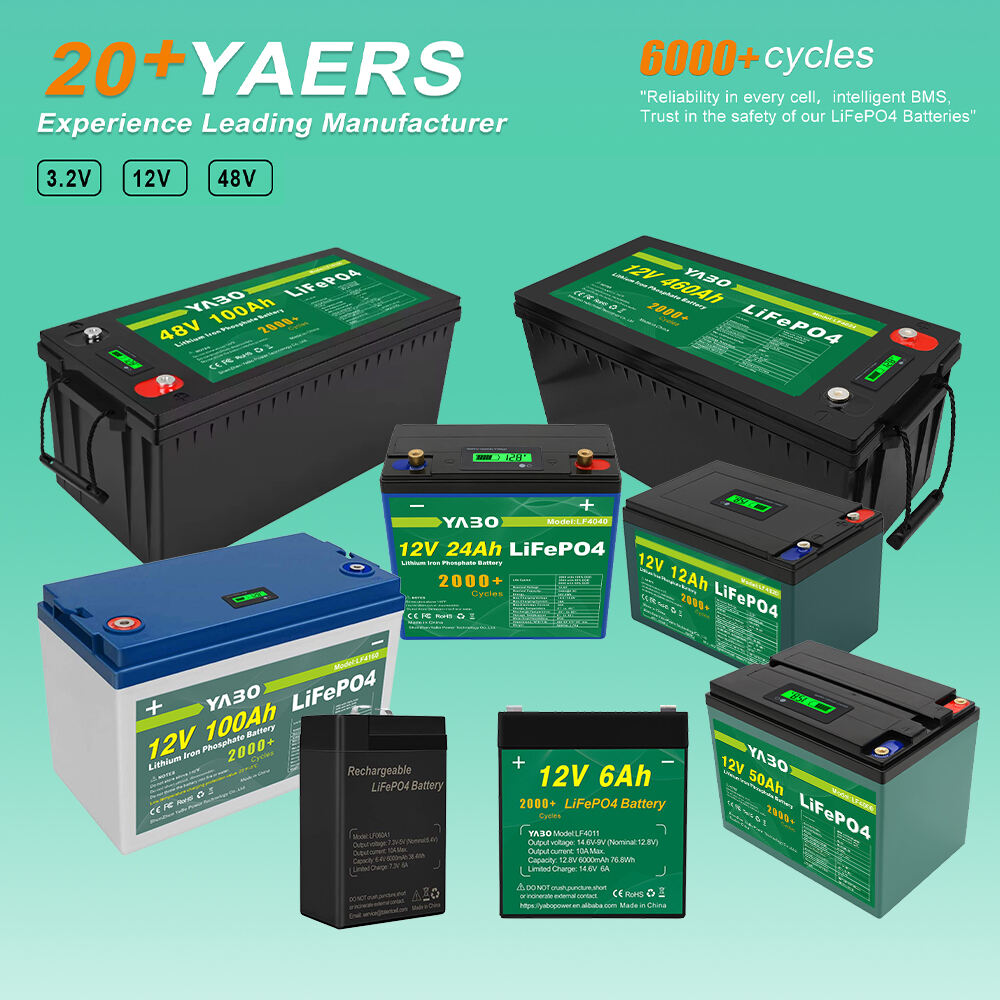
Rural development projects across the globe increasingly turn to off grid power systems as the cornerstone of sustainable infrastructure development. These decentralized energy solutions address fundamental challenges that traditional grid-connected power cannot solve in remote areas, from geographical constraints to economic barriers that have historically left rural communities without reliable electricity access.

The popularity of off grid power systems in rural development stems from their unique ability to deliver immediate energy access without requiring massive infrastructure investments. Unlike conventional power grid extensions that can cost hundreds of thousands of dollars per mile in remote terrain, off grid power systems provide localized energy generation that can be implemented quickly and scaled according to community needs, making them particularly attractive for development organizations and government agencies focused on bridging the rural energy gap.
Economic Advantages Drive Rural Development Adoption
Lower Infrastructure Investment Requirements
Off grid power systems eliminate the substantial capital expenditure associated with traditional grid extension projects in rural areas. Development organizations find that implementing off grid power systems costs significantly less than extending existing electrical grids to remote communities, especially when considering the challenging terrain and long distances typically involved in rural development projects. The modular nature of these systems allows for phased implementation, enabling project managers to start with smaller installations and expand capacity as communities grow or energy demands increase.
The financial viability of off grid power systems becomes even more compelling when factoring in maintenance costs. Rural grid extensions often suffer from frequent outages due to weather damage, wildlife interference, and limited maintenance access, creating ongoing operational expenses that can burden development budgets. In contrast, modern off grid power systems require minimal maintenance while providing consistent energy output, making them financially sustainable for long-term rural development initiatives.
Faster Return on Development Investment
Development projects utilizing off grid power systems typically achieve measurable community impact within months rather than years. The immediate availability of electricity enables rural communities to establish income-generating activities such as small-scale manufacturing, agricultural processing, and service businesses that were previously impossible without reliable power. This rapid economic activation creates a positive feedback loop that justifies continued investment in rural development programs.
The speed of implementation for off grid power systems allows development organizations to demonstrate tangible results to stakeholders and funding bodies more quickly than traditional infrastructure projects. This faster timeline not only improves project credibility but also enables development teams to learn from initial installations and optimize subsequent deployments, creating a cycle of continuous improvement that enhances overall program effectiveness.
Technical Suitability for Remote Geographic Conditions
Resilience Against Environmental Challenges
Rural areas often present harsh environmental conditions that make traditional grid infrastructure vulnerable to frequent failures. Off grid power systems demonstrate superior resilience against weather extremes, from tropical storms that can devastate power lines to dust storms that compromise electrical connections. The distributed nature of these systems means that localized damage does not affect the entire power supply, providing communities with more reliable energy access than centralized grid systems.
The modular design of off grid power systems allows for customization based on specific geographic conditions. Systems deployed in desert regions can incorporate enhanced dust protection and temperature management features, while installations in tropical areas can include humidity resistance and storm-hardened components. This adaptability makes off grid power systems suitable for virtually any rural environment where development projects operate.
Scalability Matching Community Growth Patterns
Rural communities typically experience gradual population growth and evolving energy needs that are difficult to predict during initial development planning. Off grid power systems accommodate this uncertainty through their inherent scalability, allowing additional generation capacity and energy storage to be integrated as communities expand. This flexibility prevents the over-investment or under-capacity problems that often plague traditional infrastructure development projects.
The modular expansion capability of off grid power systems enables development projects to start with basic lighting and communication needs before expanding to support larger appliances, machinery, and industrial applications. This graduated approach allows communities to adapt to electricity access gradually while ensuring that system capacity matches actual usage patterns rather than theoretical projections.
Social Impact Enhancement Through Reliable Energy Access
Educational Opportunity Expansion
Off grid power systems transform educational possibilities in rural communities by enabling extended learning hours, digital literacy programs, and modern teaching tools. Schools powered by these systems can operate computer labs, internet connectivity, and multimedia educational resources that were previously impossible in areas without reliable electricity. The consistent power supply allows students to study after dark and teachers to prepare lessons using digital resources, significantly improving educational outcomes.
The reliable nature of off grid power systems supports distance learning initiatives that connect rural students with educational opportunities in urban centers. Video conferencing, online courses, and digital library access become feasible when communities have dependable electricity, breaking down the geographic barriers that traditionally limited rural educational advancement and creating pathways for economic mobility.
Healthcare Service Improvement
Rural healthcare facilities equipped with off grid power systems can provide services that require consistent electricity, from refrigerated vaccine storage to diagnostic equipment operation. The reliability of these systems is crucial for life-saving medical equipment that cannot tolerate power interruptions, making them essential infrastructure for rural health programs. Medical professionals working in remote areas gain access to telemedicine capabilities, electronic health records, and advanced diagnostic tools that improve patient care quality.
The 24/7 availability of power from off grid power systems enables rural health centers to operate emergency services around the clock, a capability that can be life-saving in communities where the nearest hospital may be hours away. This continuous power availability supports critical care equipment, emergency lighting for night procedures, and communication systems that connect remote health workers with specialist medical consultation services.
Environmental Sustainability Alignment
Renewable Energy Integration Capabilities
Modern off grid power systems excel at incorporating renewable energy sources, making them attractive to development organizations with environmental sustainability mandates. Solar panels, wind turbines, and micro-hydroelectric systems can be seamlessly integrated into off grid configurations, providing clean energy solutions that align with global climate goals while serving rural development objectives. This renewable integration capability allows development projects to demonstrate environmental leadership while addressing energy poverty.
The environmental benefits of renewable-powered off grid power systems extend beyond carbon reduction to include reduced air pollution in rural communities that might otherwise rely on diesel generators or kerosene lighting. The elimination of fuel transportation requirements also reduces the environmental impact associated with delivering fossil fuels to remote locations, creating a comprehensive environmental improvement that supports sustainable development principles.
Reduced Carbon Footprint Compared to Alternatives
Off grid power systems utilizing renewable energy sources produce significantly lower lifetime carbon emissions than diesel generators or kerosene-based lighting systems commonly used in rural areas without grid access. Development organizations increasingly prioritize these systems to meet their own sustainability commitments while providing essential energy services to underserved communities. The long-term environmental benefits justify initial investment costs and align with international development goals.
The carbon reduction achieved through off grid power systems becomes more significant when considering the avoided emissions from prevented grid extension projects. The concrete, steel, and transportation requirements for traditional power line installation generate substantial carbon emissions that are eliminated when communities adopt localized off grid solutions, making these systems environmentally superior even before considering their operational emissions profile.
Implementation Flexibility for Diverse Project Requirements
Customizable System Configurations
Development projects benefit from the configurability of off grid power systems, which can be tailored to specific community needs and usage patterns. Systems can be designed to prioritize essential services like healthcare and education during initial phases, then expanded to support commercial and industrial activities as communities develop. This customization capability ensures that limited development budgets achieve maximum impact by focusing on priority applications first.
The ability to configure off grid power systems for specific applications makes them suitable for diverse rural development scenarios, from agricultural cooperatives requiring irrigation power to small manufacturing enterprises needing consistent industrial electricity. Project managers can design systems that match local economic activities and growth plans, ensuring that energy infrastructure supports rather than constrains community development objectives.
Rapid Deployment Advantages
The speed of deployment for off grid power systems provides significant advantages in rural development contexts where community engagement and visible progress are crucial for project success. Unlike grid extension projects that may take years to complete, off grid power systems can be installed and operational within weeks, providing immediate benefits that build community support and demonstrate development program effectiveness.
This rapid implementation capability enables development organizations to respond quickly to emergency situations or time-sensitive opportunities. When natural disasters damage existing infrastructure or when funding windows create implementation deadlines, off grid power systems can be deployed quickly to restore or establish electricity access, making them valuable tools for both planned development and disaster recovery efforts.
FAQ
What are the main cost benefits of off grid power systems for rural development?
Off grid power systems provide substantial cost advantages through eliminated grid extension expenses, reduced maintenance requirements, and faster implementation timelines. The modular nature allows for phased investment that matches available funding, while the lower ongoing operational costs make these systems financially sustainable for long-term rural development programs. Additionally, the immediate economic activation enabled by reliable electricity access creates community income opportunities that can help offset system costs.
How do off grid power systems handle varying energy demands in rural communities?
Modern off grid power systems incorporate smart energy management and scalable battery storage to accommodate fluctuating power demands throughout the day and across seasons. The systems can be configured with load management capabilities that prioritize essential services during peak demand periods while expanding capacity through additional modules as community energy needs grow. This flexibility ensures consistent power availability while preventing over-investment in unused capacity.
What maintenance requirements do off grid power systems have in remote locations?
Off grid power systems require minimal maintenance compared to traditional grid infrastructure, typically involving periodic cleaning of solar panels, battery performance monitoring, and basic system checks that can be performed by trained community members. Remote monitoring capabilities allow technical support teams to identify potential issues before they become problems, while the modular design enables component replacement without system-wide shutdowns, ensuring continuous power availability for rural communities.
Can off grid power systems support industrial applications in rural development projects?
Yes, properly sized off grid power systems can support various industrial applications including agricultural processing, small-scale manufacturing, and workshop operations that are common in rural development projects. The key is matching system capacity to industrial power requirements and incorporating appropriate energy storage to handle the higher power demands of industrial equipment. Many rural development projects successfully use off grid systems to power grain mills, carpentry shops, and food processing facilities that create local economic opportunities.
Table of Contents
- Economic Advantages Drive Rural Development Adoption
- Technical Suitability for Remote Geographic Conditions
- Social Impact Enhancement Through Reliable Energy Access
- Environmental Sustainability Alignment
- Implementation Flexibility for Diverse Project Requirements
-
FAQ
- What are the main cost benefits of off grid power systems for rural development?
- How do off grid power systems handle varying energy demands in rural communities?
- What maintenance requirements do off grid power systems have in remote locations?
- Can off grid power systems support industrial applications in rural development projects?