
 EN
EN
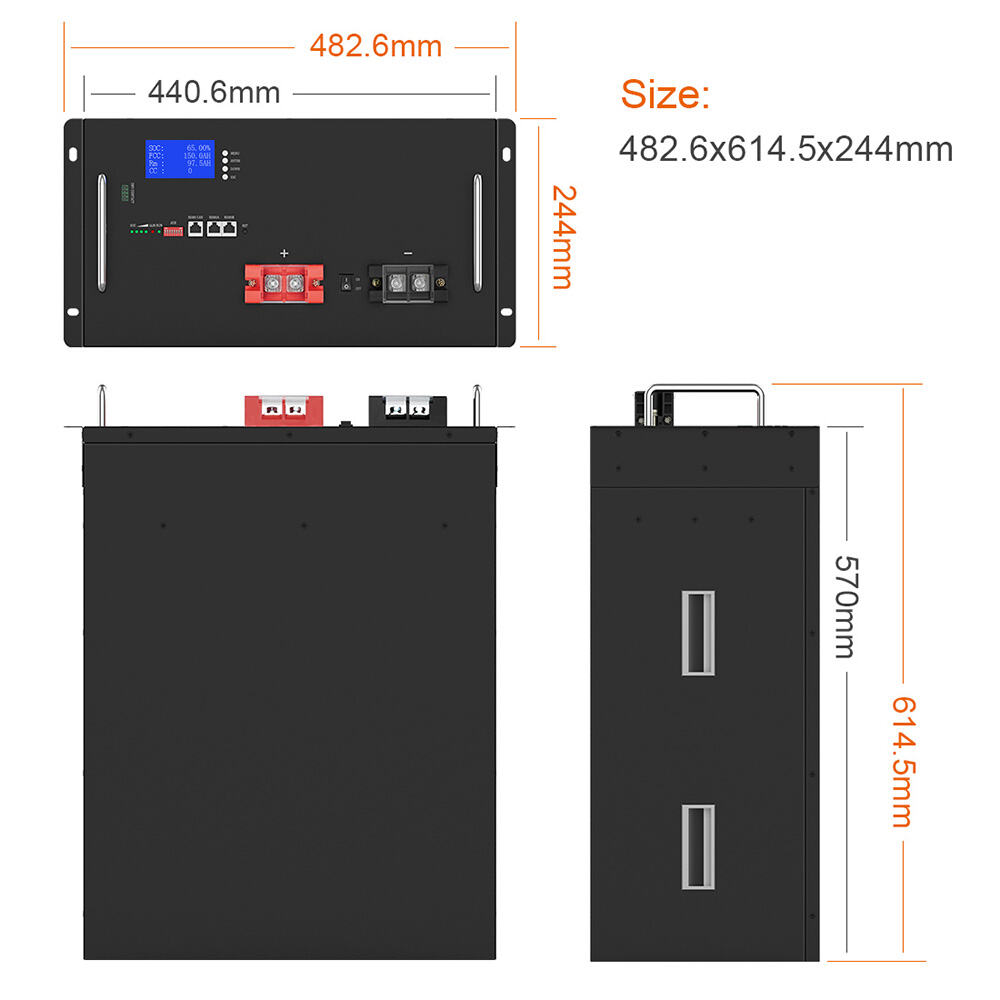
Safety measures in 48V LiFePO4 systems are critical determinants of operational longevity and reliable performance in residential, commercial, and industrial energy storage applications. These battery systems have become the backbone of modern renewable energy installations, backup power solutions, and off-grid applications due to their superior chemistry and inherent stability. However, achieving the advertised 3,000 to 6,000 cycle lifespan requires implementing comprehensive protection strategies that address thermal management, electrical safeguards, mechanical integrity, and environmental control. Without proper safety measures, even the most advanced 48V LiFePO4 systems face accelerated degradation, capacity loss, and potentially catastrophic failure modes that compromise both investment value and operational safety.
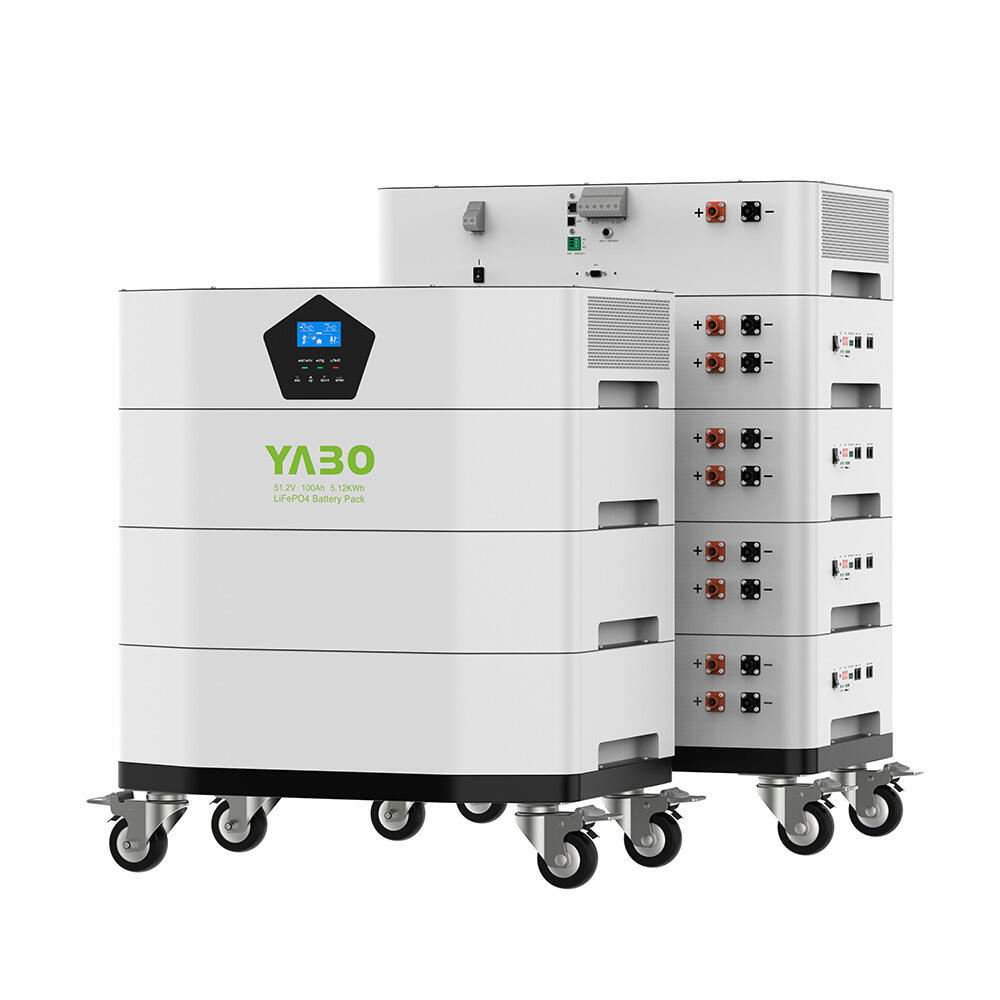
The connection between safety measures and system longevity in 48V LiFePO4 systems extends beyond preventing immediate hazards to establishing conditions that preserve electrochemical integrity over thousands of charge-discharge cycles. Each safety component serves dual purposes: protecting users from electrical and thermal risks while simultaneously preventing the gradual degradation mechanisms that reduce usable capacity and shorten operational life. Understanding which safety measures contribute most significantly to extended lifespan enables system designers, installers, and operators to prioritize investments and maintenance activities that deliver the greatest return in terms of total cost of ownership and reliable energy availability throughout the system's operational horizon.
Battery Management System Architecture for Longevity
Cell-Level Voltage Monitoring and Balancing
Individual cell voltage monitoring represents the foundational safety measure that directly impacts the longevity of 48V LiFePO4 systems. These systems typically contain 15 or 16 cells connected in series, and even minor voltage discrepancies between cells accumulate over hundreds of cycles, eventually leading to overcharge conditions in higher-voltage cells and deep discharge in lower-voltage cells. Advanced battery management systems sample each cell voltage at intervals of 100 to 500 milliseconds, detecting deviations as small as 10 millivolts that signal the need for corrective action before permanent capacity loss occurs.
Active cell balancing technology extends system life by redistributing charge between cells during both charging and resting phases, preventing the weakest cells from becoming the limiting factor for overall pack capacity. Passive balancing dissipates excess energy as heat through resistors, while active balancing transfers charge from higher-voltage cells to lower-voltage cells with efficiency ratings exceeding 90 percent. Systems equipped with sophisticated balancing algorithms maintain cell voltage uniformity within 20 millivolts across the entire pack, which research demonstrates can extend usable capacity retention by 15 to 25 percent over a 10-year operational period compared to systems with basic or absent balancing functions.
Temperature Sensing and Thermal Response
Comprehensive temperature monitoring throughout 48V LiFePO4 systems provides the data foundation for thermal management decisions that preserve electrochemical performance across varying ambient conditions and load profiles. High-quality systems incorporate multiple temperature sensors positioned at strategic locations including individual cell surfaces, inter-cell connection points, busbar junctions, and external terminal assemblies. This distributed sensing network detects thermal gradients that indicate developing problems such as loose connections, internal short circuits, or cooling system inadequacies before they escalate into safety hazards or accelerate aging mechanisms.
The battery management system processes temperature data to implement graduated response protocols that balance immediate operational needs against long-term preservation objectives. When temperatures approach the upper operating threshold of 45 to 50 degrees Celsius, the system progressively reduces charge and discharge current limits, preventing the exponential acceleration of degradation reactions that occur at elevated temperatures. Studies of LiFePO4 chemistry indicate that every 10-degree Celsius increase in average operating temperature can reduce cycle life by 20 to 40 percent, making thermal management arguably the most impactful safety measure for system longevity in installations subject to warm climates or enclosed mounting locations with limited natural ventilation.
Current Limiting and Overcurrent Protection
Precise current control mechanisms in 48V LiFePO4 systems prevent both immediate damage from extreme overcurrent events and cumulative degradation from sustained operation at excessive current densities. The battery management system continuously monitors charge and discharge currents, comparing real-time values against manufacturer-specified limits that typically range from 0.5C to 1C for continuous operation and 2C to 3C for brief surge conditions. When current exceeds programmed thresholds, the system activates semiconductor switches or contactors within milliseconds, interrupting the circuit before lithium plating, separator degradation, or thermal runaway can initiate.
Beyond immediate overcurrent protection, sophisticated systems implement current rate limiting that considers the battery's state of charge, temperature, and historical usage patterns to optimize the balance between performance and longevity. Research demonstrates that reducing charge rates from 1C to 0.5C can extend cycle life by 30 to 50 percent in LiFePO4 chemistry, while limiting discharge rates to 0.8C instead of the maximum rated 1C capability adds 15 to 25 percent to expected operational lifespan. These incremental current reductions have minimal impact on daily operational functionality in most residential and commercial applications but deliver substantial returns in total energy throughput and deferred replacement costs over the system's operational horizon.
Thermal Management Infrastructure
Active Cooling System Design
Active thermal management systems in advanced 48V LiFePO4 systems extend operational life by maintaining optimal temperature ranges regardless of ambient conditions or load intensity. Fan-based cooling solutions represent the most common approach, utilizing temperature-controlled variable-speed fans that activate when battery temperatures exceed predetermined thresholds, typically 35 to 40 degrees Celsius depending on manufacturer specifications and installation environment. These systems create forced airflow paths that remove heat generated during charge-discharge cycles, preventing the localized hot spots that accelerate degradation in specific cells and create the voltage imbalances that reduce overall pack capacity.
More sophisticated installations incorporate liquid cooling systems that circulate temperature-controlled coolant through thermal interface plates attached to cell modules, achieving superior temperature uniformity and management precision compared to air-cooled alternatives. While liquid cooling adds system complexity and initial cost, the resulting temperature control enables higher sustained power levels without compromising longevity and proves especially valuable in applications with limited ventilation, high ambient temperatures, or continuous high-power operation. Installations in telecommunications, commercial backup power, and industrial process applications frequently justify liquid cooling investments through extended service intervals, reduced capacity fade rates, and lower total cost of ownership calculations that span the system's complete operational life.
Passive Thermal Design Considerations
Passive thermal management begins with thoughtful mechanical design that facilitates natural heat dissipation without requiring powered cooling components. Cell spacing within 48V LiFePO4 systems significantly impacts thermal performance, with optimal designs maintaining 3 to 5 millimeters between adjacent cells to allow convective heat transfer to surrounding air. Module enclosures incorporate ventilation openings positioned to encourage natural convection currents that draw cool air across cell surfaces and exhaust heated air without requiring fan assistance under moderate operating conditions, reserving active cooling capacity for high-demand scenarios or elevated ambient temperatures.
Material selection for cell holders, interconnects, and enclosure components influences thermal management effectiveness and system longevity. Aluminum cell holders and mounting structures provide excellent thermal conductivity that helps equalize temperatures across the pack while adding minimal weight compared to steel alternatives. Thermal interface materials between cells and structural components reduce contact resistance that would otherwise create hot spots and temperature gradients. High-quality 48V LiFePO4 systems specify materials and assembly methods that maintain thermal conductivity over thousands of thermal cycles, preventing the degradation of thermal pathways that would progressively reduce heat dissipation effectiveness and accelerate aging in later operational years.
Environmental Temperature Control
Installation environment temperature management represents a critical but often overlooked safety measure that determines whether 48V LiFePO4 systems achieve their rated cycle life or experience premature capacity degradation. Manufacturers specify optimal operating ranges between 0 and 45 degrees Celsius, with ideal performance occurring between 15 and 25 degrees Celsius where electrochemical reaction kinetics balance efficiency against degradation mechanisms. Installations in unconditioned spaces such as garages, equipment rooms, or outdoor enclosures must account for seasonal temperature variations that can push batteries beyond optimal ranges for extended periods, potentially reducing achievable cycle life by 30 to 50 percent compared to climate-controlled installations.
Cold temperature operation presents distinct challenges for 48V LiFePO4 systems, as lithium-ion mobility decreases substantially below 10 degrees Celsius, increasing internal resistance and reducing available capacity. More critically, charging at temperatures below freezing causes lithium plating on anode surfaces, a destructive process that permanently reduces capacity and creates internal short circuit risks. Quality systems incorporate low-temperature charging lockouts that prevent charge current flow until battery temperatures exceed safe thresholds, while optional heating elements warm the battery to acceptable charging temperatures using grid power or recovered waste heat. These measures prevent the immediate damage associated with cold charging while preserving the gradual capacity fade rate that determines whether systems achieve their expected 10 to 15-year operational lifespan in real-world installations.
Electrical Protection Systems
Overvoltage and Undervoltage Prevention
Voltage limit enforcement represents perhaps the most critical electrical safety measure for preserving 48V LiFePO4 systems throughout their operational life, as excursions beyond manufacturer-specified voltage windows trigger irreversible chemical changes that permanently reduce capacity and safety margins. Each LiFePO4 cell tolerates a narrow operating voltage range, typically 2.5 to 3.65 volts per cell, translating to pack voltages between 40 and 58.4 volts for 16-cell configurations. Quality battery management systems monitor total pack voltage and individual cell voltages continuously, implementing multi-tier protection strategies that first reduce charging current as voltages approach upper limits, then fully interrupt charging at absolute maximum voltages to prevent the electrolyte decomposition and gas generation that occur during overcharge conditions.
Undervoltage protection prevents deep discharge conditions that cause copper dissolution from current collectors, separator damage, and permanent capacity loss in LiFePO4 chemistry. The battery management system initiates load disconnection when pack voltage reaches manufacturer-specified minimums, typically 40 to 44 volts depending on system design and cell configuration. Advanced systems implement graduated voltage-based load management that reduces available discharge current as state of charge decreases, extending operational time at reduced power levels rather than abruptly disconnecting loads at fixed voltage thresholds. This approach proves especially valuable in backup power applications where maintaining partial functionality during extended outages preserves critical systems even as battery reserves near depletion, while sophisticated voltage recovery algorithms prevent immediate reconnection attempts that could re-trigger protection circuits and create operational cycling that accelerates degradation.
Short Circuit Protection Architecture
Comprehensive short circuit protection in 48V LiFePO4 systems prevents catastrophic failures while preserving battery integrity through rapid fault detection and current interruption mechanisms. Internal short circuits develop gradually as separator materials degrade or lithium dendrites grow between electrodes, while external shorts result from insulation failures, damaged wiring, or connection errors during installation or maintenance. Quality systems incorporate multiple protection layers including fused links that provide ultimate overcurrent protection, semiconductor switches that interrupt current within microseconds when fault conditions are detected, and mechanical contactors that create physical circuit isolation for maintenance and emergency shutdown scenarios.
The response speed and coordination between protection elements determines whether short circuit events cause localized damage or system-wide failures that require complete battery replacement. Fast-acting battery management systems detect abnormal current rise rates characteristic of short circuits and activate semiconductor switches in less than 10 microseconds, limiting fault energy to levels that preserve cell integrity even during internal short events. Slower mechanical contactors provide backup protection and enable controlled shutdown sequences that preserve system data, maintain communication with external controllers, and facilitate fault diagnosis that informs repair strategies. This layered protection architecture ensures that single-point failures in protection components don't compromise overall system safety while enabling graceful degradation that maintains partial functionality and prevents escalation to thermal events that would threaten installation safety and complete battery replacement requirements.
Ground Fault Detection and Isolation
Ground fault monitoring in 48V LiFePO4 systems identifies insulation degradation before it progresses to safety hazards or triggers protective shutdowns that interrupt operational availability. While 48-volt nominal systems fall below the 60-volt threshold typically requiring ground fault protection in many electrical codes, quality battery systems incorporate insulation monitoring that measures resistance between battery terminals and chassis ground, alerting operators to developing problems when insulation resistance falls below manufacturer-specified thresholds, typically 100 to 500 ohms per volt. This predictive monitoring enables scheduled maintenance interventions that address insulation issues before they escalate to ground faults that trigger protective disconnections or create shock hazards.
The cumulative impact of ground fault protection on system longevity stems from preventing the localized heating and current leakage that accelerates degradation when insulation integrity degrades. Ground faults create parasitic current paths that slowly discharge batteries during standby periods, increasing cycle equivalent throughput and reducing calendar life. More significantly, ground faults can create measurement errors in battery management systems that monitor voltage relative to chassis ground, potentially causing protection systems to misinterpret actual cell voltages and implement inappropriate charging or discharging limits. By maintaining insulation integrity throughout the system's operational life, ground fault monitoring and isolation preserve the accuracy of safety systems and prevent the hidden degradation mechanisms that reduce achievable lifespan in installations without comprehensive electrical monitoring capabilities.
Mechanical Protection and Housing Design
Impact and Vibration Resistance
Mechanical protection systems in 48V LiFePO4 systems preserve internal component integrity against physical stresses that can compromise electrical connections, damage cell structures, or create safety hazards through housing breaches. Cell mounting methods utilize compression frames that maintain consistent pressure on cell stacks throughout temperature cycles and aging-related dimensional changes, preventing the connection loosening that increases resistance and generates localized heating. Quality systems specify compression values between 50 and 150 kilopascals optimized for LiFePO4 pouch and prismatic cell formats, maintaining electrical and thermal contact while avoiding excessive pressure that could damage cell structures or separator materials over extended operational periods.
Vibration isolation proves especially critical in mobile applications and installations subject to external mechanical disturbances such as adjacent machinery, seismic activity, or structural vibrations from building systems. While stationary energy storage applications generally experience minimal vibration, quality 48V LiFePO4 systems incorporate vibration-resistant mounting methods and shock-absorbing materials as insurance against unanticipated mechanical disturbances. Battery management systems with integrated accelerometers can detect abnormal vibration levels and log these events for correlation with performance degradation, enabling predictive maintenance strategies that address mechanical issues before they progress to connection failures or internal damage that shortens operational life or creates safety hazards requiring premature system retirement.
Ingress Protection Standards
Environmental sealing in 48V LiFePO4 systems prevents moisture, dust, and contaminants from degrading electrical connections, corroding components, or creating conductive paths that compromise safety and accelerate aging. Quality systems achieve IP54 or higher ingress protection ratings, effectively excluding dust accumulation while protecting against water splashing from any direction. Installations in outdoor enclosures, marine environments, or industrial settings with elevated contamination exposure should specify IP65 or IP67 ratings that provide complete dust protection and resistance to water jets or temporary immersion, ensuring that environmental exposure doesn't limit system longevity below the battery chemistry's intrinsic capabilities.
The relationship between ingress protection and system longevity extends beyond preventing immediate water or dust damage to maintaining the controlled internal environment necessary for consistent long-term performance. Moisture infiltration accelerates corrosion of electrical connections, increasing resistance that generates heat and reduces efficiency while creating voltage drops that complicate battery management system monitoring and protection functions. Dust accumulation on internal components reduces thermal dissipation effectiveness and can create conductive paths between electrical potentials, increasing self-discharge rates and creating measurement errors in protection systems. By maintaining environmental integrity throughout the operational lifespan, adequate ingress protection ensures that 48V LiFePO4 systems achieve their rated cycle life rather than experiencing premature failures attributable to environmental degradation of components that remain functional in properly sealed installations.
Fire Suppression Integration
Fire detection and suppression capabilities in advanced 48V LiFePO4 systems provide ultimate safety protection while potentially preventing total system loss in the rare event of thermal failures. While LiFePO4 chemistry offers superior thermal stability compared to other lithium-ion chemistries, reducing fire risk substantially below NMC or NCA alternatives, comprehensive safety design acknowledges that protection system failures, physical damage, or manufacturing defects could potentially initiate thermal events. Quality installations incorporate smoke detection that provides early warning of developing thermal problems, enabling manual intervention or controlled system shutdown before temperatures reach ignition thresholds for packaging materials or adjacent combustibles.
Automatic fire suppression systems utilizing aerosol, gaseous, or condensed aerosol agents provide rapid response to thermal events, potentially limiting damage to affected modules rather than allowing propagation throughout entire battery packs. While the substantial cost of integrated suppression systems limits adoption primarily to large commercial and industrial installations, the preservation of expensive battery assets and prevention of collateral property damage often justifies these investments in high-value applications. Even without active suppression, proper 48V LiFePO4 systems incorporate fire-resistant internal compartmentalization that limits thermal propagation between modules, ensuring that single-cell failures don't cascade throughout the entire pack and enabling partial system operation or simplified repairs that preserve investment value and extend overall operational life despite localized component failures.
Communication and Monitoring Infrastructure
Real-Time Performance Data Logging
Comprehensive data logging in 48V LiFePO4 systems enables the predictive maintenance strategies and operational optimization that maximize system longevity through informed decision-making. Advanced battery management systems record detailed operational parameters at intervals ranging from seconds to minutes, capturing voltage, current, temperature, state of charge, and internal resistance data that reveals both immediate conditions and gradual degradation trends. This historical record enables sophisticated analysis techniques that identify developing problems such as cell voltage divergence, capacity fade acceleration, or thermal management inadequacy long before these issues trigger protection events or cause noticeable performance degradation.
The accumulated operational history from 48V LiFePO4 systems informs maintenance scheduling, warranty validation, and end-of-life planning that optimize total cost of ownership and operational availability. Data analysis reveals which environmental conditions, usage patterns, or operational modes most heavily impact aging rates, enabling operators to adjust charging schedules, cycling depths, or thermal management settings to extend service life. Manufacturers utilize aggregated field data to refine protection algorithms, update firmware with improved degradation mitigation strategies, and provide system-specific guidance that helps installations achieve maximum longevity. The predictive capabilities enabled by comprehensive data logging transform battery management from reactive protection against immediate hazards into proactive optimization that systematically maximizes the return on substantial system investments through informed operational decisions and precisely timed maintenance interventions.
Remote Monitoring and Diagnostic Capabilities
Network connectivity in modern 48V LiFePO4 systems extends safety monitoring and diagnostic capabilities beyond local displays to comprehensive remote management platforms that aggregate data from multiple installations, apply advanced analytics, and enable rapid response to developing issues. Cloud-connected monitoring platforms provide immediate alerts when operational parameters deviate from expected ranges, notifying system owners and maintenance providers of conditions that require attention before they progress to protection events or accelerated aging. This remote visibility proves especially valuable for distributed installations at unmanned sites, backup power systems that operate infrequently, or commercial deployments where maintenance personnel lack specialized battery expertise.
The diagnostic capabilities enabled by remote monitoring significantly impact system longevity by reducing the time between problem emergence and corrective action, preventing the cumulative degradation that occurs when marginal conditions persist undetected. Remote diagnostics identify specific failing components such as defective cell modules, malfunctioning sensors, or inadequate cooling systems, enabling targeted repairs rather than exploratory troubleshooting that extends downtime and potentially causes collateral damage through repeated system manipulation. Manufacturers leverage remote monitoring data to provide proactive support, identifying installations exhibiting degradation patterns that warrant preventive interventions and updating battery management software with optimizations developed from aggregated field experience across thousands of deployed 48V LiFePO4 systems operating in diverse applications and environments.
Safety Event Recording and Analysis
Detailed event logging in 48V LiFePO4 systems captures the circumstances surrounding protection activations, providing crucial data for understanding both immediate safety responses and long-term degradation patterns. When battery management systems activate overcurrent protection, temperature limits, or voltage cutoffs, comprehensive event records preserve the sequence of conditions leading to the event, the specific parameters that triggered protection, and the system response that mitigated potential hazards. This granular information enables root cause analysis that distinguishes between appropriate protection system responses to operational anomalies and false triggers resulting from sensor failures or algorithm inadequacies that require system refinement.
The accumulated record of safety events throughout 48V LiFePO4 system operational life informs maintenance strategies and operational adjustments that maximize longevity while maintaining appropriate safety margins. Frequent protection activations indicate underlying problems such as oversized loads, inadequate cooling, or aggressive charging parameters that accelerate aging even when protection prevents immediate damage. Event pattern analysis reveals whether systems operate consistently near protection thresholds, suggesting that specification margins have eroded due to degradation or that initial design assumptions about operational conditions proved inaccurate. By treating safety event data as diagnostic information rather than merely interrupt records, operators transform protection systems from reactive safeguards into proactive monitoring tools that guide the operational decisions and maintenance timing that determine whether 48V LiFePO4 systems achieve their theoretical cycle life or experience premature capacity exhaustion requiring early replacement.
FAQ
What are the most critical safety measures that impact lifespan in 48V LiFePO4 systems?
The most critical safety measures affecting 48V LiFePO4 systems longevity include comprehensive battery management systems with individual cell voltage monitoring and active balancing, precise thermal management that maintains operating temperatures between 15 and 35 degrees Celsius, and strict enforcement of voltage and current limits that prevent overcharge, deep discharge, and excessive current densities. Research indicates that proper thermal management alone can extend cycle life by 30 to 50 percent compared to systems operating at elevated temperatures, while active cell balancing prevents the capacity imbalance that causes premature pack retirement when the weakest cells reach end-of-life while others retain substantial capacity. Combined implementation of these core protection measures enables 48V LiFePO4 systems to achieve their rated 3,000 to 6,000 cycle lifespan in real-world applications rather than experiencing premature failures that compromise investment returns.
How does temperature management specifically extend the operational life of 48V LiFePO4 systems?
Temperature management extends 48V LiFePO4 systems operational life by controlling the electrochemical degradation reactions that occur at accelerated rates as temperatures increase, with studies demonstrating that every 10-degree Celsius elevation in average operating temperature reduces expected cycle life by 20 to 40 percent. Effective thermal management utilizes temperature sensors throughout the battery pack to monitor conditions, active cooling systems such as fans or liquid cooling to remove generated heat, and battery management algorithms that reduce charge and discharge current limits when temperatures approach upper operational thresholds. Beyond preventing immediate thermal damage, consistent temperature control minimizes the formation of solid electrolyte interface layers on electrode surfaces, reduces lithium-ion diffusion limitations, and preserves separator integrity—mechanisms that determine whether systems retain 80 percent capacity after 3,000 cycles or experience accelerated fade requiring replacement after 1,500 to 2,000 cycles depending on thermal stress exposure.
Can 48V LiFePO4 systems with basic battery management achieve the same longevity as systems with advanced protection?
Systems with basic battery management typically achieve only 60 to 75 percent of the cycle life possible with advanced protection features, as fundamental limitations in monitoring resolution, balancing capabilities, and thermal management prevent optimal operation throughout the degradation curve. Basic systems often lack individual cell voltage monitoring, relying instead on pack-level measurements that cannot detect the cell-to-cell voltage divergence that develops over hundreds of cycles and eventually causes premature capacity loss when the weakest cells limit overall pack performance. Without active balancing, passive systems dissipate excess energy as heat rather than redistributing charge efficiently, while limited temperature monitoring provides insufficient data for sophisticated thermal management decisions. The cumulative impact of these limitations manifests as accelerated capacity fade, increased internal resistance growth, and reduced usable energy throughput over the system's operational life, making advanced battery management systems essential for installations where maximizing return on investment and minimizing lifecycle replacement costs justify the incremental hardware costs.
What role do installation practices play in ensuring long life for 48V LiFePO4 systems beyond built-in safety features?
Installation practices critically impact whether 48V LiFePO4 systems achieve their potential longevity, as improper mounting locations, inadequate ventilation, oversized connected loads, and substandard electrical connections can negate even the most sophisticated built-in protection features. Proper installations position batteries in climate-controlled environments whenever possible, avoiding locations subject to temperature extremes, direct sunlight exposure, or restricted airflow that compromise thermal management effectiveness. Electrical connections must use properly sized conductors with high-quality terminations torqued to manufacturer specifications, as loose or undersized connections create resistance that generates heat and voltage drops affecting battery management system monitoring accuracy. Load sizing should maintain typical discharge rates at 0.5C or below to minimize stress, while charging systems must provide voltage and current regulation compatible with battery management system requirements. Regular maintenance inspections verify connection integrity, clean ventilation pathways, update battery management firmware with manufacturer improvements, and monitor degradation trends that inform operational adjustments—practices that collectively determine whether systems achieve 10 to 15-year service lives or require premature replacement after 5 to 7 years despite utilizing equivalent hardware in otherwise similar applications.
Table of Contents
- Battery Management System Architecture for Longevity
- Thermal Management Infrastructure
- Electrical Protection Systems
- Mechanical Protection and Housing Design
- Communication and Monitoring Infrastructure
-
FAQ
- What are the most critical safety measures that impact lifespan in 48V LiFePO4 systems?
- How does temperature management specifically extend the operational life of 48V LiFePO4 systems?
- Can 48V LiFePO4 systems with basic battery management achieve the same longevity as systems with advanced protection?
- What role do installation practices play in ensuring long life for 48V LiFePO4 systems beyond built-in safety features?