
 EN
EN
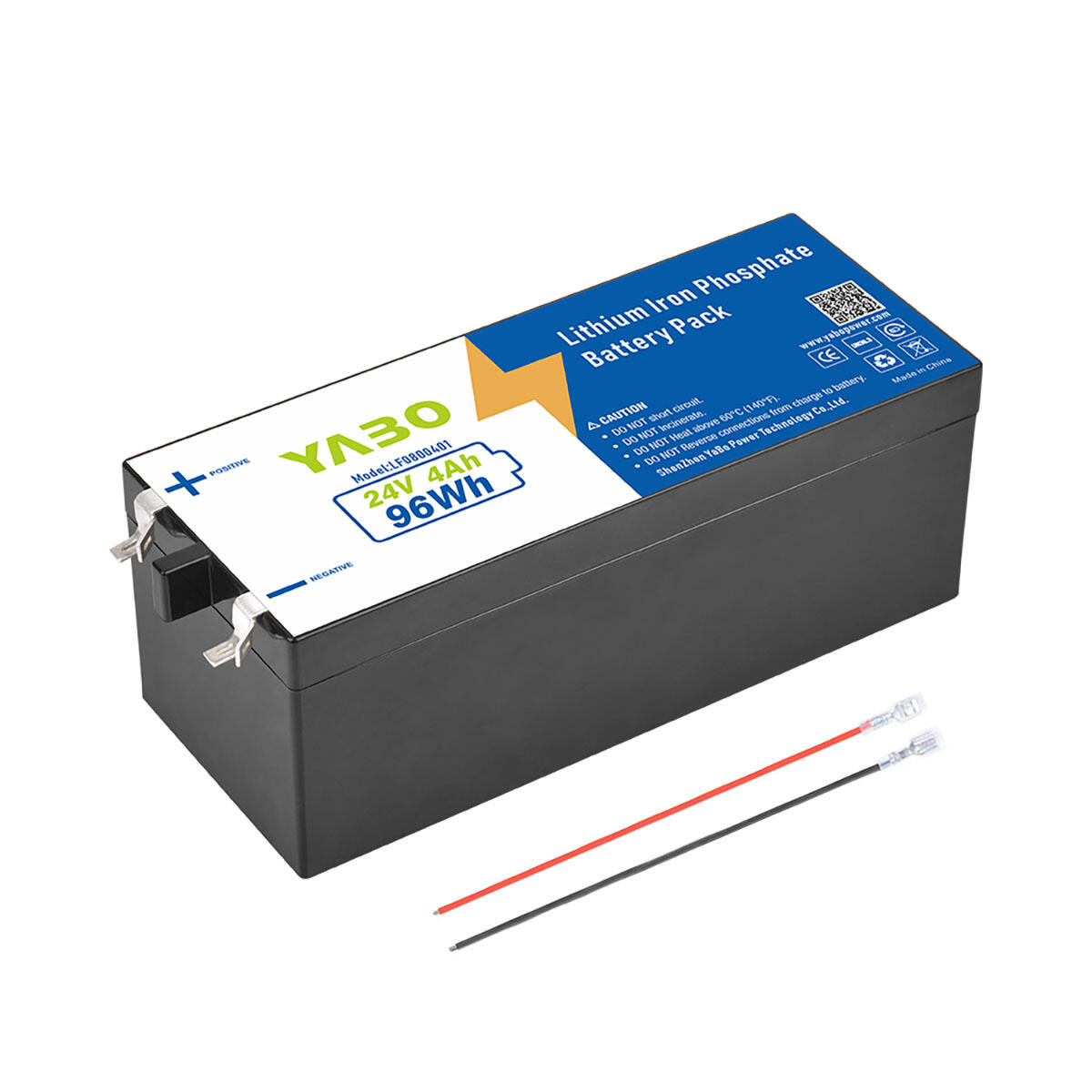
Industrial applications demand reliable, long-lasting energy storage solutions that can withstand harsh operating conditions while delivering consistent performance. LFP Battery Packs have emerged as the preferred choice for industrial users seeking superior safety, longevity, and efficiency compared to traditional lead-acid batteries. These lithium iron phosphate battery systems offer exceptional thermal stability, extended cycle life, and minimal maintenance requirements, making them ideal for critical industrial operations. Understanding the key specifications and features of high-quality LFP Battery Packs enables industrial users to make informed decisions that optimize their operational efficiency and reduce total cost of ownership.
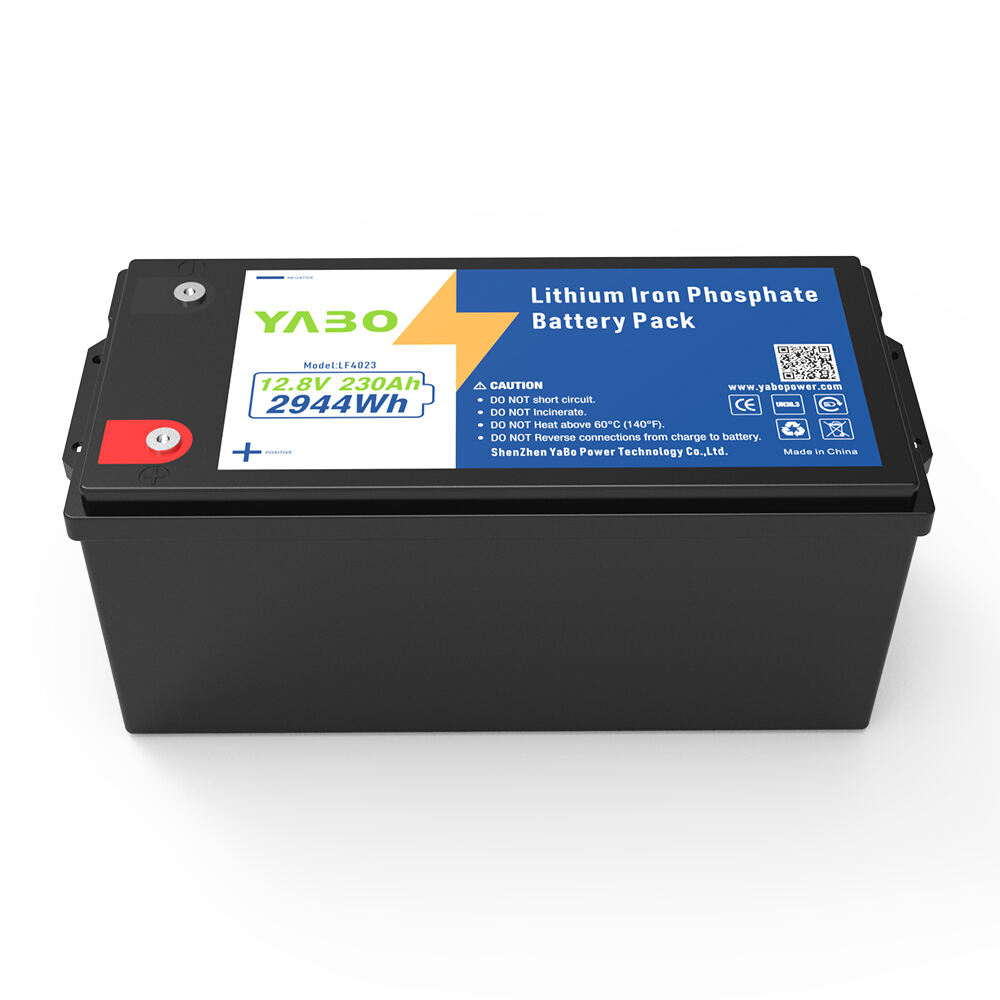
Essential Performance Specifications for Industrial LFP Battery Systems
Capacity and Energy Density Requirements
When evaluating LFP Battery Packs for industrial applications, capacity specifications serve as the foundation for determining system suitability. Industrial users must assess their energy requirements carefully, considering both continuous load demands and peak power needs during startup or emergency operations. High-quality LFP Battery Packs typically offer energy densities ranging from 120-160 Wh/kg, significantly higher than lead-acid alternatives while maintaining compact form factors essential for space-constrained industrial environments.
The rated capacity of LFP Battery Packs should align with operational duration requirements, accounting for safety margins and potential future expansion needs. Industrial facilities often require battery systems capable of supporting critical loads for extended periods during power outages or grid instabilities. Quality manufacturers provide detailed capacity specifications at various discharge rates, enabling users to accurately predict runtime performance under different operational scenarios.
Voltage Stability and Power Output Characteristics
Voltage stability represents a critical performance parameter for industrial LFP Battery Packs, as many industrial systems require consistent voltage levels to operate efficiently. Premium LFP Battery Packs maintain relatively flat discharge curves, delivering stable voltage output throughout the majority of their discharge cycle. This characteristic proves particularly valuable for sensitive electronic equipment and precision industrial machinery that cannot tolerate significant voltage variations during operation.
Power output capabilities determine the suitability of LFP Battery Packs for high-demand industrial applications. Quality battery systems should provide detailed specifications for continuous power output, peak power capabilities, and surge current handling. Industrial users operating equipment with high inrush currents or variable power demands must ensure their selected LFP Battery Packs can accommodate these requirements without voltage sag or performance degradation.
Safety Features and Protection Systems
Built-in Battery Management Systems
Advanced Battery Management Systems represent essential safety features in industrial-grade LFP Battery Packs, providing comprehensive monitoring and protection capabilities. Quality BMS units continuously monitor cell voltages, temperatures, and current flows, automatically implementing protective measures when parameters exceed safe operating limits. These systems prevent overcharging, over-discharging, and thermal runaway conditions that could compromise battery safety or performance in industrial environments.
Industrial users should prioritize LFP Battery Packs equipped with sophisticated BMS technology offering real-time diagnostics and communication capabilities. Modern BMS units provide detailed battery status information through various communication protocols, enabling integration with facility monitoring systems and predictive maintenance programs. This connectivity allows industrial operators to track battery health, optimize charging schedules, and identify potential issues before they impact operations.
Thermal Management and Operating Temperature Range
Thermal management capabilities significantly impact the performance and longevity of LFP Battery Packs in industrial applications. Quality battery systems incorporate effective thermal management designs, including proper cell spacing, heat dissipation materials, and temperature monitoring throughout the pack. Industrial environments often subject batteries to temperature extremes, making robust thermal management essential for maintaining optimal performance and preventing premature degradation.
Operating temperature specifications for LFP Battery Packs should accommodate the environmental conditions present in industrial facilities. Premium battery systems typically operate effectively across temperature ranges from -20°C to +60°C, with some specialized variants designed for extreme temperature applications. Industrial users must verify that their selected LFP Battery Packs can maintain performance specifications throughout their facility's expected temperature variations.
Durability and Cycle Life Considerations
Cycle Life Performance and Warranty Terms
Cycle life specifications represent crucial factors in evaluating the long-term value proposition of LFP Battery Packs for industrial applications. High-quality lithium iron phosphate batteries typically deliver 3,000-5,000+ cycles at 80% depth of discharge, significantly exceeding the cycle life of traditional lead-acid batteries. This extended cycle life translates to reduced replacement costs and lower total cost of ownership over the battery system's operational lifetime.
Warranty terms provided by manufacturers offer insights into the expected durability and reliability of LFP Battery Packs. Reputable manufacturers typically offer warranties ranging from 5-10 years, reflecting confidence in their product quality and performance consistency. Industrial users should carefully review warranty terms, including coverage for capacity retention, cycle life guarantees, and replacement procedures to ensure adequate protection for their investment.
Construction Quality and Environmental Resistance
Construction quality directly impacts the durability and reliability of LFP Battery Packs in demanding industrial environments. Premium battery systems feature robust enclosures designed to withstand vibration, shock, and environmental contaminants commonly present in industrial facilities. High-quality construction materials, including corrosion-resistant terminals and sealed enclosures, ensure reliable operation throughout the battery system's service life.
Environmental resistance specifications should align with the operating conditions present in industrial applications. LFP Battery Packs intended for industrial use should meet appropriate IP ratings for dust and moisture protection, while specialized applications may require additional certifications for explosive atmospheres or marine environments. Quality manufacturers provide detailed environmental specifications and certifications to help industrial users select appropriate battery systems for their specific applications.
Integration and Compatibility Factors
Physical Dimensions and Installation Requirements
Physical compatibility represents a practical consideration when selecting LFP Battery Packs for existing industrial installations. Space constraints in industrial facilities often limit battery system dimensions, making compact designs with high energy density particularly valuable. Quality manufacturers offer LFP Battery Packs in various form factors, including rack-mount configurations and modular designs that facilitate integration into existing infrastructure.
Installation requirements for LFP Battery Packs should accommodate the technical capabilities and safety protocols of industrial maintenance teams. Premium battery systems feature user-friendly connection methods, clear labeling, and comprehensive installation documentation to minimize installation complexity and potential errors. Industrial users should consider systems that support both series and parallel configurations to achieve desired voltage and capacity specifications.
Communication Protocols and Monitoring Integration
Communication capabilities enable seamless integration of LFP Battery Packs into industrial monitoring and control systems. Modern battery systems support various communication protocols, including Modbus, CAN bus, and Ethernet-based interfaces that facilitate real-time monitoring and remote management. This connectivity allows industrial operators to incorporate battery status information into their overall facility management systems.
Advanced monitoring integration capabilities enhance the operational value of LFP Battery Packs in industrial applications. Quality battery systems provide detailed telemetry data, including individual cell voltages, temperatures, current flows, and state of charge information. This comprehensive monitoring enables predictive maintenance strategies, optimized charging protocols, and early detection of potential issues that could impact industrial operations.
Cost-Effectiveness and Total Cost of Ownership
Initial Investment Considerations
While LFP Battery Packs typically require higher initial investments compared to lead-acid alternatives, their superior performance characteristics and extended service life often justify the premium pricing. Industrial users should evaluate the total cost of ownership rather than focusing solely on upfront costs when selecting battery systems. Quality LFP Battery Packs offer significant advantages in energy efficiency, maintenance requirements, and operational reliability that contribute to lower overall costs.
Financing options and volume pricing structures may influence the cost-effectiveness of LFP Battery Packs for large industrial installations. Many manufacturers offer flexible pricing arrangements for bulk purchases or multi-site deployments, helping industrial users achieve better value propositions. Additionally, government incentives and utility rebate programs may offset initial investment costs for energy storage systems in certain regions.
Operational Cost Benefits and Maintenance Savings
Operational cost advantages of LFP Battery Packs extend beyond energy storage capabilities to include significant maintenance savings compared to traditional battery technologies. These battery systems require minimal routine maintenance, eliminating the need for regular electrolyte level checks, terminal cleaning, and ventilation requirements associated with lead-acid batteries. Reduced maintenance requirements translate to lower labor costs and decreased system downtime in industrial operations.
Energy efficiency benefits of LFP Battery Packs contribute to ongoing operational cost savings through reduced charging energy requirements and improved round-trip efficiency. High-quality lithium iron phosphate batteries typically achieve 95%+ round-trip efficiency, compared to 80-85% for lead-acid systems. This improved efficiency reduces electricity costs for industrial facilities with frequent charge-discharge cycles or long-duration backup power requirements.
FAQ
How long do industrial LFP Battery Packs typically last in service
Industrial-grade LFP Battery Packs typically provide 10-15 years of reliable service life when properly maintained and operated within specified parameters. The actual service life depends on factors including depth of discharge, operating temperature, charging protocols, and environmental conditions. Quality LFP Battery Packs can deliver 3,000-5,000+ charge-discharge cycles while maintaining 80% of their original capacity, significantly exceeding the service life of traditional lead-acid batteries.
What safety certifications should industrial users look for in LFP Battery Packs
Industrial users should prioritize LFP Battery Packs certified to relevant safety standards including UL 1973, IEC 62133, and UN 38.3 for transportation safety. Additional certifications such as CE marking for European markets, FCC compliance for systems with communication capabilities, and specific industry standards like UL 924 for emergency lighting applications may be required depending on the intended use. Quality manufacturers provide comprehensive certification documentation to verify compliance with applicable safety standards.
Can LFP Battery Packs operate effectively in extreme temperature conditions
High-quality LFP Battery Packs can operate across wide temperature ranges, typically from -20°C to +60°C, though performance characteristics may vary at temperature extremes. Some specialized variants designed for extreme environment applications can function at temperatures as low as -40°C or as high as +70°C. Industrial users should verify temperature specifications with manufacturers and consider thermal management systems for applications operating consistently at temperature extremes to optimize performance and longevity.
How do LFP Battery Packs compare to other lithium battery chemistries for industrial use
LFP Battery Packs offer superior thermal stability and safety characteristics compared to other lithium chemistries like lithium cobalt oxide or nickel manganese cobalt batteries. While they may have slightly lower energy density than some alternatives, LFP Battery Packs provide excellent cycle life, inherent safety, and stable performance characteristics that make them ideal for industrial applications. The iron phosphate chemistry is non-toxic and environmentally friendly, with minimal risk of thermal runaway even under abuse conditions, making them the preferred choice for safety-critical industrial applications.
Table of Contents
- Essential Performance Specifications for Industrial LFP Battery Systems
- Safety Features and Protection Systems
- Durability and Cycle Life Considerations
- Integration and Compatibility Factors
- Cost-Effectiveness and Total Cost of Ownership
-
FAQ
- How long do industrial LFP Battery Packs typically last in service
- What safety certifications should industrial users look for in LFP Battery Packs
- Can LFP Battery Packs operate effectively in extreme temperature conditions
- How do LFP Battery Packs compare to other lithium battery chemistries for industrial use