
 EN
EN
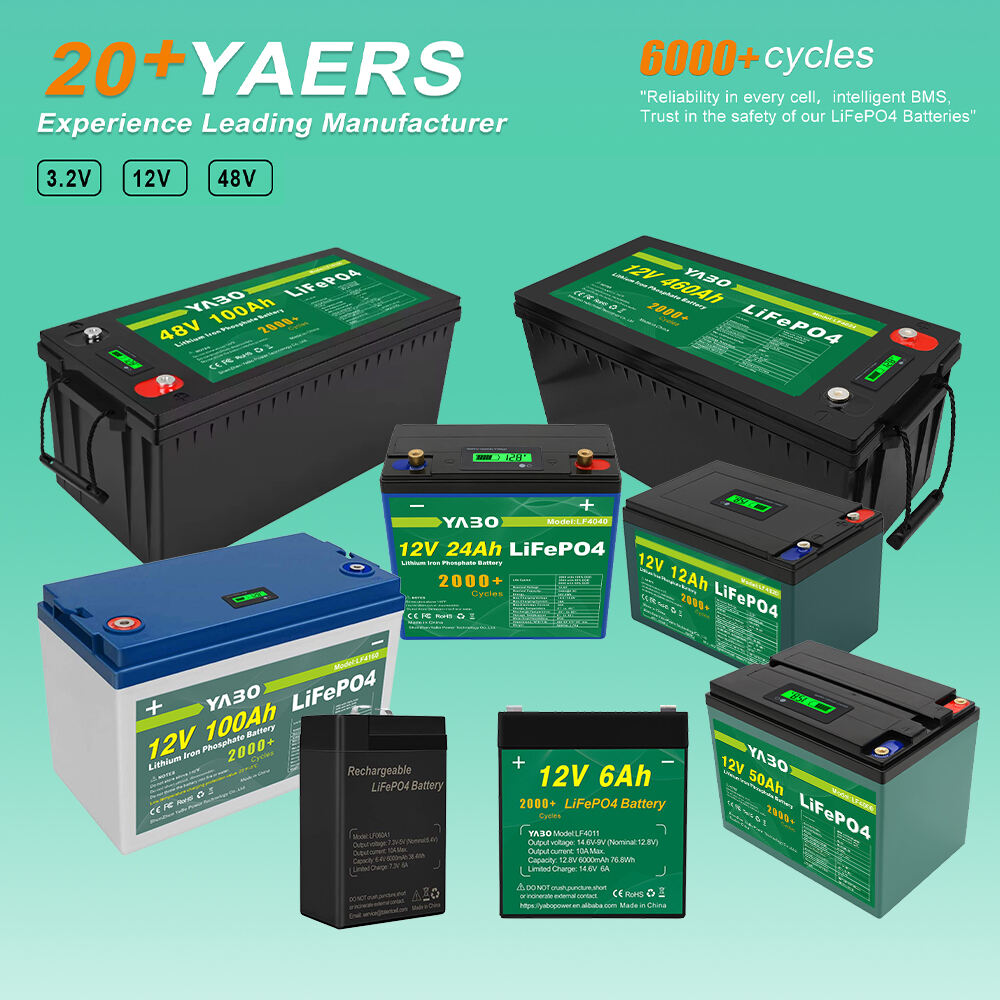
The industrial landscape is experiencing a significant transformation in energy storage solutions, with LiFePO4 battery packs emerging as the leading choice for demanding applications. These lithium iron phosphate batteries are revolutionizing how industries approach power storage, offering unprecedented reliability and performance characteristics that traditional battery technologies simply cannot match. From telecommunications infrastructure to manufacturing facilities, LiFePO4 battery packs are proving their worth in the most challenging industrial environments.
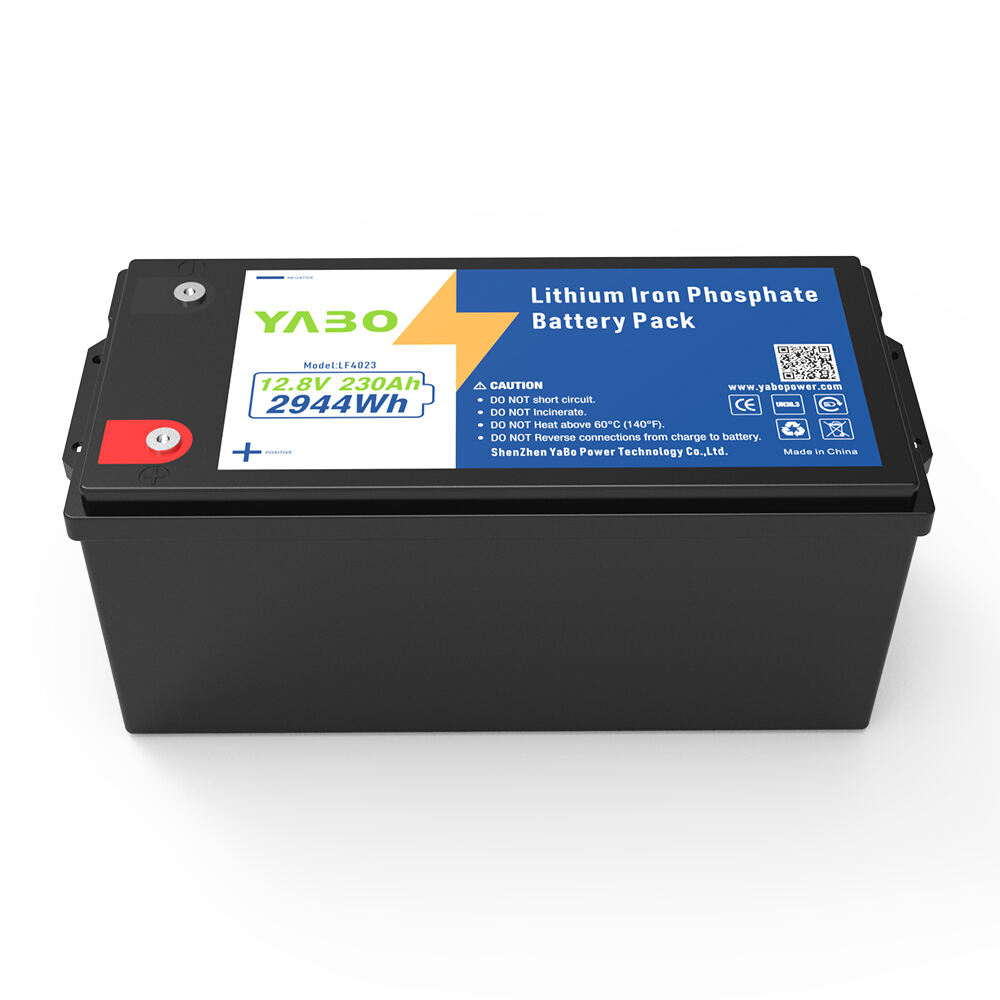
Superior Safety Characteristics of LiFePO4 Technology
Enhanced Thermal Stability
The thermal stability of LiFePO4 battery packs represents a breakthrough in industrial safety standards. Unlike conventional lithium-ion batteries, these systems maintain structural integrity even under extreme temperature conditions. The phosphate-based cathode material demonstrates exceptional resistance to thermal runaway, a critical safety consideration for industrial applications where equipment operates continuously in varying environmental conditions.
Industrial facilities benefit from the inherent stability of LiFePO4 chemistry, which eliminates the risk of catastrophic failure that can occur with other battery technologies. This stability translates directly into reduced insurance costs and enhanced operational safety protocols, making LiFePO4 battery packs an economically sound choice for risk-conscious industrial operators.
Fire Resistance and Chemical Stability
The chemical composition of LiFePO4 battery packs provides natural fire resistance that surpasses traditional battery technologies. The strong phosphate bonds within the cathode material prevent oxygen release during thermal events, significantly reducing fire risk in industrial settings. This characteristic is particularly valuable in facilities handling flammable materials or operating in high-temperature environments.
Manufacturing plants and warehouses implementing LiFePO4 systems report improved safety compliance ratings and reduced fire suppression system requirements. The inherent stability of these battery packs allows for simplified installation procedures and reduced safety infrastructure costs, contributing to overall project economics while maintaining the highest safety standards.
Exceptional Performance in Demanding Industrial Environments
Extended Cycle Life Advantages
Industrial operations demand battery systems capable of withstanding thousands of charge-discharge cycles while maintaining performance integrity. LiFePO4 battery packs deliver exceptional cycle life, typically exceeding 3000 cycles at 80% depth of discharge, far surpassing traditional lead-acid alternatives. This longevity translates into reduced replacement frequency and lower total cost of ownership for industrial applications.
The robust cycle performance of LiFePO4 battery packs ensures consistent power delivery throughout their operational lifetime. Manufacturing facilities utilizing these systems experience minimal performance degradation over extended periods, maintaining production efficiency and reducing unexpected downtime that can result from battery failure in critical applications.
Temperature Resilience and Environmental Adaptability
Industrial environments often subject battery systems to extreme temperature variations, from freezing warehouse conditions to high-heat manufacturing processes. LiFePO4 battery packs demonstrate remarkable temperature resilience, operating effectively across wide temperature ranges without significant capacity loss. This adaptability eliminates the need for expensive climate control systems in many industrial installations.
The temperature stability of these battery systems ensures consistent performance regardless of seasonal variations or process-related temperature fluctuations. Industrial facilities benefit from reliable power availability throughout the year, with LiFePO4 battery packs maintaining their rated capacity and discharge characteristics across varying environmental conditions.
Economic Benefits and Total Cost of Ownership
Reduced Maintenance Requirements
Traditional industrial battery systems require extensive maintenance protocols, including regular electrolyte checks, terminal cleaning, and equalization charging procedures. LiFePO4 battery packs eliminate most maintenance requirements through their sealed, maintenance-free design. This reduction in maintenance needs translates directly into lower operational costs and reduced labor requirements for industrial facilities.
The maintenance-free nature of LiFePO4 systems allows industrial operators to focus resources on core business activities rather than battery maintenance tasks. Facilities report significant cost savings in maintenance labor and materials, while also benefiting from improved system reliability due to reduced human intervention requirements in battery system management.
Energy Efficiency and Power Density
Energy efficiency represents a critical factor in industrial battery selection, directly impacting operational costs and environmental footprint. LiFePO4 battery packs demonstrate superior charge-discharge efficiency compared to traditional alternatives, minimizing energy waste during operation. This efficiency advantage becomes particularly significant in high-usage industrial applications where energy costs represent a substantial operational expense.
The high power density of LiFePO4 systems enables compact installations that maximize available floor space in industrial facilities. Manufacturing plants and warehouses benefit from reduced battery room requirements, allowing more space for productive activities while maintaining necessary backup power capacity for critical operations.
Industrial Applications and Versatility
Telecommunications and Data Center Applications
Telecommunications infrastructure demands reliable, long-lasting power backup systems capable of supporting critical communications equipment. LiFePO4 battery packs excel in these applications, providing consistent power delivery during utility outages while maintaining compact footprints suitable for space-constrained telecom facilities. The technology's ability to handle frequent cycling makes it ideal for areas with unstable grid power.
Data centers worldwide are transitioning to LiFePO4 battery packs for uninterruptible power supply applications. The technology's fast charging capabilities and excellent discharge characteristics ensure rapid recovery from power events while minimizing the risk of data loss or service interruption. These facilities report improved uptime statistics and reduced cooling requirements due to the lower heat generation of LiFePO4 systems.
Manufacturing and Material Handling Equipment
Manufacturing facilities increasingly rely on LiFePO4 battery packs to power material handling equipment, automated guided vehicles, and backup systems for critical production machinery. The technology's ability to deliver high current output makes it suitable for demanding industrial applications requiring substantial power delivery capabilities. Equipment operators benefit from extended runtime and reduced charging downtime.
The consistent voltage output of LiFePO4 systems ensures optimal performance of industrial equipment throughout the discharge cycle. Manufacturing operations report improved equipment efficiency and reduced wear on electric motors and control systems when powered by these advanced battery packs, contributing to overall operational excellence and equipment longevity.
Environmental Impact and Sustainability
Eco-Friendly Chemistry and Recycling
Environmental responsibility drives many industrial organizations toward sustainable technologies, making the eco-friendly nature of LiFePO4 battery packs particularly attractive. The iron phosphate chemistry contains no toxic heavy metals or hazardous materials, significantly reducing environmental impact compared to traditional battery technologies. This characteristic aligns with corporate sustainability goals and environmental compliance requirements.
The recyclable nature of LiFePO4 materials supports circular economy initiatives within industrial organizations. Companies implementing these battery systems can demonstrate measurable environmental improvements while meeting increasingly stringent environmental regulations. The technology's long lifespan also reduces the frequency of battery disposal, further minimizing environmental impact over the system lifecycle.
Reduced Carbon Footprint
Industrial facilities implementing LiFePO4 battery packs often experience reduced carbon footprints through improved energy efficiency and extended equipment lifecycles. The technology's high efficiency minimizes energy waste during charging and discharging cycles, reducing overall electricity consumption. This efficiency improvement translates directly into lower carbon emissions for industrial operations.
The longevity of LiFePO4 systems reduces the manufacturing and transportation impacts associated with frequent battery replacements. Industrial facilities report significant improvements in their sustainability metrics when transitioning from traditional battery technologies to advanced LiFePO4 systems, supporting corporate environmental objectives and regulatory compliance.
Installation and Integration Advantages
Simplified Installation Requirements
The installation process for LiFePO4 battery packs offers significant advantages over traditional industrial battery systems. These units require no special ventilation systems due to their sealed design and absence of gas emissions during normal operation. Industrial facilities benefit from reduced installation costs and simplified permitting processes when implementing LiFePO4 technology.
The lightweight nature of LiFePO4 battery packs reduces structural requirements for industrial installations. Manufacturing facilities and warehouses can install these systems in locations previously unsuitable for heavy lead-acid batteries, providing greater flexibility in facility design and power system placement. This flexibility often results in optimized power distribution and reduced cable costs.
System Scalability and Modularity
Industrial operations often require scalable power solutions that can grow with business needs. LiFePO4 battery packs offer exceptional modularity, allowing facilities to start with basic configurations and expand capacity as requirements increase. This scalability reduces initial capital investment while providing clear upgrade paths for future expansion.
The modular design of LiFePO4 systems enables precise capacity matching for specific industrial applications. Manufacturing plants can configure battery banks to match exact load requirements without over-sizing systems, optimizing both initial costs and ongoing operational efficiency. This precision in capacity planning contributes to improved project economics and system performance.
FAQ
How long do LiFePO4 battery packs typically last in industrial applications?
LiFePO4 battery packs in industrial applications typically provide 8-10 years of reliable service, with many systems exceeding 3000 charge-discharge cycles at 80% depth of discharge. The actual lifespan depends on usage patterns, environmental conditions, and maintenance practices, but most industrial facilities report significantly longer service life compared to traditional battery technologies.
What are the primary safety advantages of LiFePO4 over other lithium battery chemistries?
LiFePO4 battery packs offer superior safety through enhanced thermal stability, fire resistance, and chemical stability. The phosphate-based cathode material prevents thermal runaway and does not release oxygen during thermal events, significantly reducing fire risk. This makes LiFePO4 systems inherently safer for industrial environments where safety is paramount.
Can LiFePO4 battery packs operate effectively in extreme temperature conditions?
Yes, LiFePO4 battery packs demonstrate excellent temperature resilience, operating effectively in temperatures ranging from -20°C to 60°C (-4°F to 140°F) without significant capacity loss. This temperature tolerance makes them suitable for diverse industrial environments, from cold storage facilities to high-temperature manufacturing processes.
How do LiFePO4 battery packs compare economically to traditional lead-acid systems?
While LiFePO4 battery packs have higher initial costs, they provide superior total cost of ownership through extended lifespan, reduced maintenance requirements, higher efficiency, and improved reliability. Industrial facilities typically recover the additional investment within 2-3 years through reduced operational costs and improved productivity from more reliable power systems.
Table of Contents
- Superior Safety Characteristics of LiFePO4 Technology
- Exceptional Performance in Demanding Industrial Environments
- Economic Benefits and Total Cost of Ownership
- Industrial Applications and Versatility
- Environmental Impact and Sustainability
- Installation and Integration Advantages
-
FAQ
- How long do LiFePO4 battery packs typically last in industrial applications?
- What are the primary safety advantages of LiFePO4 over other lithium battery chemistries?
- Can LiFePO4 battery packs operate effectively in extreme temperature conditions?
- How do LiFePO4 battery packs compare economically to traditional lead-acid systems?