
 EN
EN
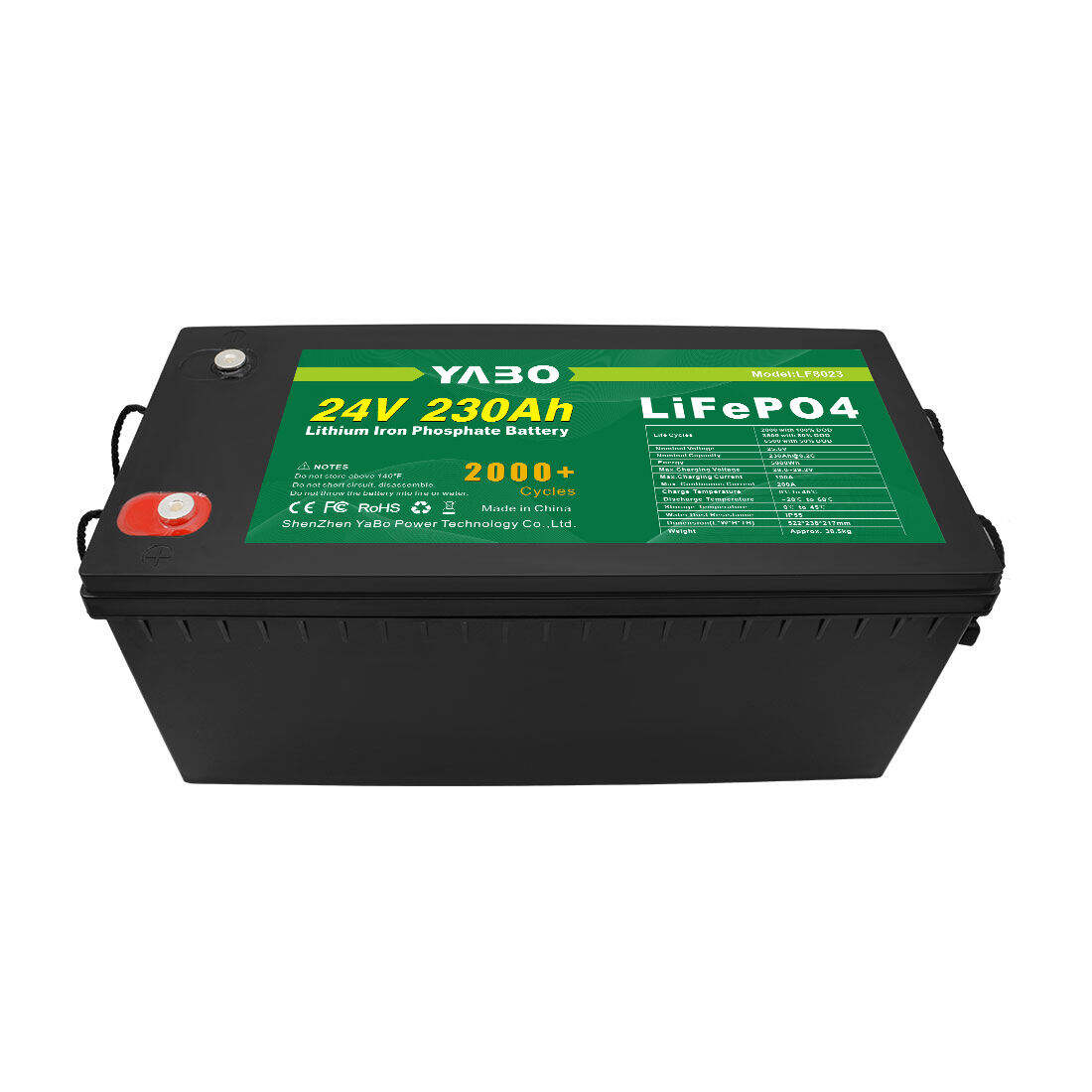
Deep-cycle lithium batteries have revolutionized energy storage across multiple industries, offering superior performance and longevity compared to traditional lead-acid alternatives. Understanding proper charging strategies is crucial for maximizing the operational lifespan of these advanced power systems. Modern applications ranging from renewable energy installations to recreational vehicles increasingly rely on these high-performance batteries. The key to unlocking their full potential lies in implementing scientifically-backed charging protocols that protect the internal chemistry while ensuring optimal energy delivery.
Understanding Lithium Battery Chemistry and Charging Fundamentals
Core Battery Technology Principles
Lithium iron phosphate (LiFePO4) batteries represent the most common type of deep-cycle lithium batteries used in commercial and residential applications. These batteries operate through electrochemical reactions that move lithium ions between cathode and anode materials during charge and discharge cycles. The charging process requires precise voltage and current control to prevent damage to the internal structure. Understanding these fundamental principles enables users to implement charging strategies that preserve battery integrity while maximizing energy storage capacity.
The charging curve for lithium batteries follows a distinct pattern known as constant current-constant voltage (CC-CV) charging. During the initial phase, batteries accept high current rates until reaching approximately 80% state of charge. Subsequently, the charging system transitions to constant voltage mode, gradually reducing current flow as the battery approaches full capacity. This two-phase approach prevents overcharging while ensuring complete energy storage within safe operational parameters.
Temperature Management During Charging
Temperature control represents a critical factor in extending battery lifespan during charging operations. Deep-cycle lithium batteries perform optimally within temperature ranges of 32°F to 113°F (0°C to 45°C) during charging cycles. Extreme temperatures can accelerate chemical degradation processes that reduce overall battery capacity over time. Implementing temperature monitoring systems and thermal management strategies protects batteries from environmental stress while maintaining consistent charging performance.
Cold weather charging requires special consideration as low temperatures reduce battery acceptance rates and can cause permanent damage if aggressive charging profiles are maintained. Battery management systems should incorporate temperature compensation algorithms that adjust charging parameters based on ambient conditions. Conversely, high-temperature environments may require active cooling systems or reduced charging rates to prevent thermal runaway conditions that could compromise battery safety and longevity.
Optimal Charging Voltage and Current Parameters
Voltage Regulation Strategies
Proper voltage regulation forms the foundation of effective charging strategies for deep-cycle lithium batteries. The recommended charging voltage for LiFePO4 batteries typically ranges from 14.2V to 14.6V for 12V systems, with variations depending on manufacturer specifications and operating conditions. Maintaining voltage within these parameters prevents overcharging damage while ensuring complete capacity utilization. Advanced battery management systems monitor cell voltages individually to detect imbalances that could reduce overall pack performance.
Absorption voltage settings require careful calibration to balance charging speed with battery longevity. Higher absorption voltages can reduce charging time but may accelerate aging processes if maintained for extended periods. Many modern charging systems implement adaptive algorithms that adjust absorption voltage based on battery temperature, age, and historical performance data. These intelligent systems optimize charging efficiency while protecting against conditions that could compromise battery health.
Current Limiting and C-Rate Management
Current regulation plays an equally important role in maximizing battery lifespan through appropriate C-rate management. The C-rate represents the charging current relative to battery capacity, with 1C indicating a current equal to the battery's amp-hour rating. Most deep-cycle lithium batteries can safely accept charging currents up to 0.5C to 1C, though conservative approaches using 0.2C to 0.3C rates often extend operational lifespan significantly.
High charging currents generate internal heat and mechanical stress that can degrade battery components over repeated cycles. Implementing current limiting protocols that gradually reduce charging rates as batteries age helps maintain consistent performance throughout their operational lifetime. Smart charging systems can monitor internal resistance changes that indicate aging and automatically adjust current parameters to compensate for reduced capacity acceptance rates.
Advanced Charging Algorithms and Battery Management
Multi-Stage Charging Protocols
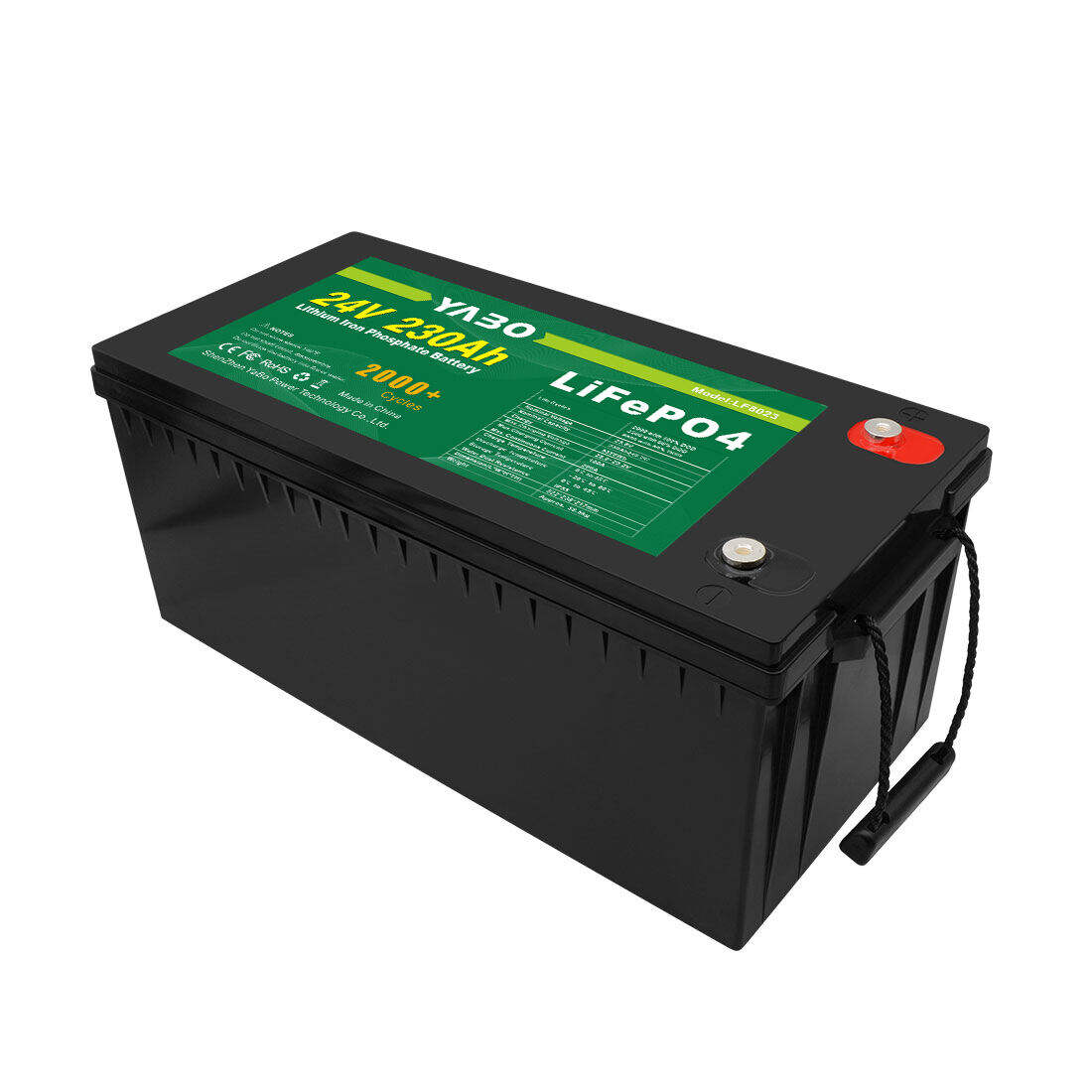
Multi-stage charging algorithms provide sophisticated control over the entire charging process, optimizing each phase for maximum efficiency and longevity. The bulk charging stage delivers maximum safe current until batteries reach approximately 80% capacity, minimizing charging time while respecting thermal and electrical limits. The absorption stage maintains constant voltage while current gradually decreases, ensuring complete charging without overloading battery systems. Finally, float charging maintains batteries at full capacity using minimal current to compensate for self-discharge losses.
Advanced algorithms incorporate additional stages such as equalization and maintenance modes that address specific battery requirements. Equalization charging periodically balances individual cell voltages within battery packs, preventing capacity imbalances that could reduce overall performance. Maintenance charging protocols activate during extended storage periods, periodically cycling batteries to prevent degradation associated with prolonged inactivity. These sophisticated approaches maximize battery utilization while protecting against common failure modes.
Smart Battery Management Integration
Modern battery management systems (BMS) integrate multiple sensors and control algorithms to optimize charging performance automatically. These systems monitor individual cell voltages, temperatures, and current flows to detect potential issues before they cause permanent damage. Advanced BMS units communicate with charging equipment to implement dynamic charging profiles that adapt to changing battery conditions and environmental factors. This integration eliminates human error while ensuring consistent application of optimal charging strategies.
Wireless monitoring capabilities enable remote oversight of charging operations, allowing users to track battery performance and adjust parameters as needed. Data logging functions provide historical information that helps identify trends and optimize charging strategies over time. Some systems incorporate machine learning algorithms that continuously improve charging efficiency based on actual usage patterns and battery response characteristics.
Environmental Considerations and Installation Best Practices
Ventilation and Thermal Management
Proper ventilation systems play a crucial role in maintaining optimal charging conditions for deep-cycle lithium batteries. While these batteries produce minimal gas emissions compared to lead-acid alternatives, heat generation during charging requires adequate airflow to maintain safe operating temperatures. Installation locations should provide natural convection paths or forced-air circulation to prevent heat accumulation that could accelerate aging processes or trigger protective shutdowns.
Thermal insulation considerations vary depending on climate conditions and installation environments. Cold climate installations may benefit from insulation that retains charging heat, while hot climate applications require enhanced heat dissipation capabilities. Battery enclosures should incorporate temperature monitoring and active thermal management systems when operating in extreme environmental conditions. These measures ensure consistent charging performance regardless of seasonal temperature variations.
Electrical System Integration
Electrical system design significantly impacts charging efficiency and battery longevity through proper component selection and installation practices. Wire sizing must accommodate maximum charging currents without excessive voltage drop that could affect charging performance. Connection quality becomes critical as poor contacts create resistance that generates heat and reduces charging efficiency. Regular inspection and maintenance of electrical connections ensures optimal power transfer throughout the battery's operational lifetime.
Grounding systems require special attention in lithium battery installations to prevent ground loops and electrical noise that could interfere with battery management systems. Proper isolation between charging equipment and loads prevents feedback that could disrupt charging algorithms or cause unexpected system behavior. Professional installation following manufacturer guidelines and local electrical codes ensures safe and reliable operation while protecting warranty coverage.
Maintenance Protocols and Performance Optimization
Regular Monitoring and Diagnostics
Systematic monitoring protocols enable early detection of issues that could compromise battery performance or safety. Regular capacity testing reveals gradual degradation trends that indicate when charging strategies should be adjusted or batteries require replacement. Voltage measurements across individual cells within battery packs identify imbalances that could reduce overall system efficiency. Documentation of these measurements creates historical records that support predictive maintenance strategies.
Internal resistance testing provides insights into battery health that complement capacity measurements. Increasing resistance indicates aging processes that affect charging acceptance rates and overall performance. Advanced diagnostic equipment can perform automated testing sequences that generate comprehensive battery health reports. These tools enable proactive maintenance decisions that maximize operational lifespan while preventing unexpected failures.
Preventive Maintenance Strategies
Preventive maintenance programs extend battery lifespan through systematic care and attention to operational details. Regular cleaning of battery terminals and connections prevents corrosion that could affect charging efficiency. Torque verification ensures mechanical connections remain secure despite thermal cycling and vibration exposure. Environmental monitoring identifies conditions that could accelerate aging processes, enabling proactive corrective measures.
Software updates for battery management systems and charging equipment incorporate improvements and bug fixes that enhance performance and safety. Regular calibration of monitoring equipment ensures accurate measurements that support effective maintenance decisions. Documentation of maintenance activities creates records that support warranty claims and help identify recurring issues that might indicate systematic problems requiring attention.
FAQ
What is the optimal charging rate for deep-cycle lithium batteries?
The optimal charging rate for most deep-cycle lithium batteries ranges from 0.2C to 0.5C, where C represents the battery's amp-hour capacity. For example, a 100Ah battery should ideally be charged at 20-50 amps. Lower charging rates around 0.2C maximize battery lifespan by reducing heat generation and internal stress, while rates up to 0.5C provide faster charging when time constraints exist. Always consult manufacturer specifications as some batteries can safely accept higher rates up to 1C.
How does temperature affect lithium battery charging performance?
Temperature significantly impacts charging efficiency and battery longevity. Optimal charging occurs between 32°F and 113°F (0°C to 45°C). Cold temperatures below freezing can cause permanent damage if normal charging rates are maintained, requiring reduced current or pre-warming systems. High temperatures above 113°F accelerate aging processes and may trigger protective shutdowns. Modern battery management systems include temperature compensation to automatically adjust charging parameters based on ambient conditions.
Should deep-cycle lithium batteries be charged to 100% capacity regularly?
Deep-cycle lithium batteries can be safely charged to 100% capacity without the memory effect issues associated with other battery chemistries. However, maintaining charge levels between 20% and 80% can extend overall lifespan by reducing stress on battery components. For applications requiring maximum capacity, occasional full charging cycles help balance individual cells within battery packs. Many users implement partial charging strategies for daily use while performing full charging monthly for system maintenance.
What are the signs that charging strategies need adjustment?
Several indicators suggest charging strategy modifications may be necessary: reduced runtime between charges, longer charging times to reach full capacity, unusual heating during charging, or individual cell voltage imbalances exceeding manufacturer specifications. Capacity testing showing more than 20% degradation from original specifications indicates aging that may require gentler charging approaches. Battery management system alerts or fault codes also signal potential issues requiring attention to charging parameters or maintenance procedures.