
 EN
EN
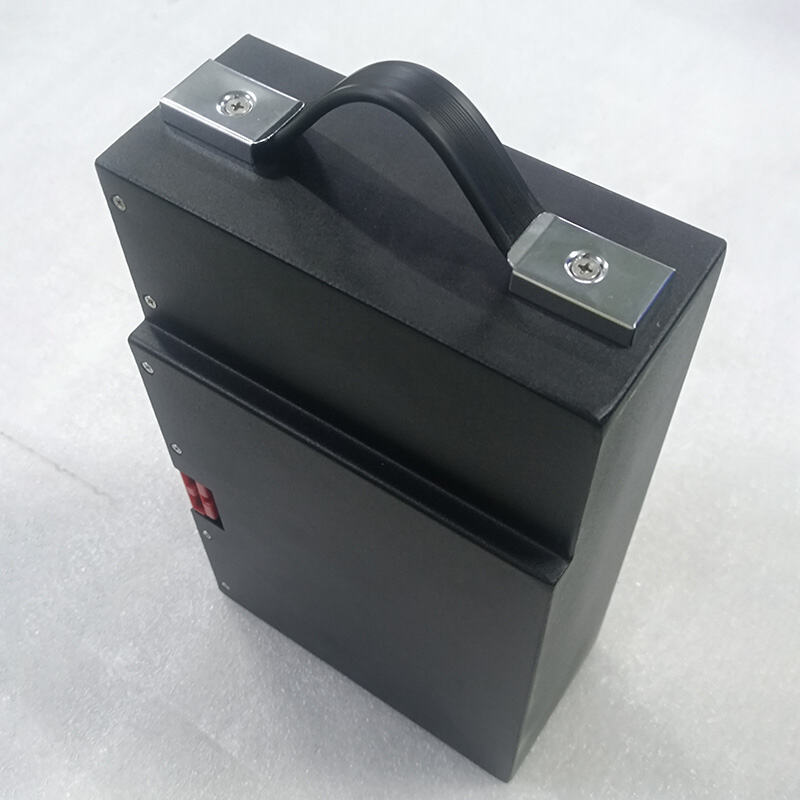
Commercial facilities across industries are making a decisive shift toward advanced energy storage battery systems as a core component of their power infrastructure. This preference is not driven by trend alone — it reflects a calculated response to rising energy costs, grid instability, sustainability mandates, and the growing complexity of commercial power demands. Facility managers, operations directors, and energy procurement teams are increasingly recognizing that relying solely on the utility grid is no longer a viable long-term strategy.
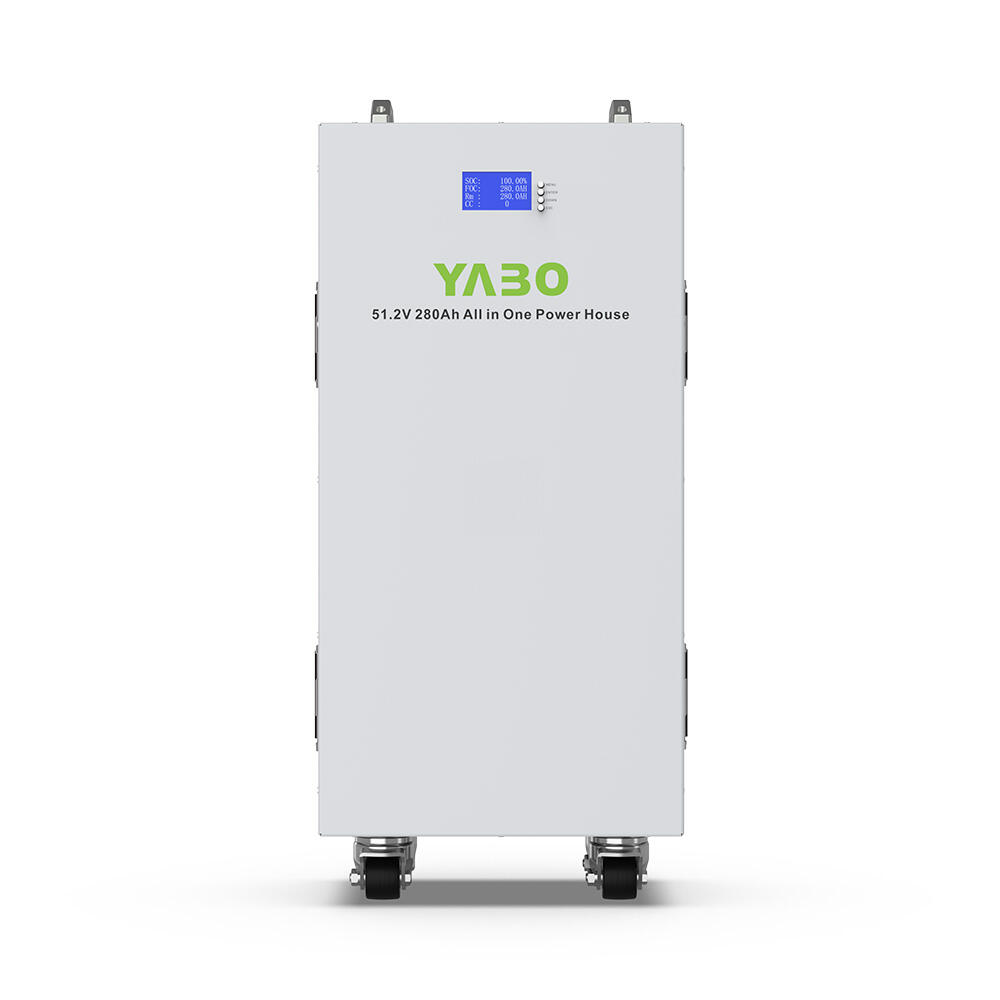
The adoption of energy storage battery systems in commercial settings is accelerating because these solutions address multiple operational pain points simultaneously. From reducing peak demand charges to enabling renewable energy integration and providing backup power during outages, advanced energy storage battery systems deliver measurable value across financial, operational, and environmental dimensions. Understanding why commercial facilities prefer these systems requires examining the specific pressures they face and how modern storage technology resolves them.
The Financial Case for Energy Storage Battery Systems in Commercial Facilities
Reducing Peak Demand Charges
One of the most immediate financial drivers behind commercial adoption of energy storage battery systems is the reduction of peak demand charges. Utilities typically bill commercial customers not just for total energy consumed, but for the highest level of power drawn during any short interval within a billing cycle. These demand charges can represent 30 to 50 percent of a commercial facility's total electricity bill, making them a significant and often frustrating cost center.
Energy storage battery systems allow facilities to charge during off-peak hours when electricity rates are low, then discharge stored energy during peak demand windows to flatten the load curve. This strategy, known as peak shaving, directly reduces the measured demand peak and therefore lowers the demand charge component of the utility bill. Over a 12-month period, the cumulative savings from consistent peak shaving can be substantial enough to justify the capital investment in energy storage battery systems within a few years.
Commercial facilities with predictable high-load periods — such as manufacturing plants during shift changes, office buildings during midday cooling peaks, or retail centers during weekend traffic — are particularly well-positioned to benefit from this approach. The more pronounced and consistent the demand spike, the greater the financial return from deploying energy storage battery systems for peak management.
Time-of-Use Arbitrage and Energy Cost Optimization
Beyond peak shaving, energy storage battery systems enable commercial facilities to take advantage of time-of-use pricing structures. Many utility tariffs charge significantly different rates depending on the time of day, with off-peak rates sometimes being two to three times lower than on-peak rates. Facilities equipped with energy storage battery systems can systematically charge their batteries when rates are lowest and discharge when rates are highest, capturing the price differential as direct savings.
This time-of-use arbitrage strategy becomes even more powerful when combined with on-site solar generation. Excess solar energy produced during midday can be stored in energy storage battery systems rather than exported to the grid at low feed-in tariff rates, then used during evening peak hours when grid electricity is most expensive. This self-consumption optimization model is increasingly common among commercial facilities that have already invested in rooftop or carport solar installations.
The financial logic is straightforward: energy storage battery systems transform a facility's relationship with the grid from passive consumption to active energy management. This shift gives procurement teams greater control over energy costs and reduces exposure to utility rate volatility, which has been a persistent concern for commercial operators in recent years.
Operational Resilience and Business Continuity
Backup Power During Grid Outages
Commercial facilities cannot afford extended power interruptions. Whether the operation involves data processing, cold chain logistics, healthcare services, or continuous manufacturing, even brief outages can result in significant financial losses, safety risks, and reputational damage. Energy storage battery systems provide a reliable backup power source that can activate within milliseconds of a grid disturbance, maintaining critical loads without interruption.
Unlike traditional diesel generators, which require fuel procurement, regular maintenance, and startup time, energy storage battery systems are always ready, produce no emissions during operation, and can be sized precisely to match the facility's critical load requirements. This makes them a cleaner, more responsive, and often more cost-effective backup solution for commercial environments where reliability is non-negotiable.
Facilities in regions with aging grid infrastructure or those exposed to extreme weather events have particularly strong incentives to deploy energy storage battery systems. The ability to island critical operations during extended outages — keeping servers running, refrigeration active, or production lines moving — represents a direct protection of revenue and operational continuity that facility managers increasingly view as essential infrastructure investment.
Power Quality and Load Stability
Beyond outage protection, energy storage battery systems contribute to overall power quality within commercial facilities. Voltage fluctuations, frequency deviations, and harmonic distortions from the grid can damage sensitive equipment, reduce the lifespan of motors and electronics, and cause process interruptions in precision manufacturing or laboratory environments. Advanced energy storage battery systems with integrated power conditioning capabilities can filter these disturbances and deliver clean, stable power to facility loads.
This power quality benefit is especially relevant for facilities operating high-value equipment such as CNC machines, medical imaging devices, data center servers, or automated production systems. The cost of equipment damage or process failure from poor power quality can far exceed the investment in energy storage battery systems, making the business case for deployment even more compelling when viewed through a total cost of ownership lens.
Sustainability Goals and Regulatory Alignment
Supporting Renewable Energy Integration
Commercial facilities with sustainability commitments are finding that energy storage battery systems are an essential enabler of meaningful renewable energy integration. Solar and wind generation are inherently intermittent — they produce power when conditions allow, not necessarily when the facility needs it. Without storage, the practical value of on-site renewables is limited by the facility's ability to consume generation in real time.
Energy storage battery systems decouple generation from consumption, allowing facilities to capture renewable energy when it is available and deploy it when it is needed. This dramatically increases the effective utilization of renewable assets and raises the percentage of total facility energy consumption that can be met by clean sources. For commercial operators pursuing net-zero targets or specific renewable energy percentage goals, energy storage battery systems are not optional — they are the mechanism that makes those targets achievable.
The combination of on-site generation and energy storage battery systems also reduces grid dependency, which lowers the facility's carbon footprint associated with grid-supplied electricity. As carbon accounting becomes more rigorous and supply chain sustainability expectations from customers and investors intensify, this reduction in grid consumption carries both environmental and reputational value for commercial operators.
Meeting Regulatory and Reporting Requirements
Regulatory pressure on commercial energy use is increasing in many markets. Building energy codes, carbon disclosure requirements, and sustainability reporting frameworks are pushing facility operators to demonstrate measurable progress on energy efficiency and emissions reduction. Energy storage battery systems generate detailed operational data — charge and discharge cycles, energy flows, demand profiles — that can be used directly in sustainability reporting and compliance documentation.
In jurisdictions where demand response programs or grid services markets are available, commercial facilities with energy storage battery systems can participate as active grid assets, earning revenue or incentives by providing flexibility services to the utility. This regulatory and market participation dimension adds another layer of financial and strategic value to energy storage battery systems deployment, further reinforcing why commercial facilities are prioritizing these investments.
Technology Maturity and Scalability of Modern Energy Storage Battery Systems
LiFePO4 Chemistry and Commercial Suitability
The widespread commercial preference for energy storage battery systems is also driven by significant advances in battery technology, particularly the maturation of lithium iron phosphate chemistry. LiFePO4-based energy storage battery systems offer a combination of safety, cycle life, thermal stability, and energy density that makes them well-suited for commercial facility applications. Unlike earlier lithium chemistries, LiFePO4 cells are highly resistant to thermal runaway, which is a critical safety consideration for installations inside occupied commercial buildings.
The cycle life of modern LiFePO4 energy storage battery systems — often exceeding 3,000 to 6,000 full charge-discharge cycles — translates to operational lifespans of 10 years or more under typical commercial usage patterns. This longevity significantly improves the economics of energy storage battery systems by spreading the capital cost over a longer useful life and reducing the frequency of replacement. For commercial facility operators evaluating total cost of ownership, this durability is a decisive factor.
Modular Design and Scalable Deployment
Modern energy storage battery systems are designed with modularity in mind, allowing commercial facilities to right-size their initial deployment and expand capacity as needs evolve. A facility can begin with a system sized to address its most pressing use case — peak shaving or backup power, for example — and add capacity incrementally as the business case for additional applications becomes clear. This scalability reduces the upfront capital commitment and lowers the barrier to initial adoption.
The integration capabilities of contemporary energy storage battery systems have also improved substantially. Most commercial-grade systems include sophisticated battery management systems, communication interfaces compatible with building energy management platforms, and support for grid interconnection standards. This makes energy storage battery systems easier to integrate into existing facility infrastructure and enables the data-driven optimization that maximizes financial returns over the system's operational life.
As commercial facilities grow, diversify their energy assets, or take on new sustainability commitments, scalable energy storage battery systems provide the flexibility to adapt without requiring a complete system replacement. This future-proofing quality is increasingly important to facility planners who are making long-term infrastructure decisions in a rapidly evolving energy landscape.
FAQ
What size of energy storage battery systems do commercial facilities typically need?
The appropriate size of energy storage battery systems for a commercial facility depends on the primary use case, the facility's peak demand profile, and the duration of backup power required. A facility focused on peak shaving will size its system based on the magnitude and duration of its demand peaks, while one prioritizing backup power will size based on critical load requirements and desired autonomy time. Professional energy assessments are typically conducted to determine the optimal system size, and modular designs allow for incremental expansion as needs change.
How long does it take for energy storage battery systems to pay back their investment in a commercial setting?
Payback periods for energy storage battery systems in commercial facilities typically range from three to seven years, depending on local electricity tariff structures, the magnitude of demand charges, available incentives or rebates, and the specific applications the system is deployed for. Facilities with high demand charges, favorable time-of-use rate differentials, or access to grid services revenue streams tend to achieve faster payback. When combined with solar generation, the economics of energy storage battery systems often improve further due to increased self-consumption value.
Are energy storage battery systems safe to install inside commercial buildings?
Modern energy storage battery systems using LiFePO4 chemistry are considered among the safest battery technologies available for commercial building installation. They are highly resistant to thermal runaway, do not emit harmful gases under normal operating conditions, and are designed to meet stringent safety standards and building codes. Proper installation by qualified professionals, adherence to manufacturer guidelines, and compliance with local fire and electrical codes are essential to ensuring safe operation. Many commercial facilities install energy storage battery systems in dedicated electrical rooms or purpose-built enclosures to further enhance safety and accessibility for maintenance.
Can energy storage battery systems work without solar panels in a commercial facility?
Yes, energy storage battery systems can deliver significant value in commercial facilities even without on-site solar generation. Grid-connected energy storage battery systems can charge directly from the utility grid during off-peak hours and discharge during peak periods to reduce demand charges and take advantage of time-of-use rate differentials. They also provide backup power capability regardless of whether solar is present. While the combination of solar and energy storage battery systems often maximizes financial returns, the systems are fully functional and economically viable as standalone grid-connected assets in commercial applications.
Table of Contents
- The Financial Case for Energy Storage Battery Systems in Commercial Facilities
- Operational Resilience and Business Continuity
- Sustainability Goals and Regulatory Alignment
- Technology Maturity and Scalability of Modern Energy Storage Battery Systems
-
FAQ
- What size of energy storage battery systems do commercial facilities typically need?
- How long does it take for energy storage battery systems to pay back their investment in a commercial setting?
- Are energy storage battery systems safe to install inside commercial buildings?
- Can energy storage battery systems work without solar panels in a commercial facility?