
 EN
EN
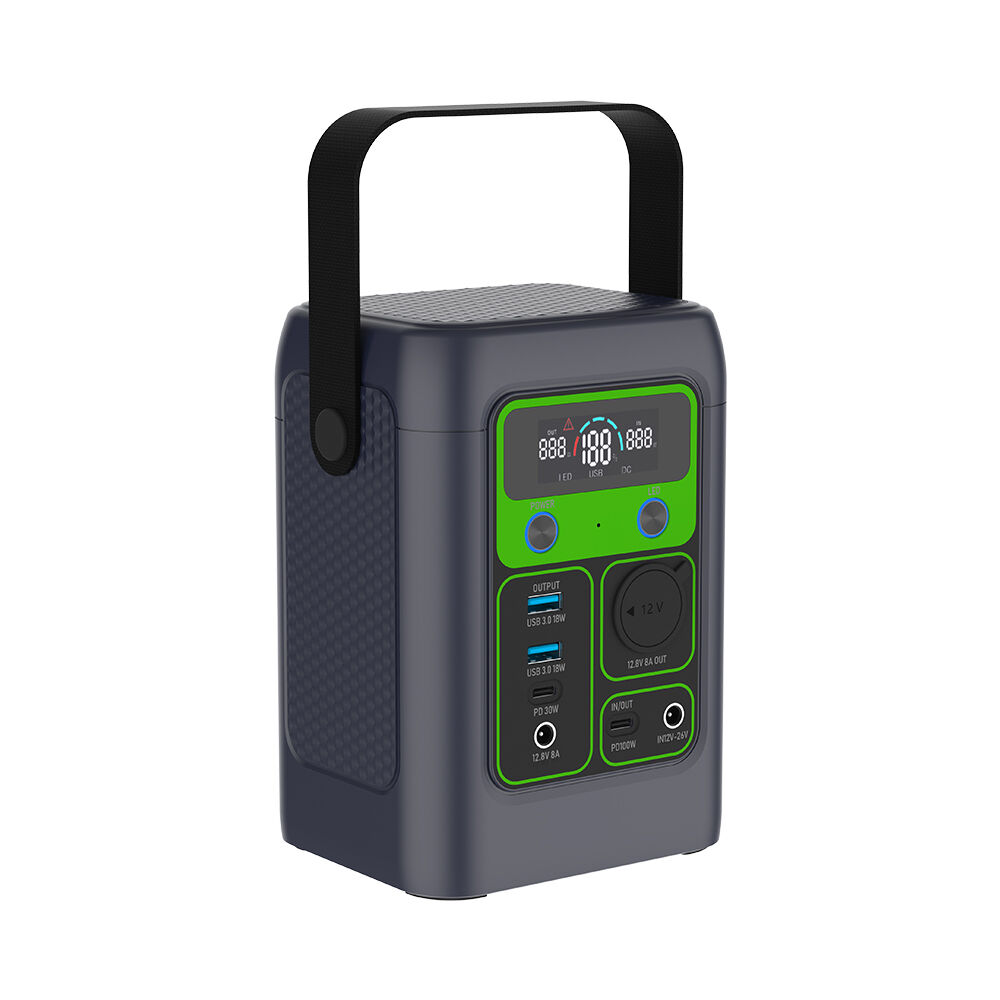
When temperatures drop, the performance characteristics of portable power solutions become critically important for outdoor enthusiasts, emergency preparedness, and professionals working in challenging environments. A LiFePO4 portable power station represents one of the most advanced energy storage technologies available today, but understanding how these devices respond to cold weather conditions is essential for making informed decisions about power backup solutions. The lithium iron phosphate chemistry that defines these systems offers unique advantages and specific considerations when operating in low-temperature environments.
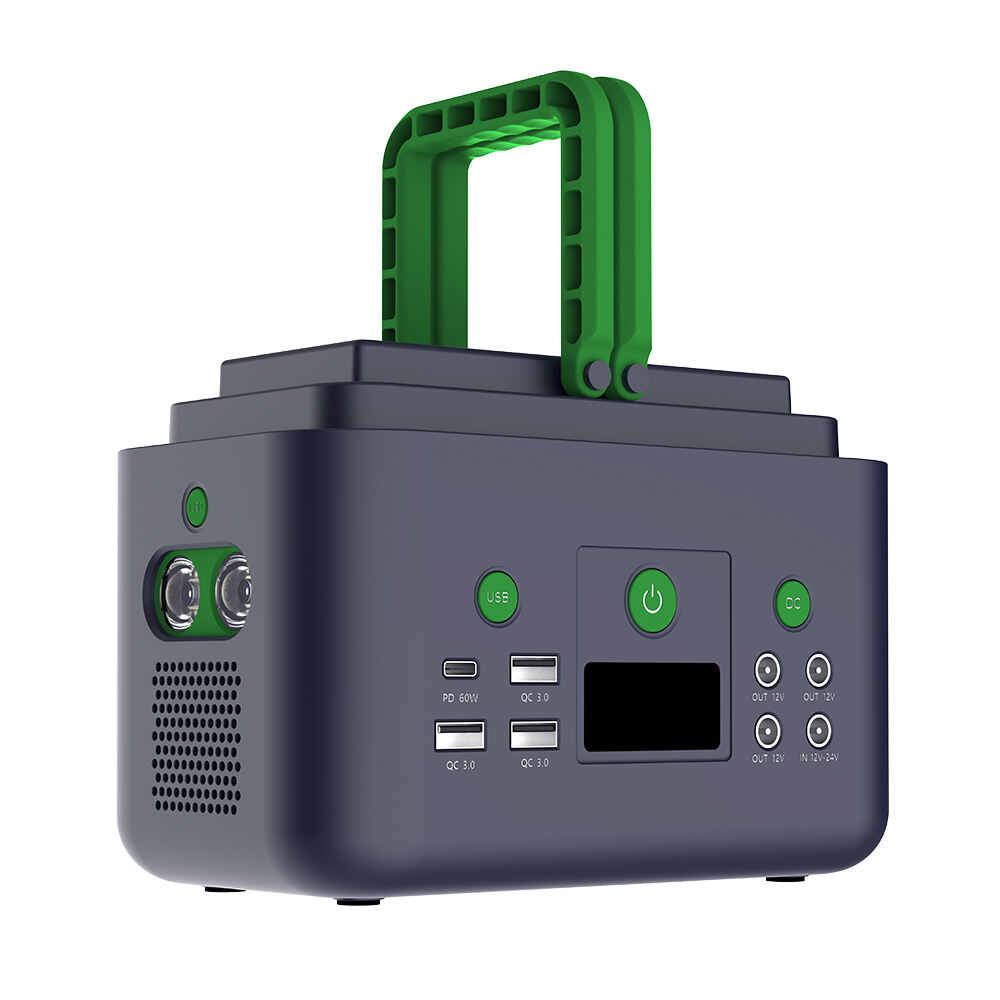
Cold weather performance directly impacts the reliability and effectiveness of portable power systems across various applications. From winter camping expeditions to emergency backup during power outages, users need dependable energy solutions that maintain consistent output regardless of external temperature fluctuations. The electrochemical processes within a LiFePO4 portable power station undergo specific changes when exposed to freezing temperatures, affecting everything from charging capabilities to discharge rates and overall system longevity.
Cold Weather Impact on LiFePO4 Battery Chemistry
Electrochemical Process Changes
The fundamental chemistry of lithium iron phosphate batteries experiences measurable changes when temperatures decline below optimal operating ranges. In a LiFePO4 portable power station, the movement of lithium ions between the cathode and anode becomes increasingly sluggish as temperatures drop, resulting in higher internal resistance and reduced electrochemical efficiency. This phenomenon occurs because cold temperatures slow down the kinetic energy of ions within the electrolyte solution, creating a more viscous environment that impedes rapid ion transfer.
At temperatures approaching freezing, the electrolyte within the battery cells begins to thicken, further restricting ion mobility and increasing the energy required for normal battery operation. A typical LiFePO4 portable power station may experience a 20-30% reduction in available capacity when operating at 32°F (0°C) compared to room temperature performance. This reduction becomes more pronounced as temperatures continue to drop, with some systems showing capacity losses of up to 50% at -4°F (-20°C).
The crystalline structure of lithium iron phosphate remains remarkably stable across temperature ranges, providing inherent advantages over other lithium chemistries that may experience structural degradation in cold conditions. However, the reduced ionic conductivity still creates practical limitations that users must understand when planning cold weather applications for their portable power systems.
Voltage and Current Delivery Modifications
Cold temperatures significantly affect the voltage profile and current delivery characteristics of a LiFePO4 portable power station during both discharge and charging cycles. As internal resistance increases with decreasing temperature, the battery management system must compensate for voltage sag under load, which can impact the ability to power high-draw devices consistently. This voltage depression becomes particularly noticeable when attempting to operate inverter-based AC outlets or high-wattage DC devices.
The current delivery capacity of the system also experiences limitations in cold weather, as the battery cells struggle to maintain peak discharge rates. A LiFePO4 portable power station that normally provides 10 amperes of continuous current at room temperature might only sustain 6-7 amperes in freezing conditions without triggering protective shutdowns. This reduction in current capability directly affects the types and quantities of devices that can be powered simultaneously during cold weather operations.
Recovery characteristics also change substantially in cold environments, with the battery requiring longer periods to return to full voltage after heavy discharge events. This extended recovery time can impact the practical usability of the power station for applications requiring rapid cycling between high and low power demands.
Charging Performance in Low Temperature Conditions
Charging Rate Limitations
The charging performance of a LiFePO4 portable power station becomes significantly constrained when ambient temperatures fall below optimal ranges. Most battery management systems incorporate temperature-based charging protocols that automatically reduce charging current as temperatures approach freezing levels, protecting the battery cells from potential damage caused by lithium plating and other cold-weather charging hazards. These protective measures typically result in charging times that are 2-3 times longer than normal room temperature charging cycles.
At temperatures below 32°F (0°C), many LiFePO4 portable power station systems completely disable charging functions to prevent irreversible damage to the battery cells. This protective shutdown occurs because attempting to charge lithium iron phosphate batteries in freezing conditions can lead to metallic lithium deposition on the anode surface, creating permanent capacity loss and potential safety hazards. Users must plan accordingly for cold weather scenarios where recharging may not be possible until temperatures rise above minimum thresholds.
Solar charging capabilities become particularly affected during cold weather operations, as the combination of reduced solar panel efficiency and battery charging limitations creates a compound effect on energy replenishment rates. Even when solar panels generate adequate power during winter months, the LiFePO4 portable power station may not accept the full available charging current due to temperature-related restrictions.
Charging Source Compatibility
Different charging sources exhibit varying levels of compatibility and effectiveness when recharging a LiFePO4 portable power station in cold weather conditions. Wall chargers and DC vehicle adapters typically provide the most consistent charging performance because they can deliver stable voltage and current regardless of ambient temperature, although the battery management system still enforces temperature-based charging limitations. These hardwired charging sources also generate some internal heat during operation, which can help warm the battery cells slightly and improve charging acceptance.
Solar charging presents unique challenges in cold weather scenarios, as photovoltaic panels actually increase their voltage output in cold conditions while simultaneously experiencing reduced current production due to lower light angles and shorter daylight hours during winter months. The LiFePO4 portable power station must accommodate these voltage fluctuations while maintaining protective charging protocols, often resulting in inefficient energy transfer and extended charging periods.
USB and other low-current charging options become practically unusable in cold conditions due to the combination of reduced charging acceptance and the minimal heat generation from low-power charging sources. Users relying on these secondary charging methods may find their systems unable to maintain adequate charge levels during extended cold weather operations.
Discharge Characteristics and Runtime Expectations
Capacity Reduction Patterns
The available capacity of a LiFePO4 portable power station follows predictable patterns of reduction as temperatures decline, allowing users to estimate runtime expectations for various cold weather scenarios. At mild cold temperatures around 40°F (4°C), capacity reduction typically remains minimal at 5-10%, but this reduction accelerates rapidly as temperatures approach and drop below freezing. Understanding these capacity patterns enables better planning for extended outdoor activities and emergency preparedness situations.
The discharge curve characteristics also change substantially in cold conditions, with the battery exhibiting steeper voltage drops under load and reduced ability to maintain stable output during high-demand periods. A LiFePO4 portable power station that normally provides consistent power output until nearly depleted may experience significant voltage sag and premature low-battery shutdowns when operating in freezing temperatures. This altered discharge behavior requires users to monitor battery levels more closely and plan for earlier recharging intervals.
Recovery effects become apparent during cold weather discharge cycles, where the battery may temporarily regain some capacity when load is removed or reduced. This phenomenon occurs as the chemical processes within the cells have time to redistribute and stabilize during low-demand periods, effectively extending the usable capacity beyond initial cold-weather projections.
Load-Specific Performance Variations
Different types of electrical loads place varying demands on a LiFePO4 portable power station operating in cold conditions, resulting in significantly different runtime expectations depending on the connected devices. High-current devices such as electric heaters, power tools, and microwave ovens create the most challenging operating conditions for cold-weather battery performance, often triggering protective shutdowns or causing rapid voltage depression that limits practical usability.
Low-power electronic devices such as smartphones, tablets, LED lighting, and communication equipment generally maintain better compatibility with cold-weather battery performance, as their minimal current draws allow the LiFePO4 portable power station to operate within comfortable voltage and current ranges despite temperature-related limitations. These devices also tend to be less sensitive to minor voltage fluctuations that may occur during cold-weather operation.
Inductive loads such as motors, pumps, and compressors present intermediate challenges during cold weather operation, as their startup current requirements may exceed the reduced current delivery capabilities of the battery system. Users may need to implement load management strategies, such as sequential device startup or reduced simultaneous operation, to maintain reliable power delivery in cold conditions.
Thermal Management and Performance Optimization
Built-in Heating Systems
Advanced LiFePO4 portable power station designs increasingly incorporate internal heating systems specifically engineered to maintain optimal battery temperatures during cold weather operation. These integrated heating elements typically consume 10-50 watts of power to warm the battery compartment, automatically activating when internal temperature sensors detect conditions approaching the lower operating limits of the lithium iron phosphate cells. The heating systems represent a trade-off between maintaining battery performance and consuming stored energy for thermal management.
Self-heating capabilities enable the power station to prepare for charging operations in cold conditions by bringing the battery cells to acceptable temperatures before enabling the charging circuits. This preheating process may require 15-30 minutes depending on ambient temperature and initial battery temperature, but significantly improves charging acceptance and reduces the risk of damage from cold-weather charging attempts. Some systems feature intelligent heating algorithms that optimize energy consumption while maintaining minimum operating temperatures.
The effectiveness of built-in heating systems depends heavily on the insulation design and thermal mass of the LiFePO4 portable power station enclosure. Well-insulated units can maintain elevated internal temperatures for extended periods after heating cycles, while poorly insulated designs may require continuous heating operation that substantially reduces available capacity for external loads.
External Thermal Management Strategies
Users can implement various external thermal management approaches to improve the cold weather performance of their LiFePO4 portable power station systems. Insulation wrapping using sleeping bags, blankets, or purpose-built battery warmers can help maintain elevated temperatures during operation and storage, reducing the impact of ambient temperature fluctuations on battery performance. These passive thermal management methods require no additional energy consumption but may limit access to ports and controls.
Active warming techniques such as placing the power station near heat sources, using external heating pads, or storing the unit in heated vehicles between uses can significantly improve cold weather performance. However, users must exercise caution to avoid overheating the battery cells, as excessive temperatures can be equally damaging to lithium iron phosphate chemistry and may trigger thermal protection shutdowns that prevent operation until temperatures return to safe ranges.
Strategic positioning and usage timing can maximize the effectiveness of a LiFePO4 portable power station in cold environments. Keeping the unit in the warmest available location, such as inside tents or shelters, and timing high-demand activities during warmer periods of the day can help optimize available capacity and charging opportunities. Pre-warming the unit indoors before outdoor deployment ensures maximum initial capacity for critical applications.
FAQ
At what temperature does a LiFePO4 portable power station stop working effectively?
Most LiFePO4 portable power stations begin experiencing noticeable performance degradation around 32°F (0°C), with capacity reductions of 20-30% compared to room temperature operation. Charging typically becomes disabled below freezing to protect the battery cells from damage. Complete operational shutdown usually occurs around -4°F to -20°F (-20°C to -29°C) depending on the specific battery management system design and protective algorithms implemented by the manufacturer.
Can I charge my LiFePO4 portable power station in freezing temperatures?
Charging a LiFePO4 portable power station in freezing temperatures is generally not recommended and may be automatically prevented by the battery management system. Attempting to charge lithium iron phosphate batteries below 32°F (0°C) can cause permanent damage through lithium plating and other electrochemical reactions that reduce battery life and capacity. If charging is necessary in cold conditions, the battery should be warmed above freezing temperature first using internal heating systems or external warming methods.
How can I extend the runtime of my power station in cold weather?
To maximize runtime in cold conditions, keep the LiFePO4 portable power station insulated and as warm as possible through wrapping, strategic placement, or use of built-in heating systems. Reduce high-power loads and prioritize essential low-power devices to minimize stress on the battery system. Start with a fully charged battery and consider carrying backup power sources for extended cold weather operations. Avoid rapid discharge cycles and allow the battery to warm naturally between heavy use periods when possible.
Will cold weather permanently damage my LiFePO4 portable power station?
Properly designed LiFePO4 portable power stations with appropriate battery management systems should not suffer permanent damage from normal cold weather exposure during discharge operations. The lithium iron phosphate chemistry is inherently stable across temperature ranges, and protective circuits prevent operation outside safe parameters. However, attempting to charge in freezing conditions or exposing the unit to extreme temperatures below the manufacturer's specifications can cause permanent capacity loss and system damage that may not be covered under warranty.