Deep Cycle Lithium Battery for Solar: Ultimate Energy Storage Guide 2024

No.252 Pinglong East Road, Fenghuang Community, Pinghu Street, Longgang District, Shenzhen +86-18576759460 [email protected]

Get a Free Quote

Our representative will contact you soon.
Email
Name
Company Name
Message
0/1000

deep cycle lithium battery for solar

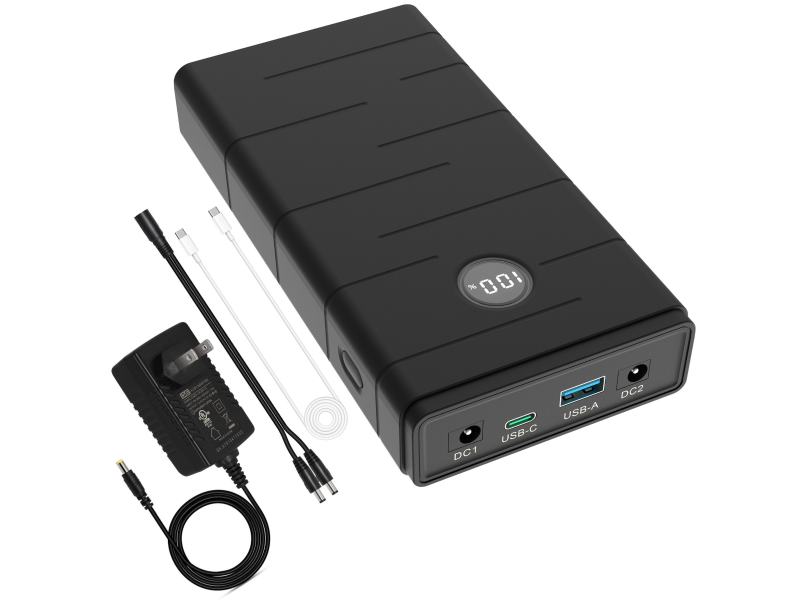
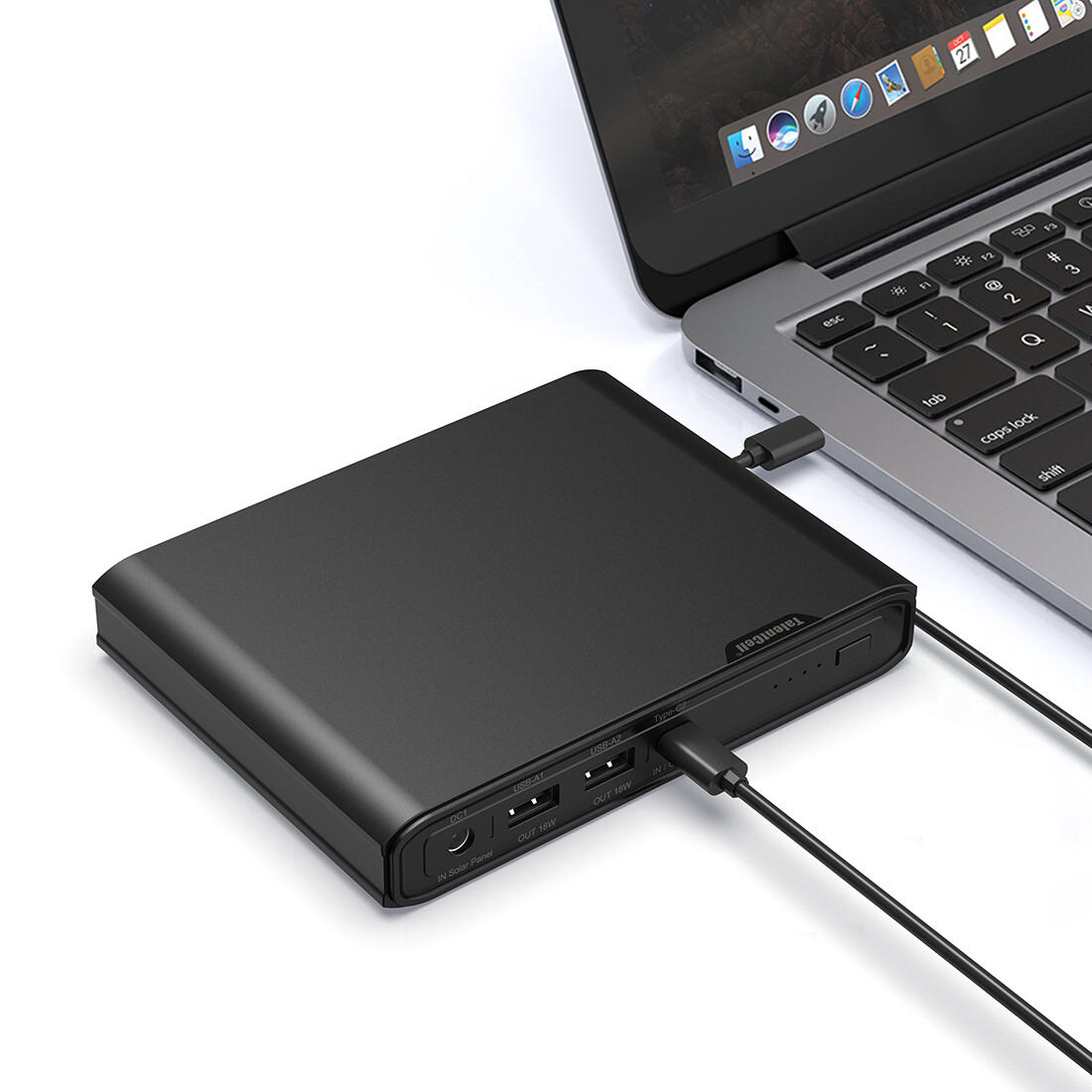
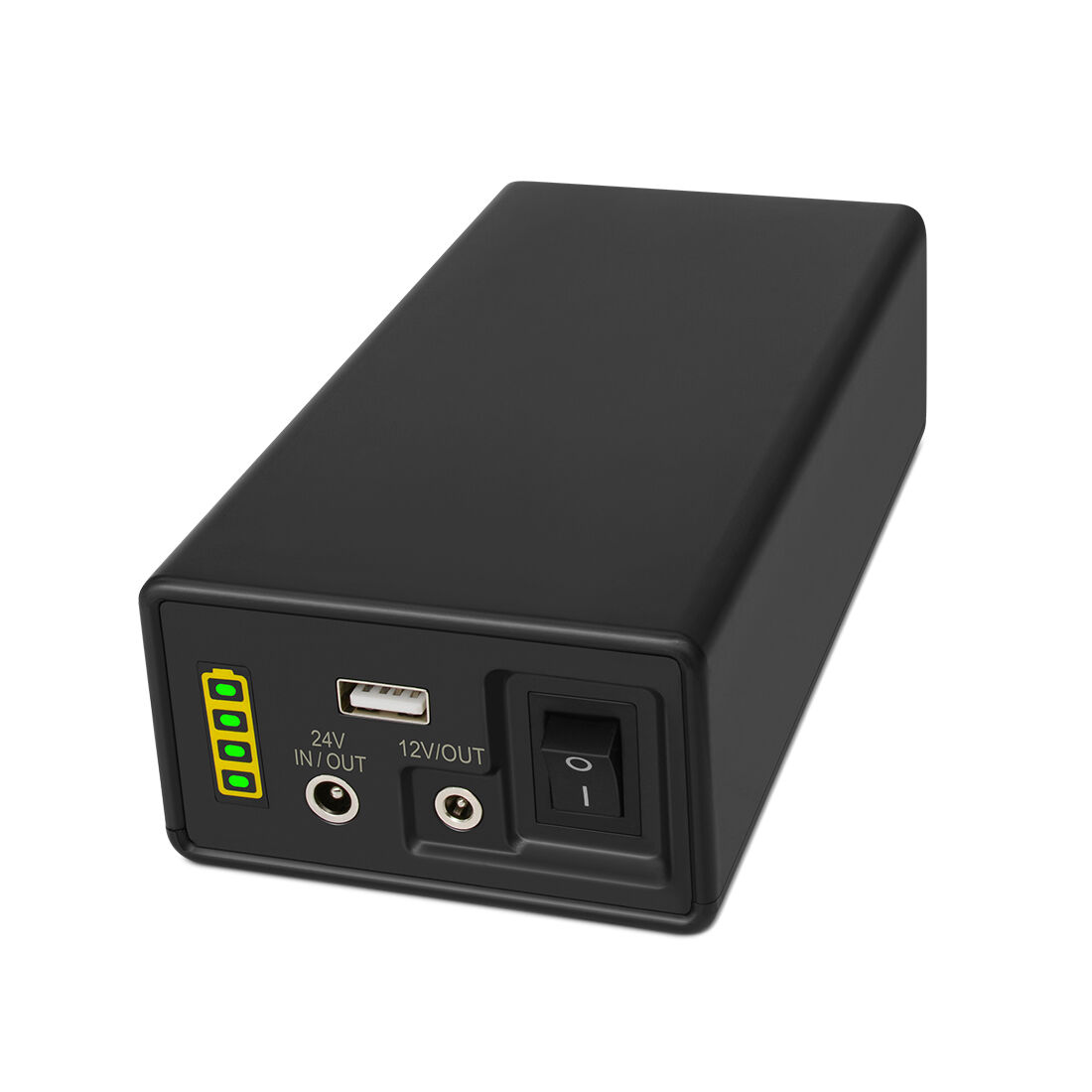
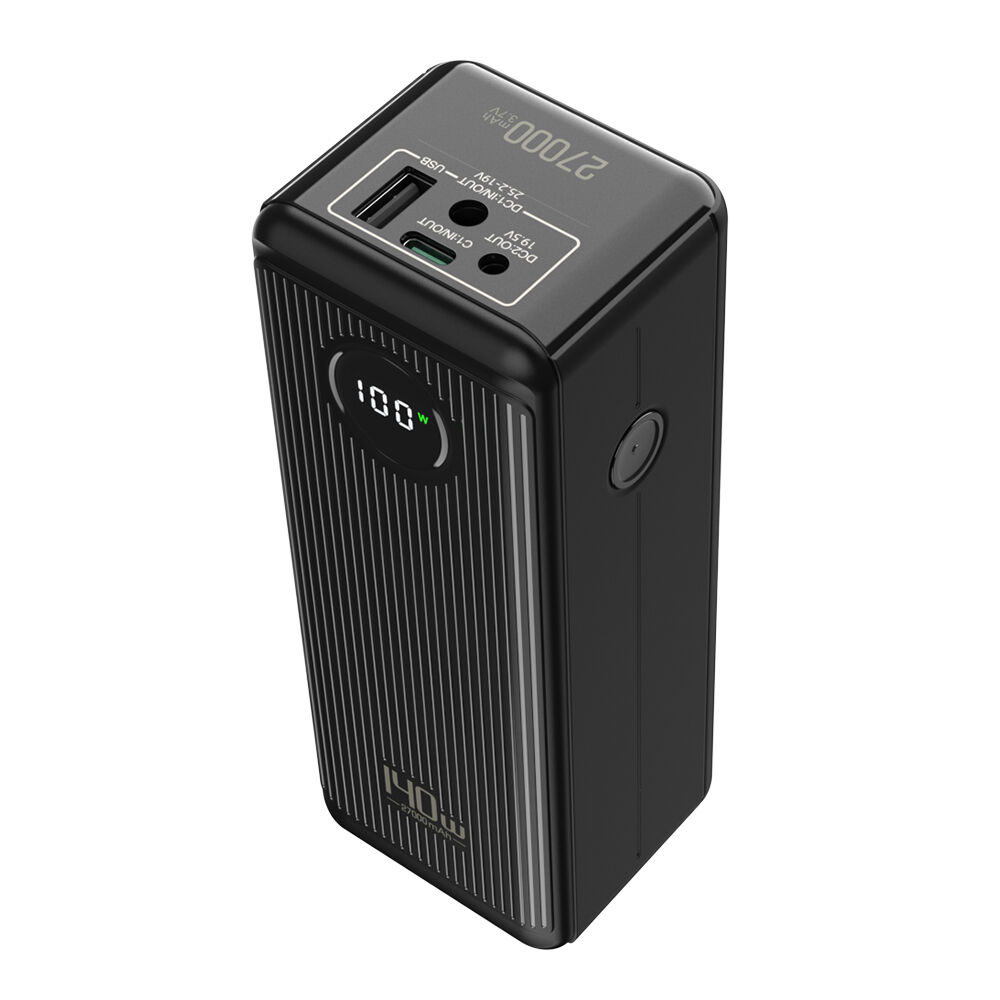
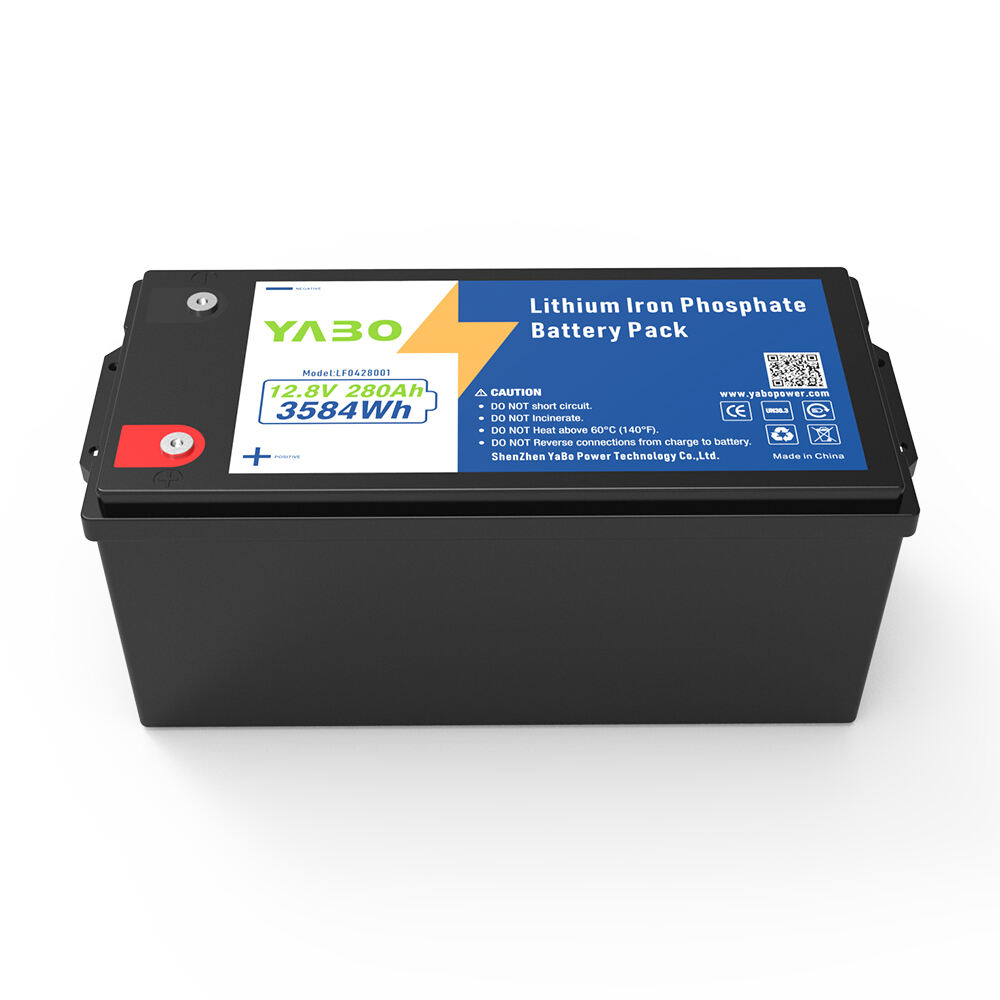
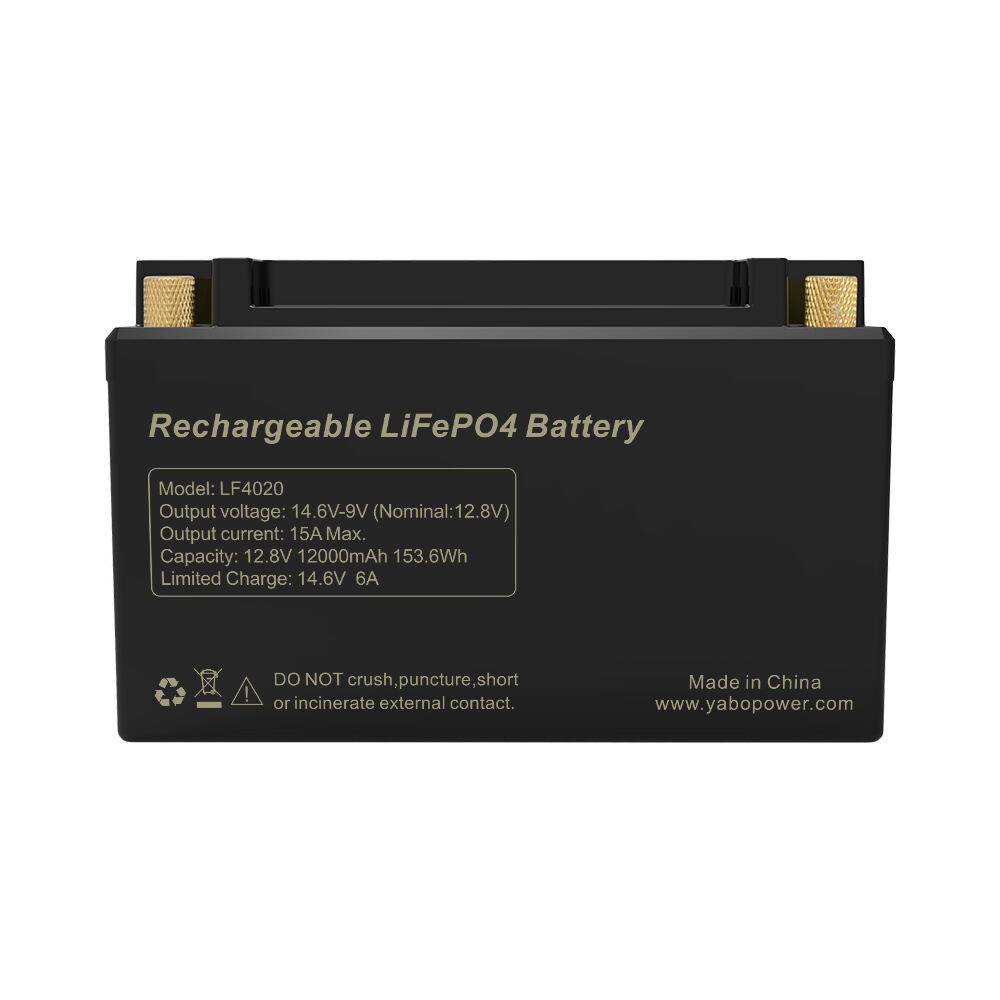
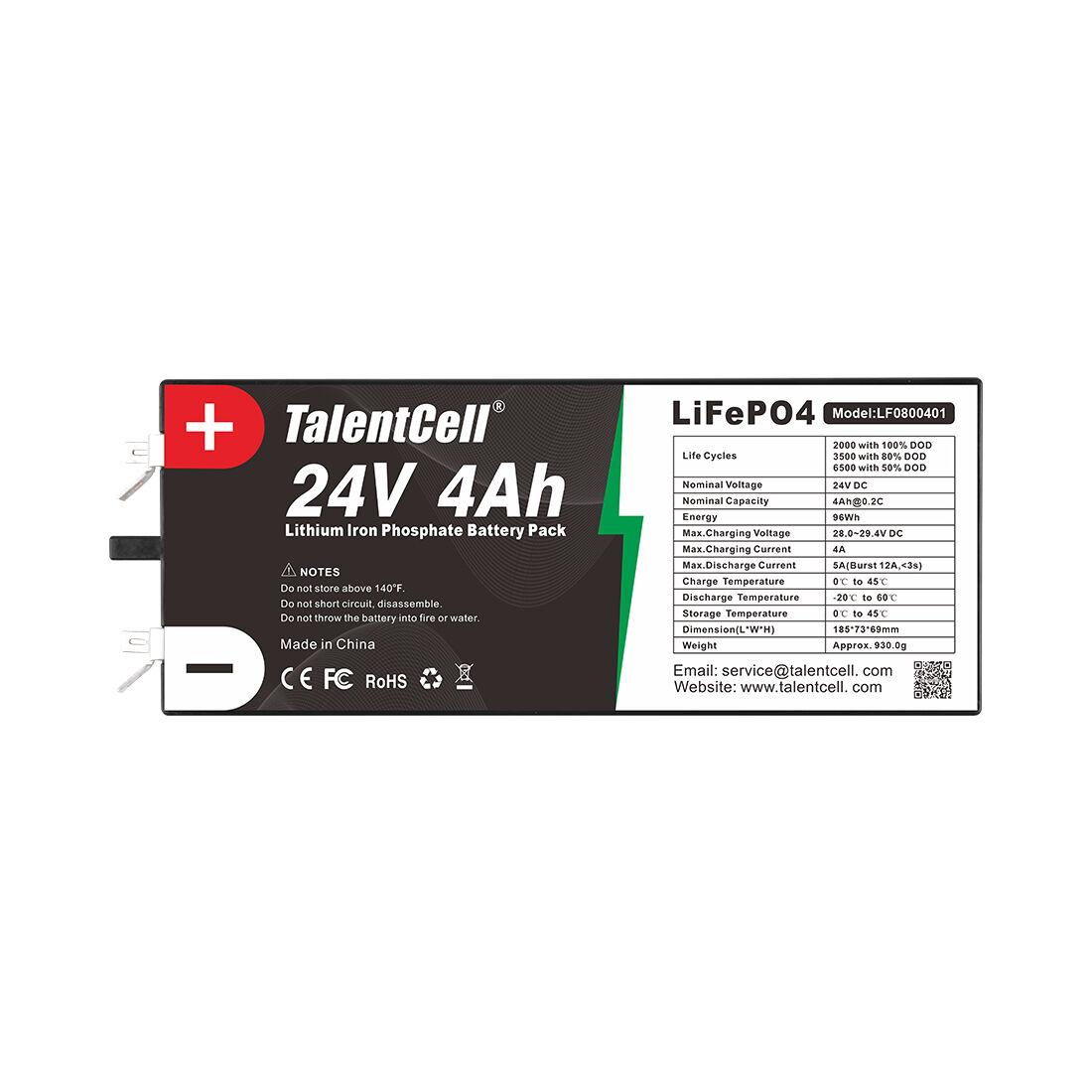
A deep cycle lithium battery for solar represents a revolutionary energy storage solution that transforms how residential and commercial properties harness renewable energy. Unlike traditional lead-acid batteries, these advanced power storage systems utilize lithium iron phosphate or lithium-ion chemistry to deliver exceptional performance and reliability. The primary function of a deep cycle lithium battery for solar involves storing excess energy generated by solar panels during peak sunlight hours, enabling property owners to access clean electricity when the sun is not shining. These sophisticated batteries feature cutting-edge Battery Management Systems that monitor cell voltage, temperature, and charging cycles to optimize performance and ensure safety. The technological architecture includes advanced cell balancing capabilities that maintain uniform charge distribution across individual battery cells, maximizing efficiency and extending operational lifespan. Modern deep cycle lithium battery for solar units incorporate smart communication protocols that allow seamless integration with solar inverters, monitoring systems, and home energy management platforms. The compact design and modular construction enable flexible installation configurations, making them suitable for various residential, commercial, and industrial applications. These batteries excel in off-grid solar installations, grid-tied systems with backup power requirements, and hybrid renewable energy projects. The deep cycle designation refers to their ability to discharge significant portions of stored capacity repeatedly without degrading performance, making them ideal for daily cycling applications common in solar energy systems. Advanced thermal management features ensure optimal operation across diverse climate conditions, while built-in safety mechanisms protect against overcharging, overheating, and short circuits. The scalable nature of deep cycle lithium battery for solar technology allows users to expand storage capacity as energy needs grow, providing long-term flexibility and investment protection.
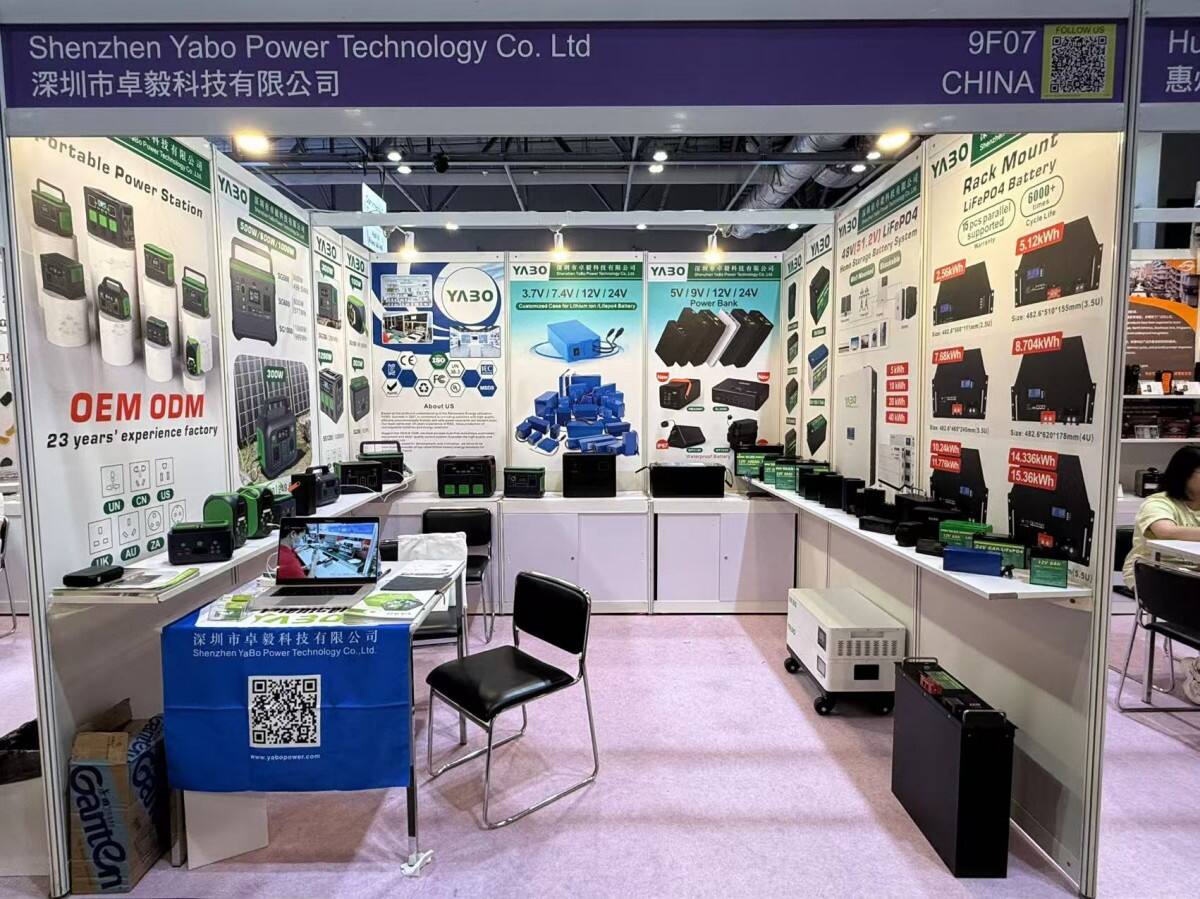
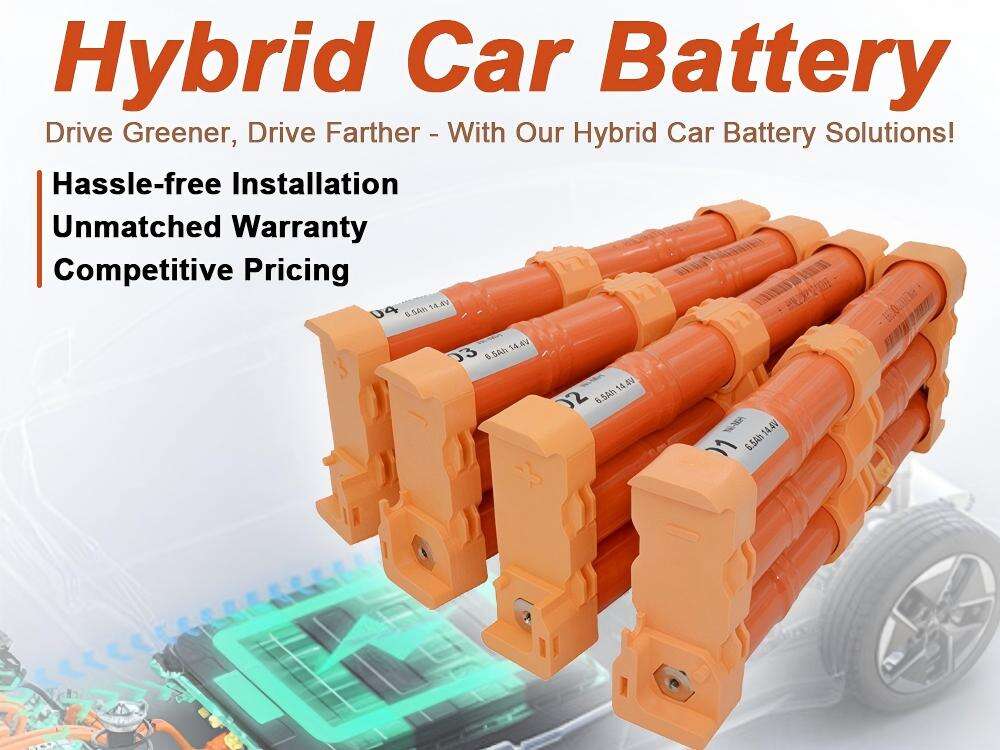
New Products

Deep cycle lithium battery for solar systems deliver remarkable advantages that make them superior to conventional battery technologies. These batteries charge significantly faster than traditional alternatives, often reaching full capacity in just two to four hours compared to eight hours or more for lead-acid batteries. This rapid charging capability means you capture more solar energy during peak production periods, maximizing your investment in renewable energy infrastructure. The extended lifespan represents another compelling advantage, with quality deep cycle lithium battery for solar units lasting 10 to 15 years compared to 3 to 5 years for lead-acid alternatives. This longevity translates to substantial cost savings over time, as you avoid frequent battery replacements and associated labor costs. Weight reduction provides practical benefits, especially for residential installations where structural considerations matter. A deep cycle lithium battery for solar typically weighs 60 to 70 percent less than equivalent lead-acid batteries, simplifying installation and reducing structural load requirements. The maintenance-free operation eliminates the need for regular water additions, terminal cleaning, and equalization charges that traditional batteries require. You simply install the system and enjoy years of reliable performance without ongoing maintenance tasks. Energy efficiency represents a crucial advantage, with deep cycle lithium battery for solar units achieving 95 to 98 percent round-trip efficiency compared to 80 to 85 percent for lead-acid batteries. This higher efficiency means more stored energy becomes available for your electrical needs, reducing waste and maximizing system performance. Temperature tolerance allows these batteries to operate effectively in extreme conditions, maintaining consistent performance whether installed in hot desert climates or cold northern regions. The deep discharge capability enables you to use 80 to 100 percent of stored capacity without damaging the battery, while lead-acid batteries should not discharge below 50 percent to avoid permanent damage. Smart monitoring features provide real-time information about battery status, remaining capacity, and system health through smartphone apps or web interfaces. This connectivity allows proactive maintenance and optimization of energy usage patterns. Environmental benefits include the absence of toxic heavy metals and corrosive electrolytes, making deep cycle lithium battery for solar systems safer for both users and the environment.

Latest News

Yabo Power Shines at 2024 Hong Kong Global Sources Consumer Electronics Exhibition

25

Nov

Yabo Power Shines at 2024 Hong Kong Global Sources Consumer Electronics Exhibition

View More
Hybrid Batteries: Everything You Need to Know

25

Nov

Hybrid Batteries: Everything You Need to Know

View More
YABO Power 2024 Annual Gala: A Night of Celebration, A Year of Determination

11

Dec

YABO Power 2024 Annual Gala: A Night of Celebration, A Year of Determination

View More
Empowering Modern Mobility: Introducing the New 12V 7000mAh Lithium-Ion Battery Pack

11

Dec

Empowering Modern Mobility: Introducing the New 12V 7000mAh Lithium-Ion Battery Pack

View More

Get a Free Quote

Our representative will contact you soon.
Email
Name
Company Name
Message
0/1000

deep cycle lithium battery for solar

Exceptional Cycle Life and Durability

Exceptional Cycle Life and Durability

The exceptional cycle life and durability of deep cycle lithium battery for solar systems represent their most compelling value proposition for serious energy storage applications. These advanced batteries typically deliver between 4,000 to 8,000 charge and discharge cycles while maintaining 80 percent of their original capacity, compared to just 500 to 1,000 cycles from traditional lead-acid batteries. This remarkable longevity stems from the inherent stability of lithium chemistry and sophisticated Battery Management Systems that prevent damaging conditions. Each cycle represents a complete charge and discharge sequence, meaning a deep cycle lithium battery for solar that cycles daily will provide reliable service for 10 to 20 years. The financial implications of this extended lifespan are substantial, as the cost per cycle becomes significantly lower than alternative technologies when calculated over the battery's operational lifetime. Property owners who invest in deep cycle lithium battery for solar systems avoid the recurring expense of battery replacement every few years, along with associated installation labor and system downtime. The durability extends beyond simple cycle count to include resistance to environmental stresses such as temperature fluctuations, vibration, and humidity variations that can compromise other battery technologies. Advanced cell construction using high-grade materials ensures consistent performance throughout the battery's operational life, while integrated monitoring systems prevent conditions that could accelerate degradation. The calendar life of these batteries often exceeds their cycle life in solar applications, meaning they maintain functionality even during periods of reduced usage. Quality manufacturers back their deep cycle lithium battery for solar products with comprehensive warranties spanning 10 to 15 years, demonstrating confidence in long-term reliability. This durability makes these batteries particularly valuable for critical applications where power reliability is essential, such as off-grid homes, emergency backup systems, and commercial facilities requiring uninterrupted operations. The consistent performance throughout the battery's lifespan ensures that energy storage capacity and discharge rates remain stable, providing predictable system performance for long-term planning and energy management strategies.
Superior Energy Density and Compact Design

Superior Energy Density and Compact Design

The superior energy density and compact design of deep cycle lithium battery for solar systems revolutionize space-constrained installations and enable new possibilities for energy storage applications. Energy density, measured in watt-hours per kilogram or per liter, determines how much energy can be stored in a given space or weight constraint. Deep cycle lithium battery for solar units typically achieve energy densities of 150 to 200 watt-hours per kilogram, compared to just 30 to 50 watt-hours per kilogram for lead-acid batteries. This dramatic difference means you can store three to four times more energy in the same physical space, or achieve equivalent storage capacity using significantly less space. For residential applications, this space efficiency allows installation in areas previously unsuitable for battery storage, such as interior closets, basement corners, or compact utility rooms. The reduced weight facilitates installation in elevated locations or structures with limited load-bearing capacity, expanding installation possibilities and reducing structural reinforcement requirements. Commercial and industrial applications benefit enormously from the compact design, as valuable floor space can be preserved for revenue-generating activities rather than battery storage. The modular nature of deep cycle lithium battery for solar systems allows precise capacity sizing without wasting space on oversized battery banks. Each battery module contains integrated electronics and safety systems, enabling clean, professional installations that meet aesthetic requirements in visible locations. Transportation and handling advantages emerge from the reduced weight and compact size, as installation crews can manage larger capacity systems with standard equipment and fewer personnel. The energy density advantage becomes particularly pronounced in mobile applications such as RVs, boats, and remote monitoring stations where space and weight restrictions are critical design constraints. Advanced packaging technologies used in deep cycle lithium battery for solar construction maximize the ratio of active materials to housing volume, ensuring optimal space utilization. The compact design also improves thermal management by reducing internal heat generation and enabling more effective cooling strategies, contributing to enhanced performance and longevity in demanding applications.
Advanced Safety Features and Intelligent Management

Advanced Safety Features and Intelligent Management

Advanced safety features and intelligent management systems distinguish premium deep cycle lithium battery for solar products from basic energy storage solutions, providing comprehensive protection for both equipment and users. Modern Battery Management Systems integrate multiple layers of safety monitoring that continuously track cell voltage, current flow, temperature, and internal resistance to prevent dangerous operating conditions. Each deep cycle lithium battery for solar incorporates individual cell monitoring that ensures balanced charging and prevents any single cell from becoming overcharged or over-discharged, conditions that could lead to thermal runaway or permanent damage. Thermal protection systems use multiple temperature sensors throughout the battery pack to detect excessive heat buildup and automatically reduce charging rates or disconnect the system if dangerous temperatures are approached. Current limiting circuits prevent excessive charge or discharge rates that could stress battery cells or connected equipment, while voltage protection circuits ensure operation within safe parameters regardless of external system conditions. Communication protocols enable deep cycle lithium battery for solar systems to interface with solar inverters, charge controllers, and monitoring equipment to coordinate safe and efficient operation. Remote monitoring capabilities allow users to track battery status, receive alerts about potential issues, and access historical performance data through smartphone applications or web-based dashboards. Fire suppression systems in advanced units include internal fire retardant materials and venting mechanisms that direct any potential thermal events away from occupied spaces. Overcurrent protection includes both electronic circuits and physical fuses that provide redundant protection against short circuits or equipment failures. The intelligent management extends to charging optimization, where the Battery Management System adjusts charging parameters based on temperature, age, and usage patterns to maximize battery life and performance. Automated balancing functions ensure all cells maintain equal charge levels, preventing capacity loss and extending overall system life. Safety certifications from recognized testing laboratories validate that deep cycle lithium battery for solar products meet stringent safety standards for electrical, thermal, and mechanical performance. Emergency shutdown capabilities allow immediate system isolation in case of detected faults or external safety concerns, while maintaining safe battery condition during extended shutdown periods.
Deep Cycle Lithium Battery for Solar: Ultimate Energy Storage Guide 2024

Get a Free Quote

Our representative will contact you soon.
Email
Name
Company Name
Message
0/1000