Lithium Solar Battery: Advanced Energy Storage Solutions for Sustainable Power Independence

No.252 Pinglong East Road, Fenghuang Community, Pinghu Street, Longgang District, Shenzhen +86-18576759460 [email protected]

Get a Free Quote

Our representative will contact you soon.
Email
Name
Company Name
Message
0/1000

lithium solar battery

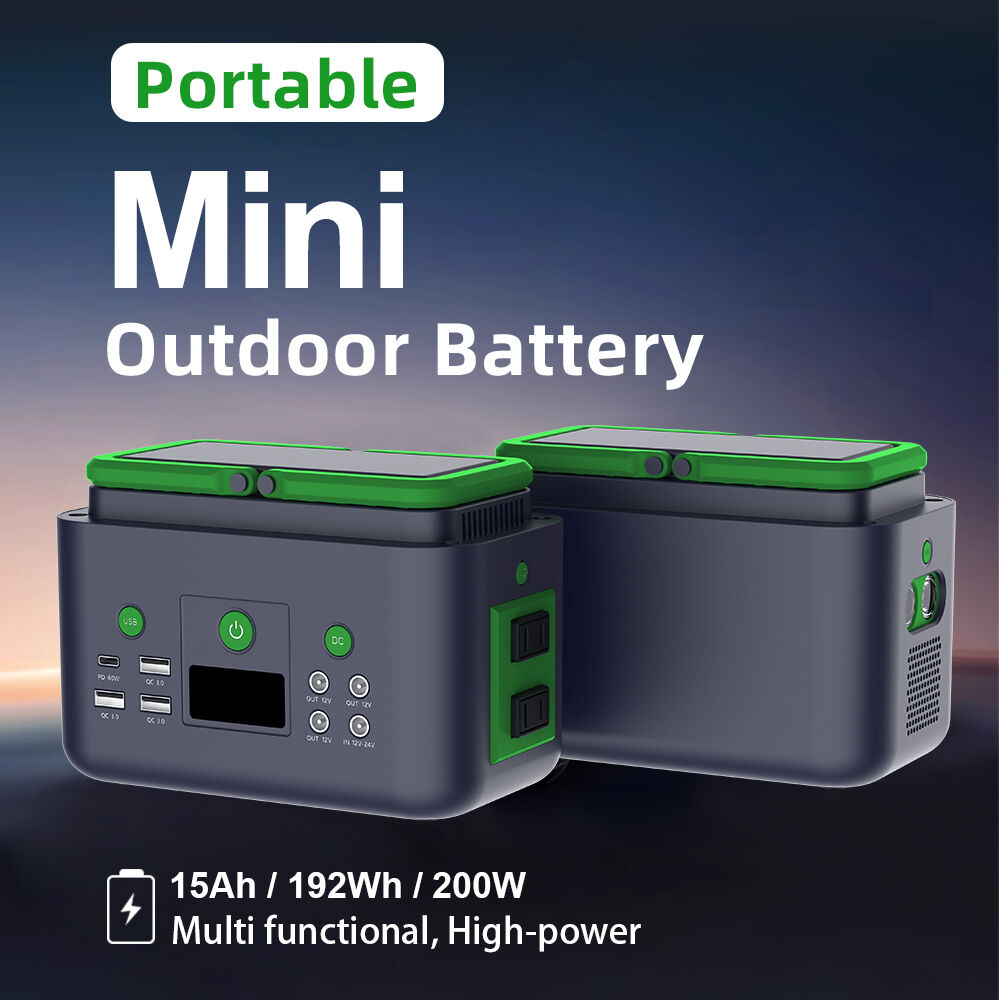
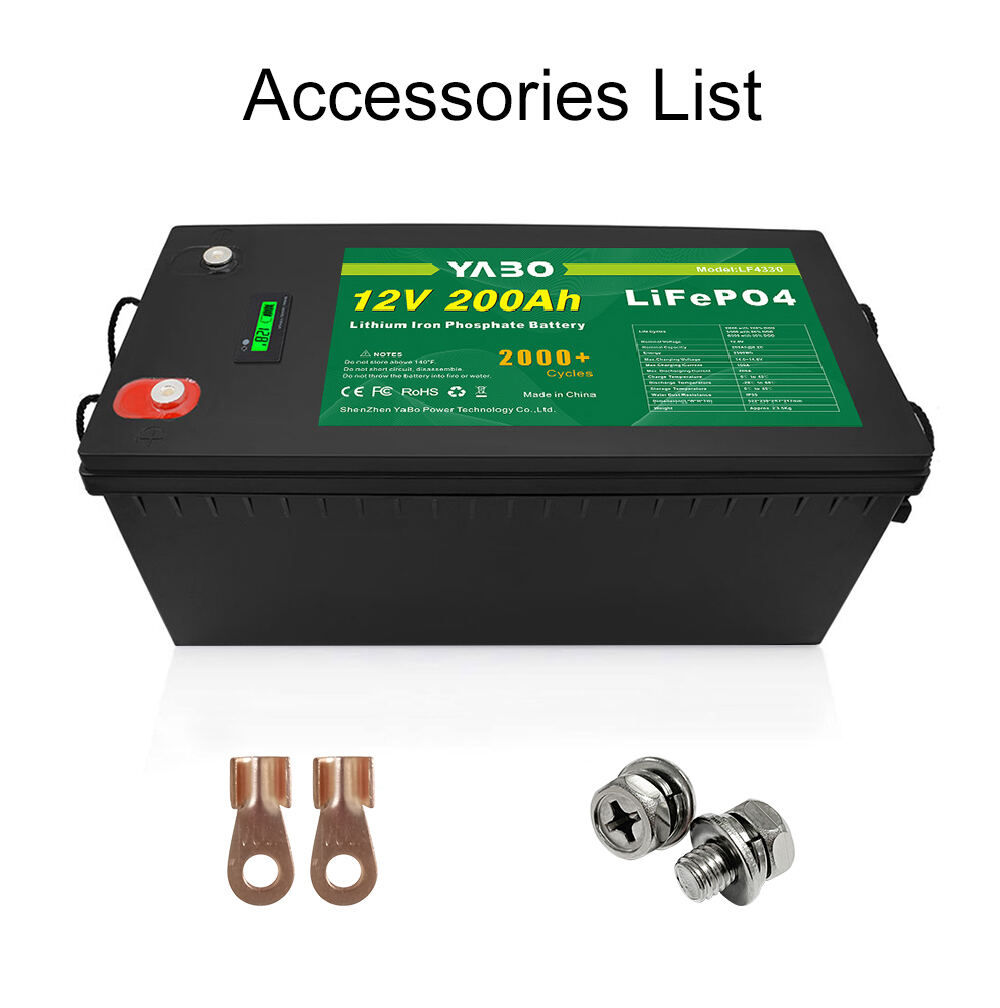
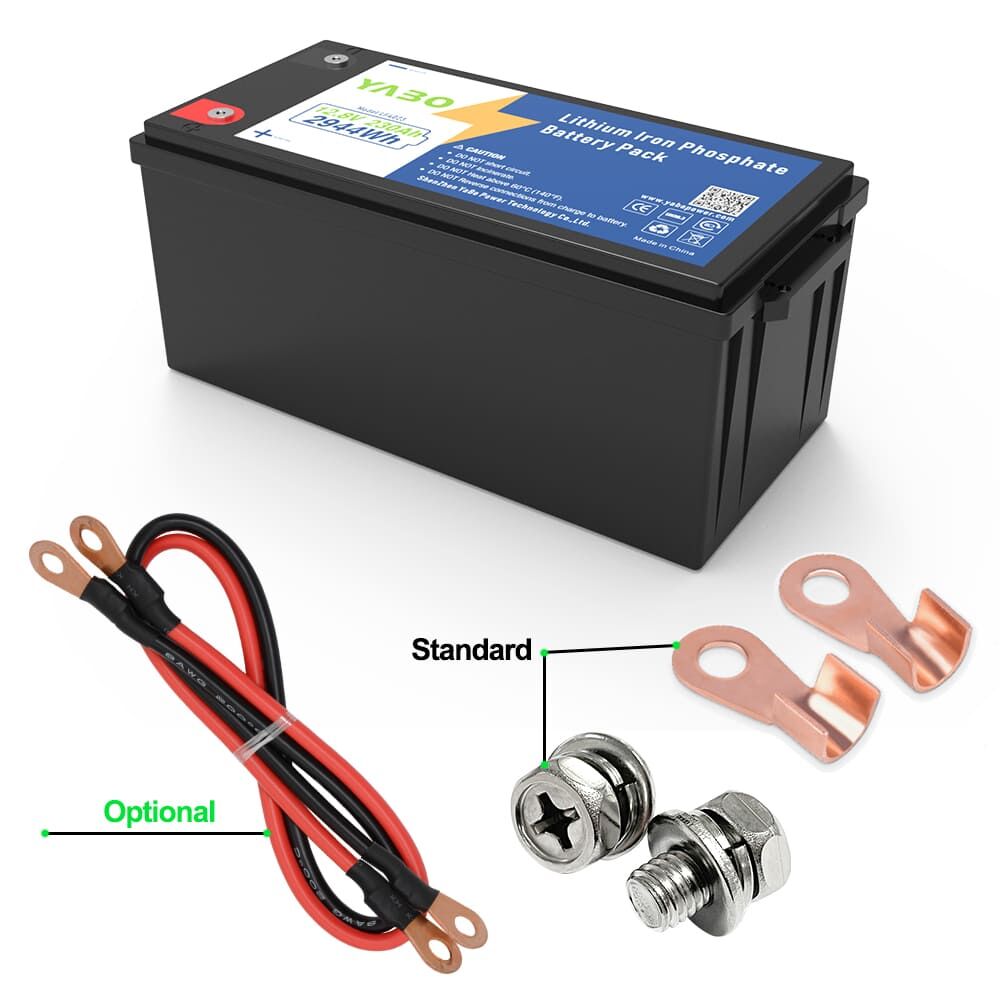
A lithium solar battery represents the cutting-edge evolution in renewable energy storage technology, designed specifically to harness and store solar power efficiently for residential, commercial, and industrial applications. This advanced energy storage solution combines lithium-ion battery chemistry with solar charging capabilities, creating a comprehensive power system that captures sunlight during peak hours and delivers consistent electricity when needed most. The lithium solar battery functions as the central component of solar energy systems, storing excess electricity generated by solar panels during daylight hours and releasing this stored energy during evening hours, cloudy days, or power outages. These sophisticated batteries utilize lithium iron phosphate or lithium-ion cells that offer superior energy density, extended cycle life, and enhanced safety features compared to traditional lead-acid alternatives. The technological architecture incorporates advanced battery management systems that monitor cell performance, regulate charging cycles, prevent overheating, and optimize energy distribution throughout the entire system. Modern lithium solar battery units feature intelligent monitoring capabilities, allowing users to track energy consumption patterns, battery health status, and charging efficiency through smartphone applications or web-based platforms. The integration process involves connecting the battery bank to solar panels through charge controllers, inverters, and monitoring equipment to create a seamless energy ecosystem. Applications span across residential homes seeking energy independence, commercial buildings reducing operational costs, off-grid installations requiring reliable power supply, backup power systems for critical facilities, and mobile applications such as recreational vehicles or marine vessels. The modular design allows for scalable installations, enabling users to expand their energy storage capacity based on evolving power requirements and budget considerations.
New Products

Lithium solar battery technology delivers exceptional value through multiple practical benefits that directly impact users' energy costs, reliability, and environmental footprint. The most significant advantage lies in the extended lifespan these batteries provide, typically lasting 10 to 15 years with thousands of charge cycles, compared to traditional batteries that require replacement every 3 to 5 years. This longevity translates into substantial cost savings over time, as users avoid frequent replacement expenses and maintenance requirements. The superior energy efficiency of lithium solar battery systems reaches up to 95 percent, meaning minimal energy loss during storage and retrieval processes, maximizing the value of every kilowatt-hour generated by solar panels. These batteries charge faster than conventional alternatives, often reaching full capacity within 2 to 4 hours of peak sunlight, ensuring optimal energy capture even on partially cloudy days. The compact and lightweight design makes installation easier and reduces structural requirements, allowing for flexible placement options in homes, businesses, or remote locations. Safety features represent another crucial advantage, as modern lithium solar battery units include built-in protection against overcharging, overheating, short circuits, and voltage fluctuations, providing peace of mind for users and protecting valuable electrical equipment. The maintenance-free operation eliminates the need for regular water refilling, terminal cleaning, or equalization charges required by traditional battery types, saving time and reducing ongoing operational costs. Temperature tolerance allows these batteries to perform effectively in various climate conditions, maintaining consistent power output whether in hot desert environments or cold winter months. The deep discharge capability enables users to utilize up to 90 percent of the stored energy without damaging the battery, compared to lead-acid batteries that should only be discharged to 50 percent capacity. Environmental benefits include zero toxic emissions, recyclable materials, and reduced carbon footprint, supporting sustainable energy goals while providing reliable power solutions for modern energy needs.

Tips And Tricks

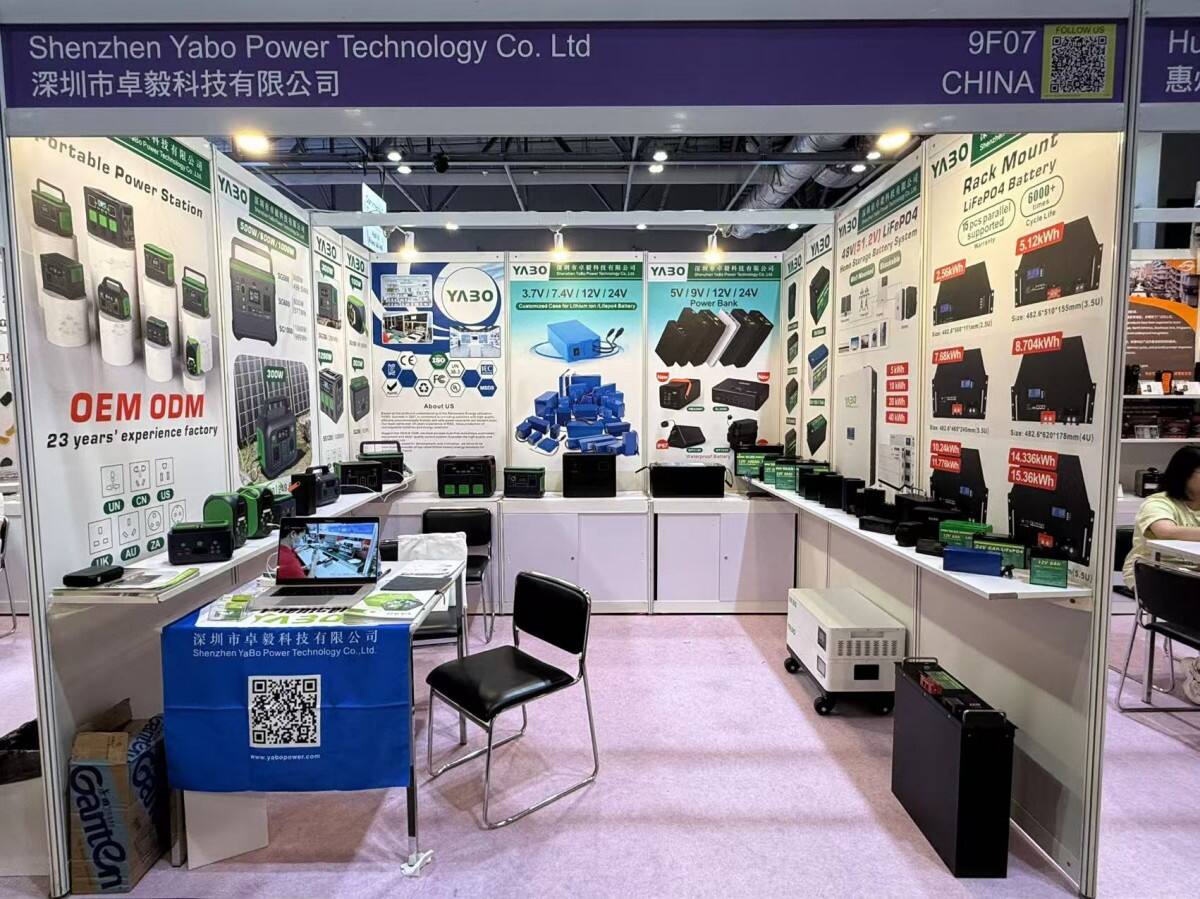
Yabo Power Shines at 2024 Hong Kong Global Sources Consumer Electronics Exhibition

25

Nov

Yabo Power Shines at 2024 Hong Kong Global Sources Consumer Electronics Exhibition

View More
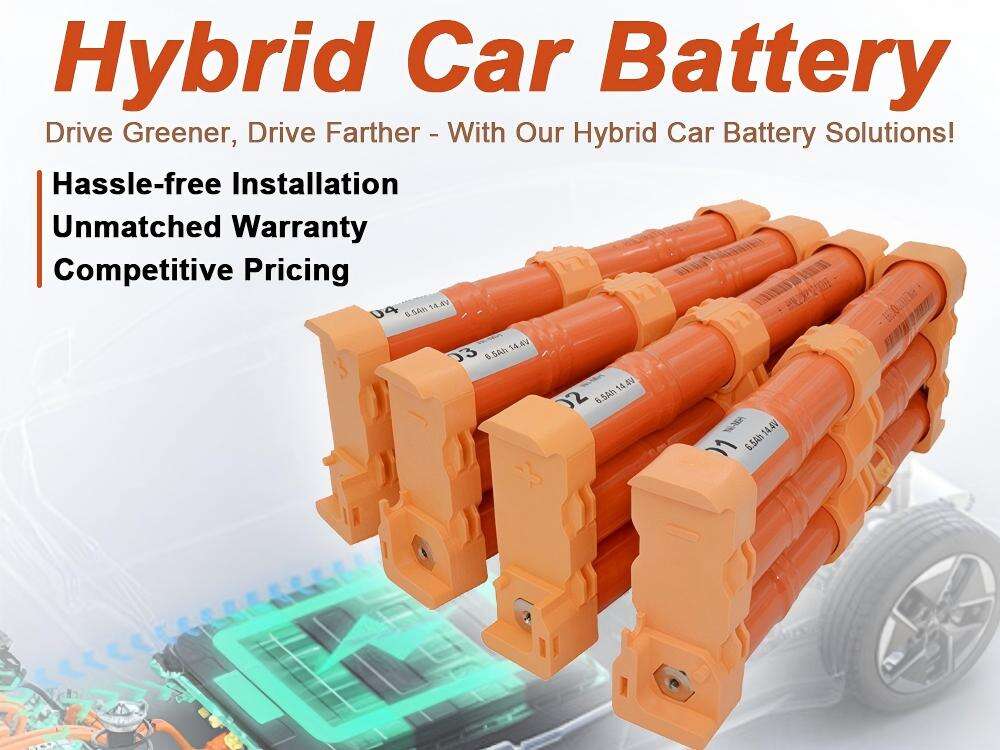
Hybrid Batteries: Everything You Need to Know

25

Nov

Hybrid Batteries: Everything You Need to Know

View More
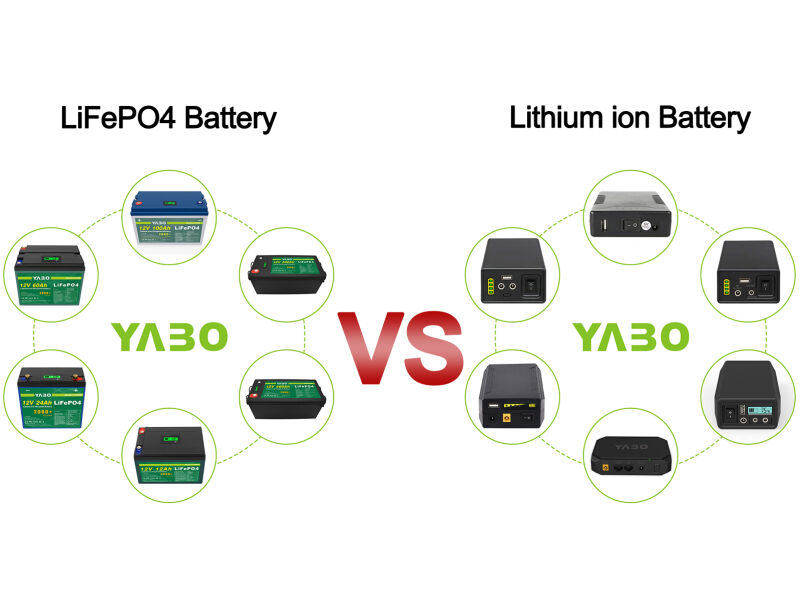
LiFePO4 vs. Traditional Lithium - Ion Batteries: Key Differences Shaping the Future of Energy Storage

25

Nov

LiFePO4 vs. Traditional Lithium - Ion Batteries: Key Differences Shaping the Future of Energy Storage

View More
YABO Power 2024 Annual Gala: A Night of Celebration, A Year of Determination

11

Dec

YABO Power 2024 Annual Gala: A Night of Celebration, A Year of Determination

View More

Get a Free Quote

Our representative will contact you soon.
Email
Name
Company Name
Message
0/1000

lithium solar battery

Advanced Battery Management System Technology

Advanced Battery Management System Technology

The sophisticated battery management system represents the technological heart of every high-quality lithium solar battery, providing intelligent control and monitoring capabilities that ensure optimal performance, safety, and longevity throughout the battery's operational life. This advanced system continuously monitors individual cell voltages, temperatures, and current flow to prevent dangerous conditions such as overcharging, over-discharging, or thermal runaway situations that could compromise battery safety or performance. The management system automatically balances cell charges across the entire battery pack, ensuring uniform power distribution and preventing premature degradation of weaker cells that could reduce overall system capacity. Real-time diagnostics provide instant alerts about battery health, charging status, energy consumption patterns, and potential maintenance needs through integrated display screens or smartphone applications. The system includes sophisticated algorithms that optimize charging curves based on environmental conditions, usage patterns, and battery age, maximizing energy storage efficiency while extending operational lifespan. Protection circuits automatically disconnect the battery from loads or charging sources when dangerous conditions are detected, preventing damage to both the battery and connected equipment. The communication protocols enable seamless integration with solar inverters, charge controllers, and home energy management systems, creating a cohesive ecosystem that maximizes energy utilization and cost savings. Temperature compensation features adjust charging parameters based on ambient conditions, ensuring optimal performance across various climate zones and seasonal variations. The system maintains detailed historical data about battery performance, enabling predictive maintenance scheduling and helping users optimize their energy storage strategies. Advanced power management capabilities include load prioritization features that automatically distribute available power to essential devices during low battery conditions, ensuring critical systems remain operational during extended periods without solar charging. The integration of artificial intelligence algorithms allows the system to learn user consumption patterns and optimize energy storage and distribution schedules automatically, reducing energy costs while maintaining reliable power supply for all connected loads.
Exceptional Cycle Life and Durability Performance

Exceptional Cycle Life and Durability Performance

The remarkable cycle life and durability characteristics of lithium solar battery technology represent one of the most compelling reasons for choosing these advanced energy storage solutions over traditional alternatives, delivering exceptional value through years of reliable service and consistent performance. Premium lithium solar battery systems typically provide between 6,000 to 10,000 charge and discharge cycles at 80 percent depth of discharge, translating to approximately 15 to 20 years of daily use under normal operating conditions. This extraordinary longevity stems from the advanced lithium iron phosphate chemistry that resists degradation, maintains stable voltage characteristics throughout the discharge curve, and withstands repeated cycling without significant capacity loss. The robust construction incorporates high-grade materials, precision manufacturing processes, and rigorous quality control standards that ensure consistent performance across thousands of operational cycles. Environmental resistance features protect the battery cells from moisture, dust, vibration, and temperature fluctuations that typically cause premature failure in conventional battery technologies. The extended warranty periods offered by reputable manufacturers, often spanning 10 years or more, demonstrate confidence in the durability and reliability of these advanced energy storage systems. Calendar life performance remains impressive even during periods of limited use, with lithium solar battery units retaining over 80 percent of their original capacity after decades of storage or intermittent operation. The ability to withstand partial state of charge conditions without sulfation or memory effects ensures optimal performance even when solar generation is inconsistent due to weather patterns or seasonal variations. Thermal stability across wide temperature ranges allows these batteries to maintain performance integrity in challenging environments, from desert installations exceeding 40 degrees Celsius to cold climate applications approaching freezing temperatures. The mechanical durability includes resistance to shock and vibration, making these batteries suitable for mobile applications such as recreational vehicles, boats, or off-grid installations in remote locations. Quality control processes during manufacturing ensure consistent cell matching, proper assembly techniques, and comprehensive testing protocols that identify potential issues before products reach customers, resulting in exceptionally low failure rates and reliable long-term performance that justifies the initial investment through years of dependable service.
Superior Energy Density and Space Efficiency

Superior Energy Density and Space Efficiency

The outstanding energy density and space efficiency characteristics of lithium solar battery technology provide significant practical advantages for users seeking maximum energy storage capacity within minimal physical footprint requirements, making these systems ideal for residential, commercial, and mobile applications where space constraints are important considerations. Modern lithium solar battery units deliver energy densities ranging from 150 to 250 watt-hours per kilogram, representing two to three times the energy storage capacity of equivalent lead-acid battery installations while occupying significantly less space and requiring reduced structural support requirements. This superior energy density translates directly into practical benefits for homeowners who can install comprehensive backup power systems in basement areas, utility rooms, or outdoor enclosures without dedicating extensive floor space or requiring structural reinforcements to support heavy battery banks. The compact form factor enables flexible installation options, including wall-mounted configurations, rack-mounted systems, or ground-level installations that integrate seamlessly with existing electrical infrastructure and architectural designs. Commercial applications benefit tremendously from the space efficiency, allowing businesses to implement substantial energy storage capacity within existing facilities without sacrificing valuable floor space that could otherwise generate revenue or serve operational purposes. The reduced weight characteristics simplify transportation, handling, and installation processes, reducing labor costs and eliminating the need for specialized lifting equipment typically required for traditional battery installations. Mobile applications such as recreational vehicles, boats, and off-grid cabins particularly benefit from the lightweight design that minimizes impact on vehicle weight limits while providing extended autonomous power capability for extended trips or remote installations. The modular design philosophy allows users to scale their energy storage capacity incrementally, adding additional battery units as power requirements grow without requiring complete system replacement or major infrastructure modifications. Thermal management efficiency results from the compact design and advanced cell chemistry, reducing cooling requirements and enabling installation in temperature-controlled environments without extensive ventilation systems. The streamlined profile and contemporary appearance make these battery systems suitable for visible installations where aesthetics matter, eliminating the need for unsightly enclosures or remote installation locations that complicate maintenance and monitoring activities.
Lithium Solar Battery: Advanced Energy Storage Solutions for Sustainable Power Independence

Get a Free Quote

Our representative will contact you soon.
Email
Name
Company Name
Message
0/1000