Deep Cycle Lithium Battery: Superior Performance and Long-Lasting Power Solutions

No.252 Pinglong East Road, Fenghuang Community, Pinghu Street, Longgang District, Shenzhen +86-18576759460 [email protected]

Get a Free Quote

Our representative will contact you soon.
Email
Name
Company Name
Message
0/1000

deep cycle lithium battery

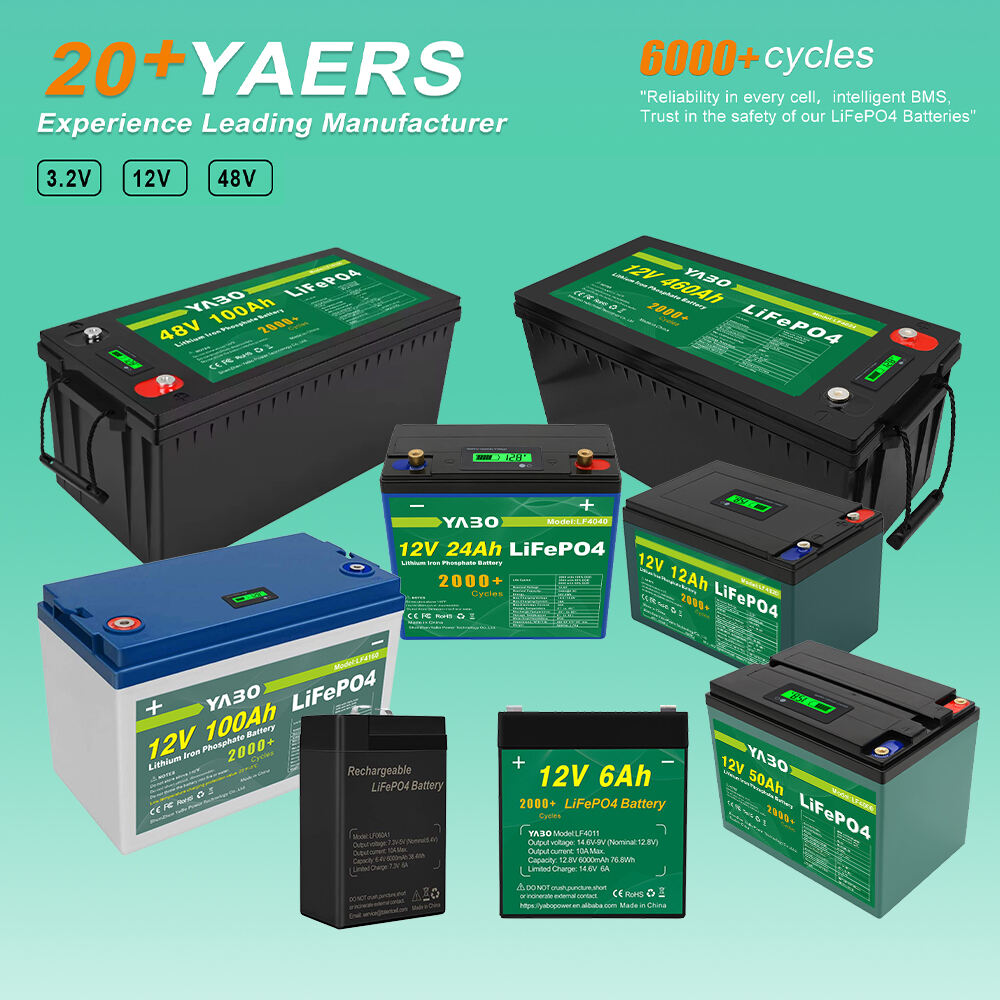
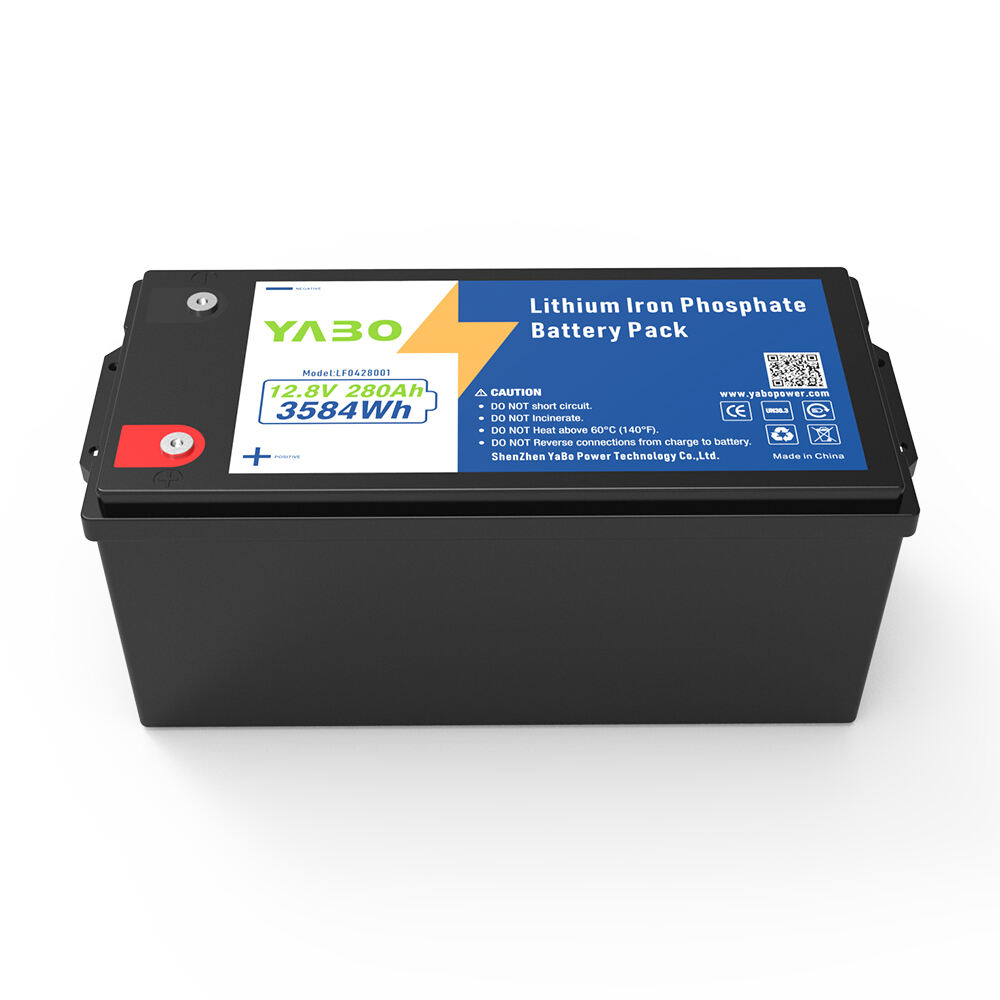
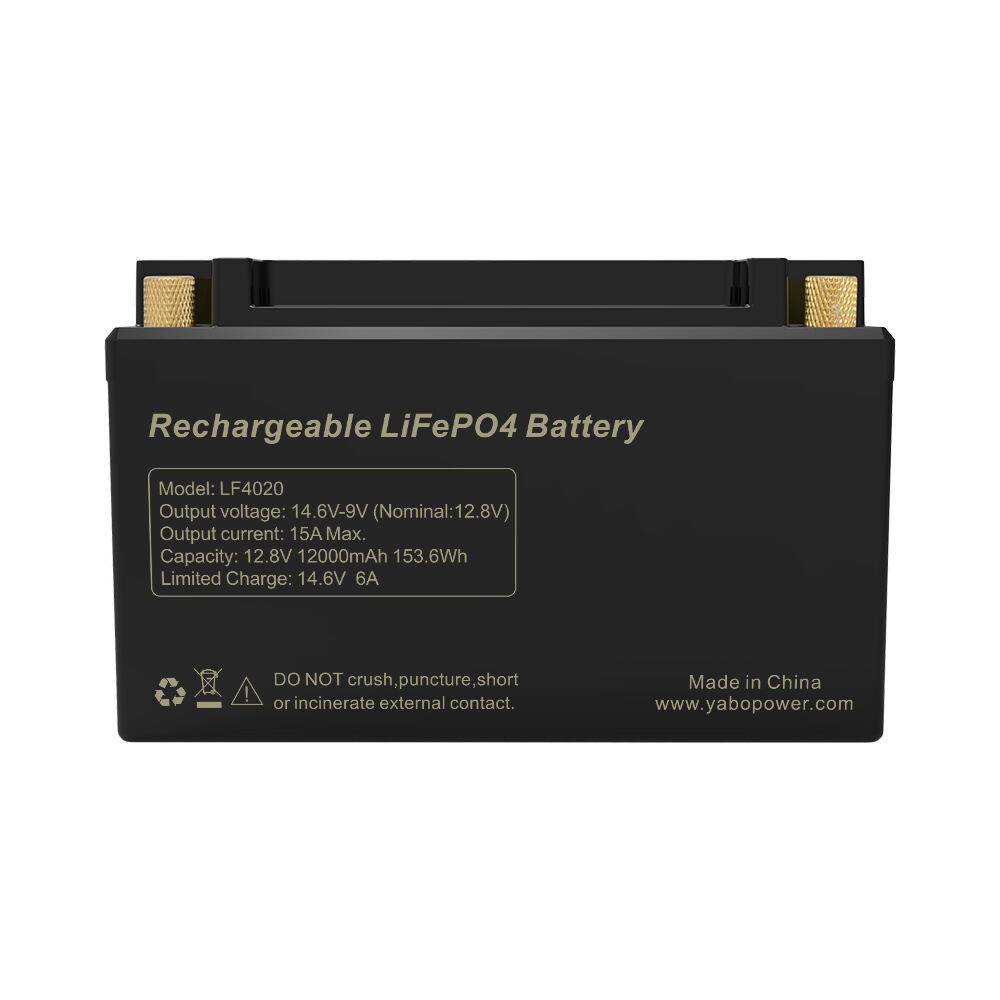
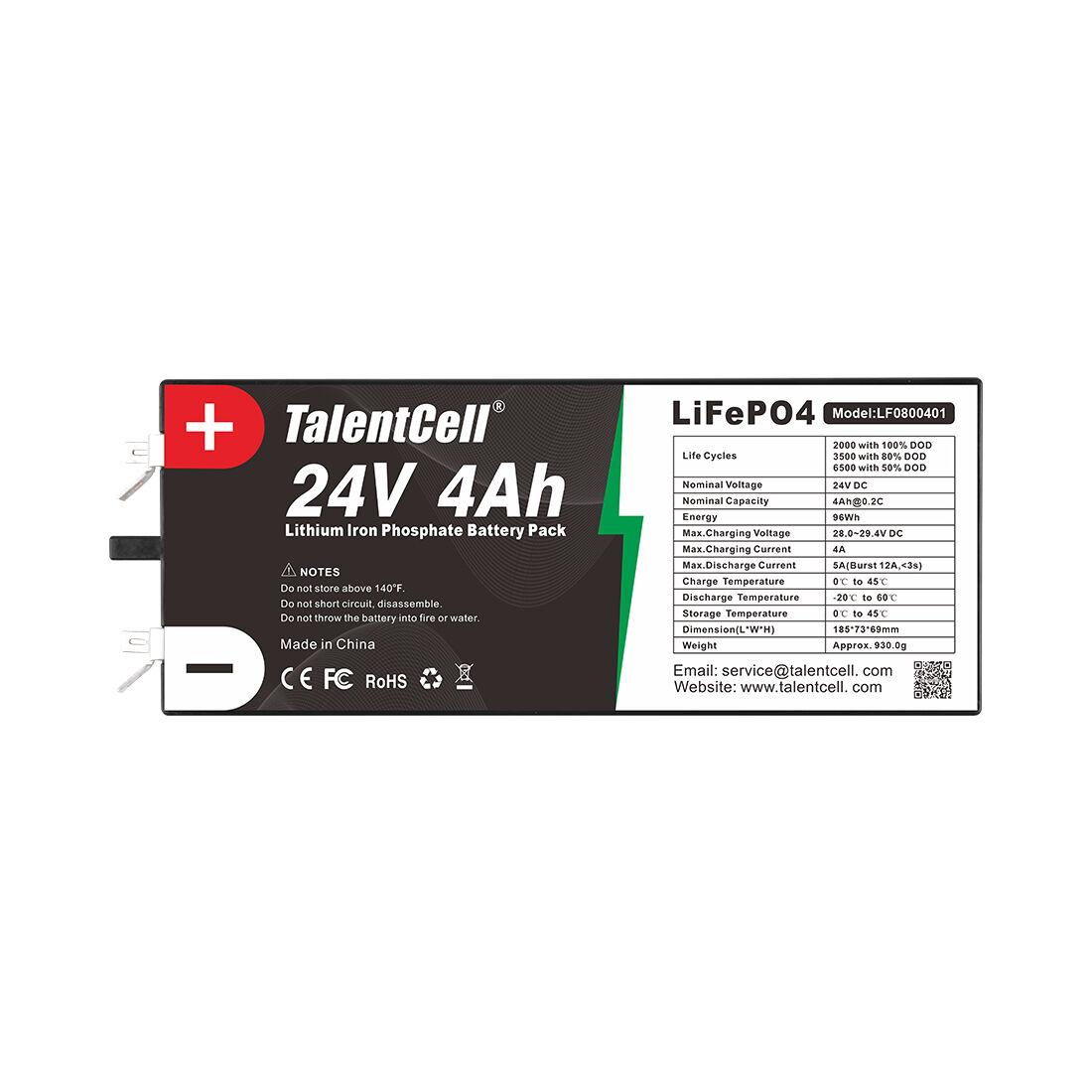
Deep cycle lithium batteries represent a revolutionary advancement in energy storage technology, designed specifically for applications requiring sustained power delivery over extended periods. Unlike traditional starting batteries that provide short bursts of high current, deep cycle lithium batteries excel at providing steady, reliable power while withstanding repeated charge and discharge cycles. These sophisticated energy storage systems utilize lithium iron phosphate chemistry, which offers superior performance characteristics compared to conventional lead-acid alternatives. The primary function of a deep cycle lithium battery centers on its ability to discharge up to 80-90 percent of its capacity without suffering permanent damage, making it ideal for applications where consistent power output is crucial. This technology incorporates advanced battery management systems that monitor individual cell voltages, temperatures, and current flow to ensure optimal performance and safety. The lightweight construction of deep cycle lithium batteries, typically 50-60 percent lighter than equivalent lead-acid units, makes them particularly attractive for mobile applications. Their compact design allows for flexible installation options while maintaining exceptional power density. Deep cycle lithium batteries find extensive applications across diverse industries, including recreational vehicles, marine vessels, solar energy systems, golf carts, and backup power solutions. In off-grid solar installations, these batteries store excess energy generated during peak sunlight hours for use during nighttime or cloudy conditions. Marine applications benefit from their resistance to vibration and ability to perform reliably in challenging environmental conditions. The technology behind deep cycle lithium batteries includes sophisticated thermal management systems that prevent overheating and ensure consistent performance across wide temperature ranges. Modern units feature integrated monitoring capabilities that provide real-time data on battery status, remaining capacity, and health indicators through smartphone applications or dedicated displays.
Popular Products

Deep cycle lithium batteries offer numerous compelling advantages that make them the preferred choice for demanding energy storage applications. The most significant benefit lies in their exceptional cycle life, with quality units delivering 3000 to 5000 charge cycles while maintaining over 80 percent of their original capacity. This longevity translates to substantially lower total cost of ownership compared to traditional alternatives that require replacement every 2-3 years. Users save money over time through reduced replacement costs and minimal maintenance requirements. The rapid charging capability of deep cycle lithium batteries allows them to reach 80 percent capacity in just 1-2 hours using appropriate charging equipment, compared to 8-12 hours required by lead-acid batteries. This fast charging feature proves invaluable for applications where downtime must be minimized, such as commercial operations or emergency backup systems. Deep cycle lithium batteries maintain consistent voltage output throughout their discharge cycle, providing stable power delivery until nearly depleted. This characteristic ensures connected equipment operates at optimal efficiency without experiencing performance degradation as battery capacity decreases. The absence of memory effect means users can partially charge or discharge these batteries without impacting their overall lifespan or capacity. Environmental benefits include zero toxic emissions during operation and 95 percent recyclability at end of life, making them an environmentally responsible choice. Deep cycle lithium batteries operate silently without producing harmful gases, allowing safe indoor installation without ventilation requirements. Their wide operating temperature range enables reliable performance in extreme conditions, from -20°F to 140°F, expanding their usability across various climates and applications. The maintenance-free design eliminates the need for regular water additions, specific gravity checks, or equalization charges required by lead-acid batteries. Users simply install and operate these batteries without ongoing maintenance concerns, reducing labor costs and improving reliability. Advanced safety features include built-in protection against overcharging, over-discharging, short circuits, and thermal runaway, providing peace of mind for users concerned about safety risks associated with energy storage systems.

Practical Tips

Yabo Power Shines at 2024 Hong Kong Global Sources Consumer Electronics Exhibition

25

Nov

Yabo Power Shines at 2024 Hong Kong Global Sources Consumer Electronics Exhibition

View More
LiFePO4 vs. Traditional Lithium - Ion Batteries: Key Differences Shaping the Future of Energy Storage

25

Nov

LiFePO4 vs. Traditional Lithium - Ion Batteries: Key Differences Shaping the Future of Energy Storage

View More
Basic Things to Know About LiFePO4 Batteries

27

Nov

Basic Things to Know About LiFePO4 Batteries

View More
YABO Power 2024 Annual Gala: A Night of Celebration, A Year of Determination

11

Dec

YABO Power 2024 Annual Gala: A Night of Celebration, A Year of Determination

View More

Get a Free Quote

Our representative will contact you soon.
Email
Name
Company Name
Message
0/1000

deep cycle lithium battery

Superior Cycle Life and Long-Term Reliability

Superior Cycle Life and Long-Term Reliability

The exceptional cycle life of deep cycle lithium batteries represents their most compelling advantage, delivering unmatched durability and long-term value for users across all applications. Premium deep cycle lithium battery units provide 3000 to 5000 complete charge and discharge cycles while retaining 80 percent or more of their original capacity, compared to 300-500 cycles typical of traditional lead-acid batteries. This dramatic improvement in longevity stems from the advanced lithium iron phosphate chemistry and sophisticated battery management systems that prevent damaging operating conditions. Each cycle represents a complete discharge to the recommended depth followed by full recharging, meaning a deep cycle lithium battery used daily can operate effectively for 8-12 years under normal conditions. The financial implications of this extended lifespan are substantial, as users avoid frequent replacement costs and associated labor expenses. For commercial operations, this reliability translates to reduced downtime and increased productivity, as equipment remains operational without unexpected battery failures. The consistent performance throughout the battery's lifespan ensures that applications maintain their intended functionality without gradual degradation in power output or capacity. Deep cycle lithium batteries maintain their rated capacity and performance characteristics even after thousands of cycles, unlike lead-acid alternatives that experience significant capacity loss over time. This reliability proves particularly valuable in critical applications such as medical equipment, telecommunications systems, and emergency lighting where consistent power delivery is essential. The predictable performance characteristics allow users to plan maintenance schedules and budget for eventual replacement without surprises. Advanced monitoring systems in modern deep cycle lithium battery units provide real-time data on cycle count, capacity retention, and overall health, enabling proactive maintenance decisions and extending operational life further.
Rapid Charging Technology and Efficiency

Rapid Charging Technology and Efficiency

The rapid charging capability of deep cycle lithium batteries revolutionizes energy storage applications by dramatically reducing charging times and improving operational efficiency. Modern deep cycle lithium battery systems can accept charge rates up to 1C, meaning they reach 80 percent capacity in just one hour when using appropriate charging equipment. This represents a 5-8 times improvement over lead-acid batteries that require 8-12 hours for complete charging cycles. The ability to rapidly recharge proves invaluable for applications where equipment downtime must be minimized, such as material handling equipment, electric vehicles, and backup power systems. Fleet operators benefit significantly from rapid charging capabilities, as vehicles can return to service quickly during shift changes or break periods rather than remaining idle for extended charging cycles. The high charging efficiency of deep cycle lithium batteries, typically 95-98 percent, means minimal energy waste during the charging process compared to 80-85 percent efficiency of lead-acid alternatives. This efficiency translates to lower electricity costs and reduced environmental impact over the battery's operational life. Advanced charging algorithms built into deep cycle lithium battery management systems optimize the charging process by adjusting current and voltage based on battery temperature, state of charge, and cell balance conditions. This intelligent charging approach maximizes battery life while maintaining rapid charging speeds and ensuring safety. The ability to accept partial charges without negative effects allows users to top off deep cycle lithium batteries whenever convenient, maintaining high state of charge for unexpected power demands. Solar energy applications particularly benefit from rapid charging characteristics, as deep cycle lithium batteries can quickly absorb excess energy during peak production hours and provide power when sunlight is unavailable. The consistent charging acceptance throughout the battery's life ensures rapid charging capabilities remain available even after thousands of cycles, unlike lead-acid batteries that develop internal resistance and slower charging times as they age.
Compact Design and Weight Reduction Benefits

Compact Design and Weight Reduction Benefits

The compact, lightweight design of deep cycle lithium batteries delivers significant advantages for space-constrained and weight-sensitive applications while maintaining superior energy density compared to traditional alternatives. A typical deep cycle lithium battery weighs 50-60 percent less than an equivalent capacity lead-acid unit, dramatically reducing overall system weight and improving handling characteristics. This weight reduction proves particularly beneficial for mobile applications such as recreational vehicles, boats, and portable power systems where every pound affects performance, fuel economy, and ease of transportation. The compact form factor allows deep cycle lithium batteries to fit into smaller spaces while delivering equivalent or greater energy storage capacity, maximizing available space for other equipment or cargo. Marine applications benefit significantly from weight reduction, as lighter batteries improve vessel performance, reduce fuel consumption, and allow for better weight distribution. The space savings enable boat designers to optimize layouts and provide additional storage or living space for passengers. Recreational vehicle owners appreciate the weight reduction for improved towing capacity and fuel efficiency while gaining more storage space inside their vehicles. The robust construction of deep cycle lithium batteries maintains structural integrity despite their lighter weight, with impact-resistant cases that protect internal components from vibration and shock. Advanced thermal management systems built into compact designs ensure optimal operating temperatures without requiring additional cooling equipment or ventilation space. The modular design of many deep cycle lithium battery systems allows users to scale capacity by connecting multiple units while maintaining compact installations. Installation flexibility increases due to the ability to mount deep cycle lithium batteries in various orientations without performance concerns, unlike lead-acid batteries that require upright positioning to prevent electrolyte spillage. The sealed construction eliminates requirements for ventilation systems or battery boxes with acid-resistant materials, simplifying installation and reducing system complexity. Professional installers benefit from the reduced physical demands of handling lighter deep cycle lithium batteries, improving safety and reducing labor time for installations and maintenance activities.
Deep Cycle Lithium Battery: Superior Performance and Long-Lasting Power Solutions

Get a Free Quote

Our representative will contact you soon.
Email
Name
Company Name
Message
0/1000