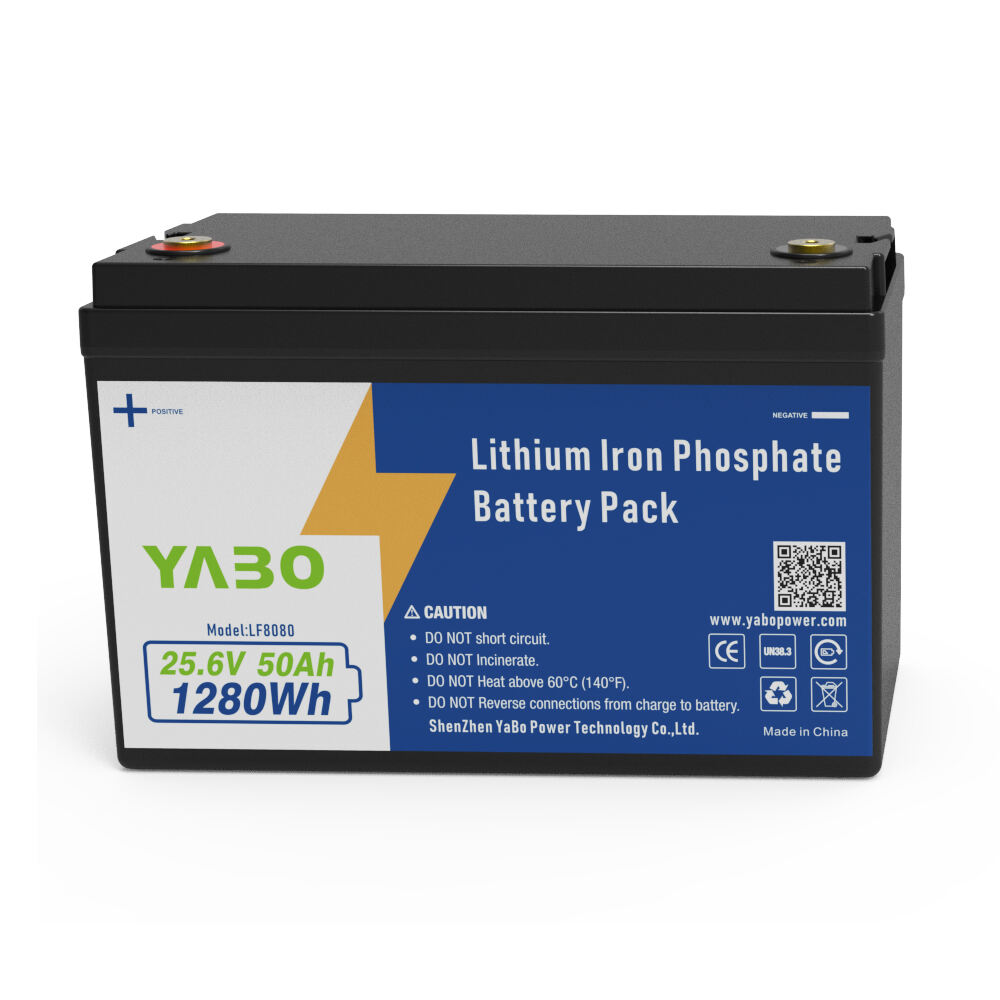
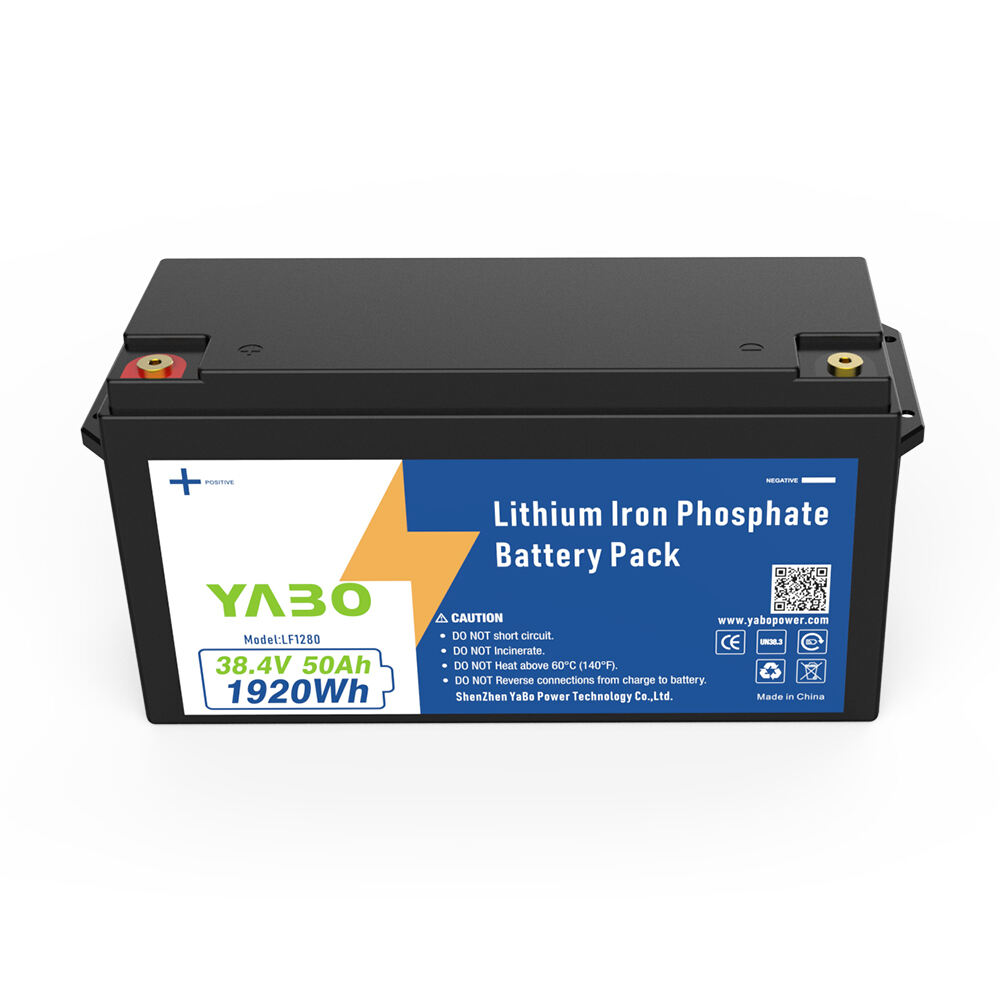
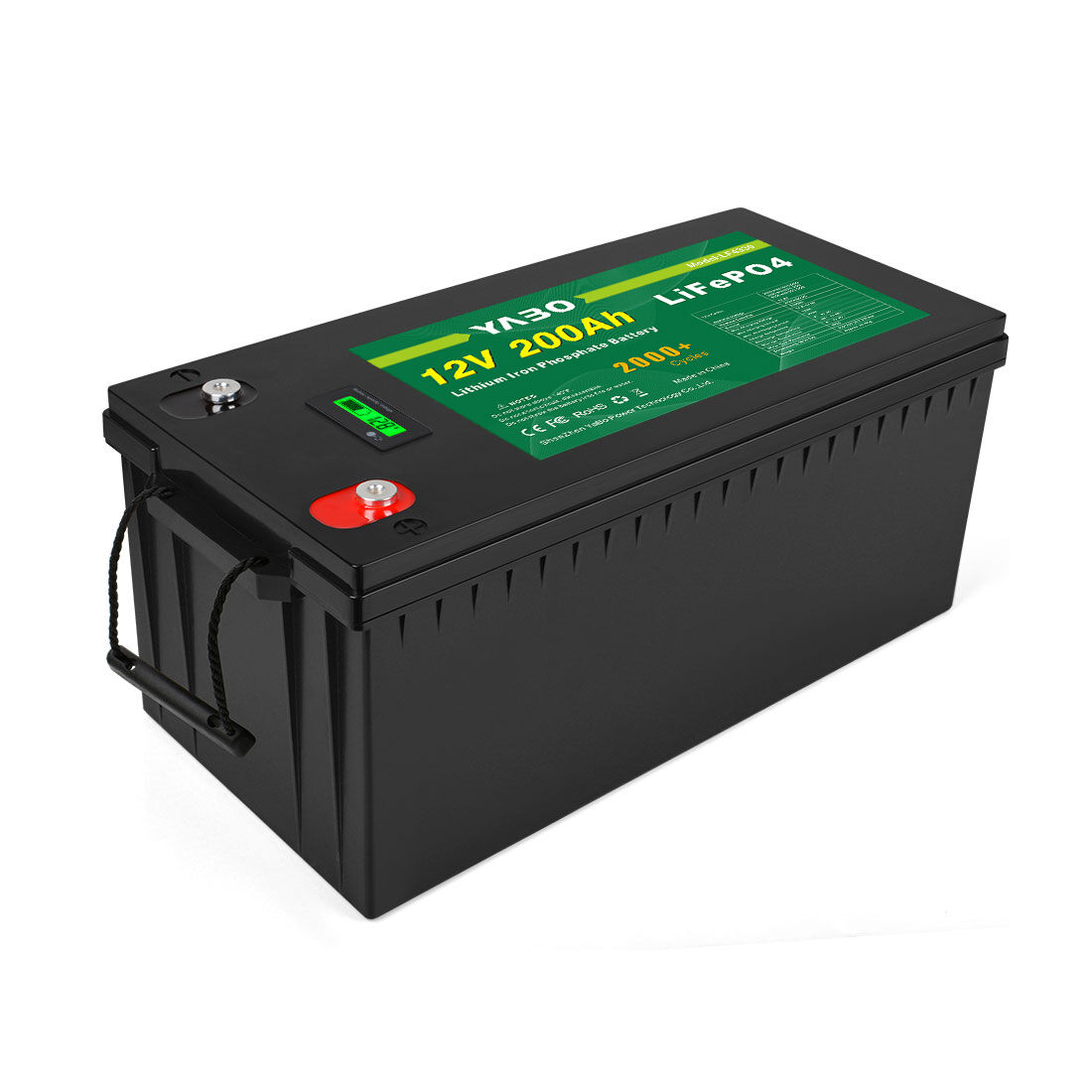
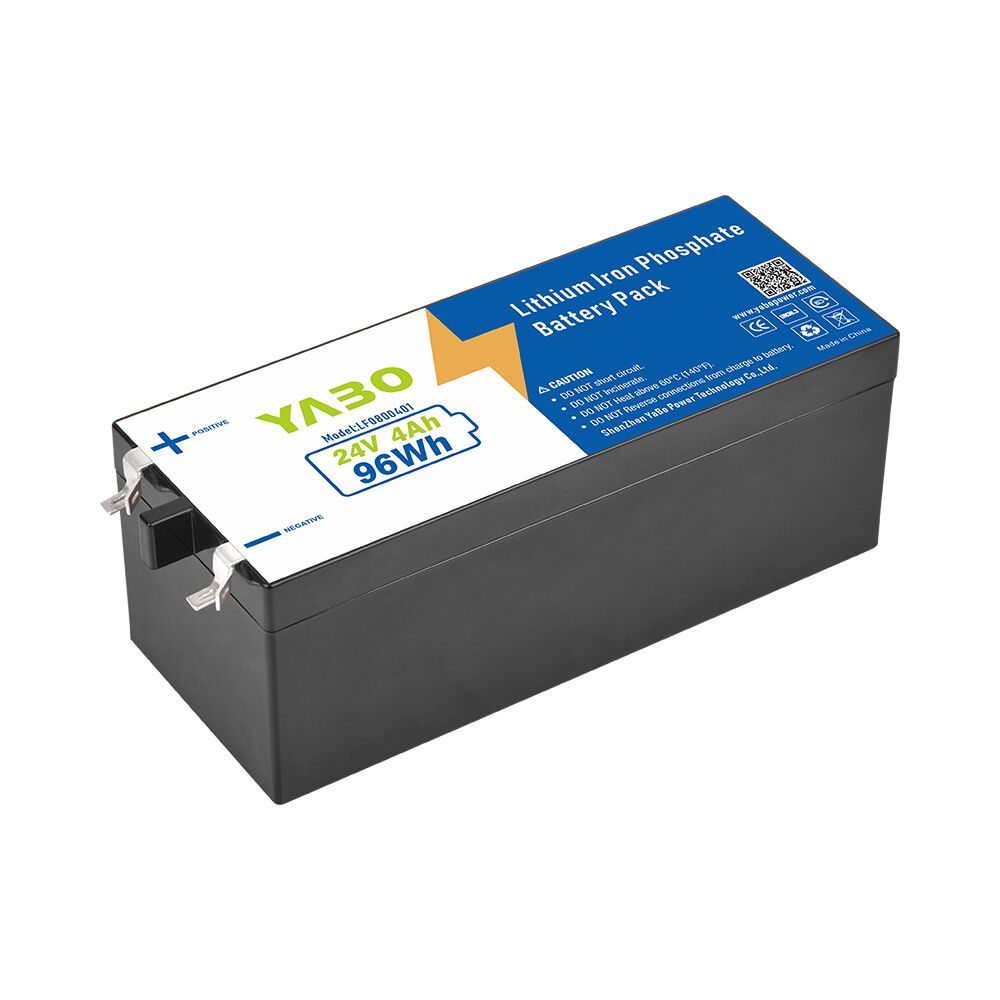
deep cycle lithium iron phosphate battery pack
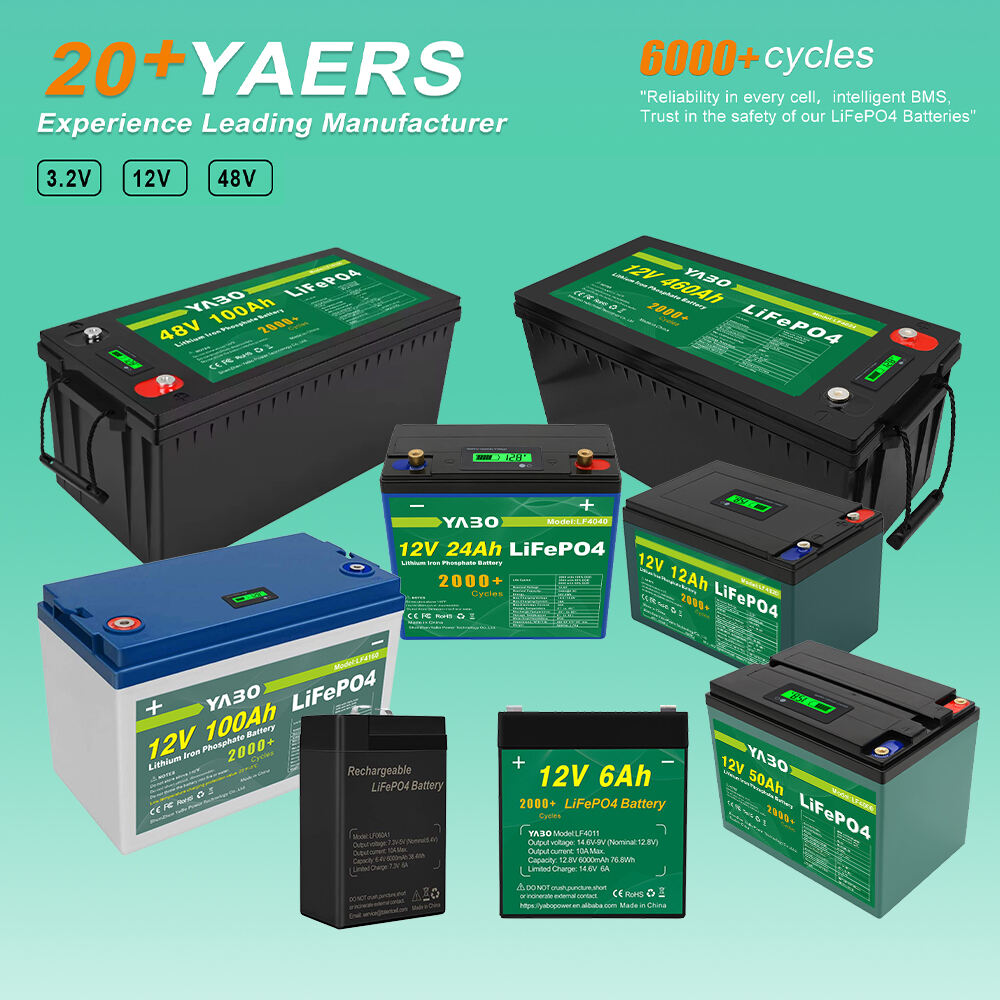
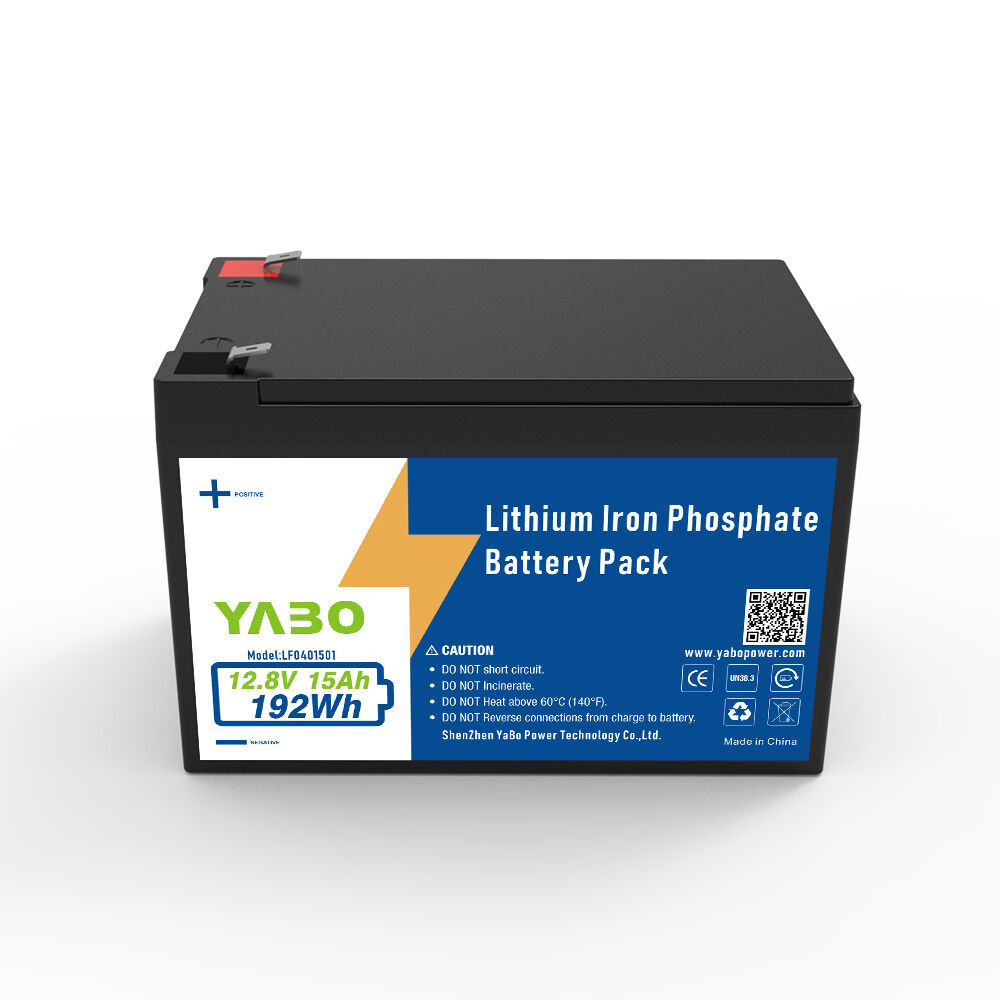
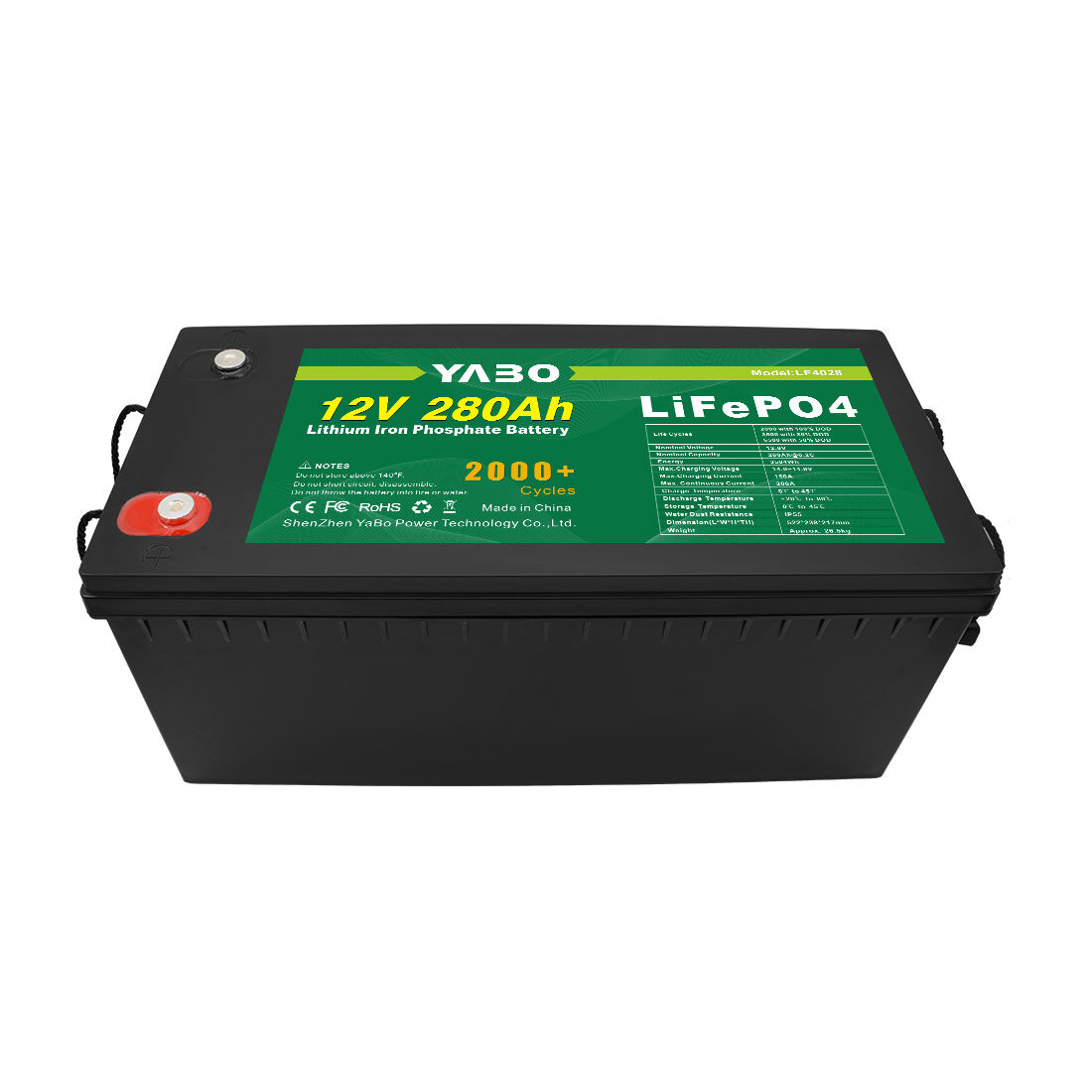
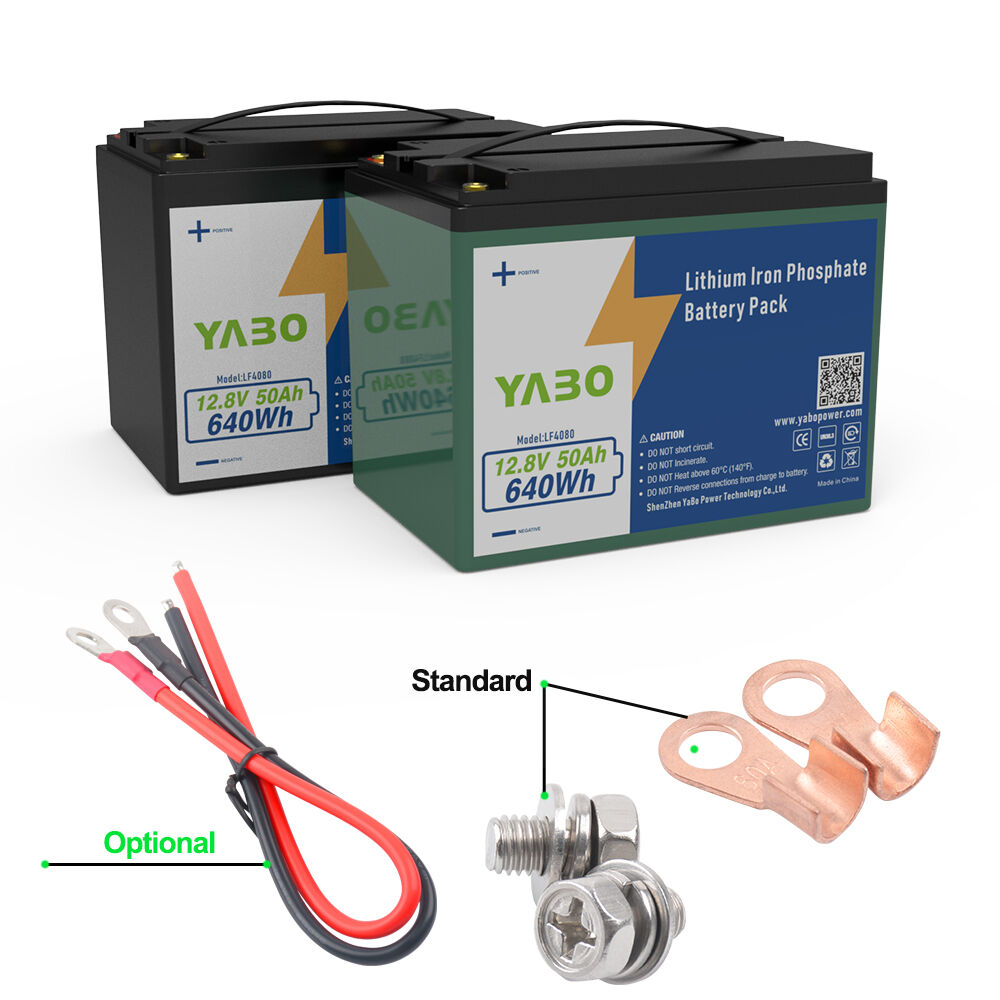
A deep cycle lithium iron phosphate battery pack represents a revolutionary energy storage solution that combines cutting-edge battery chemistry with robust engineering design. These sophisticated power systems utilize lithium iron phosphate (LiFePO4) cathode technology to deliver exceptional performance characteristics that surpass traditional lead-acid and other lithium battery alternatives. The deep cycle lithium iron phosphate battery pack stands as a testament to modern energy storage innovation, providing reliable, efficient, and long-lasting power for diverse applications ranging from recreational vehicles to renewable energy systems. The fundamental architecture of these battery packs involves multiple lithium iron phosphate cells connected in series and parallel configurations to achieve desired voltage and capacity specifications. Each deep cycle lithium iron phosphate battery pack incorporates advanced battery management systems that monitor cell voltage, temperature, and current flow to ensure optimal performance and safety. The phosphate-based cathode material provides inherent thermal stability and eliminates the risk of thermal runaway that plagues other lithium chemistries. These battery packs excel in applications requiring frequent deep discharge cycles, making them ideal for off-grid solar installations, marine applications, electric vehicles, and backup power systems. The deep cycle lithium iron phosphate battery pack technology offers superior cycle life, typically exceeding 3000 charge-discharge cycles at 80 percent depth of discharge. Modern manufacturing processes ensure consistent quality and performance across individual cells within each pack. Integration capabilities allow these battery systems to seamlessly connect with inverters, charge controllers, and monitoring equipment. The modular design of deep cycle lithium iron phosphate battery pack systems enables scalable energy storage solutions that can grow with changing power requirements. Environmental considerations make these battery packs attractive alternatives to traditional technologies, as they contain no toxic heavy metals and demonstrate excellent recyclability potential.


 EN
EN