energy storage battery
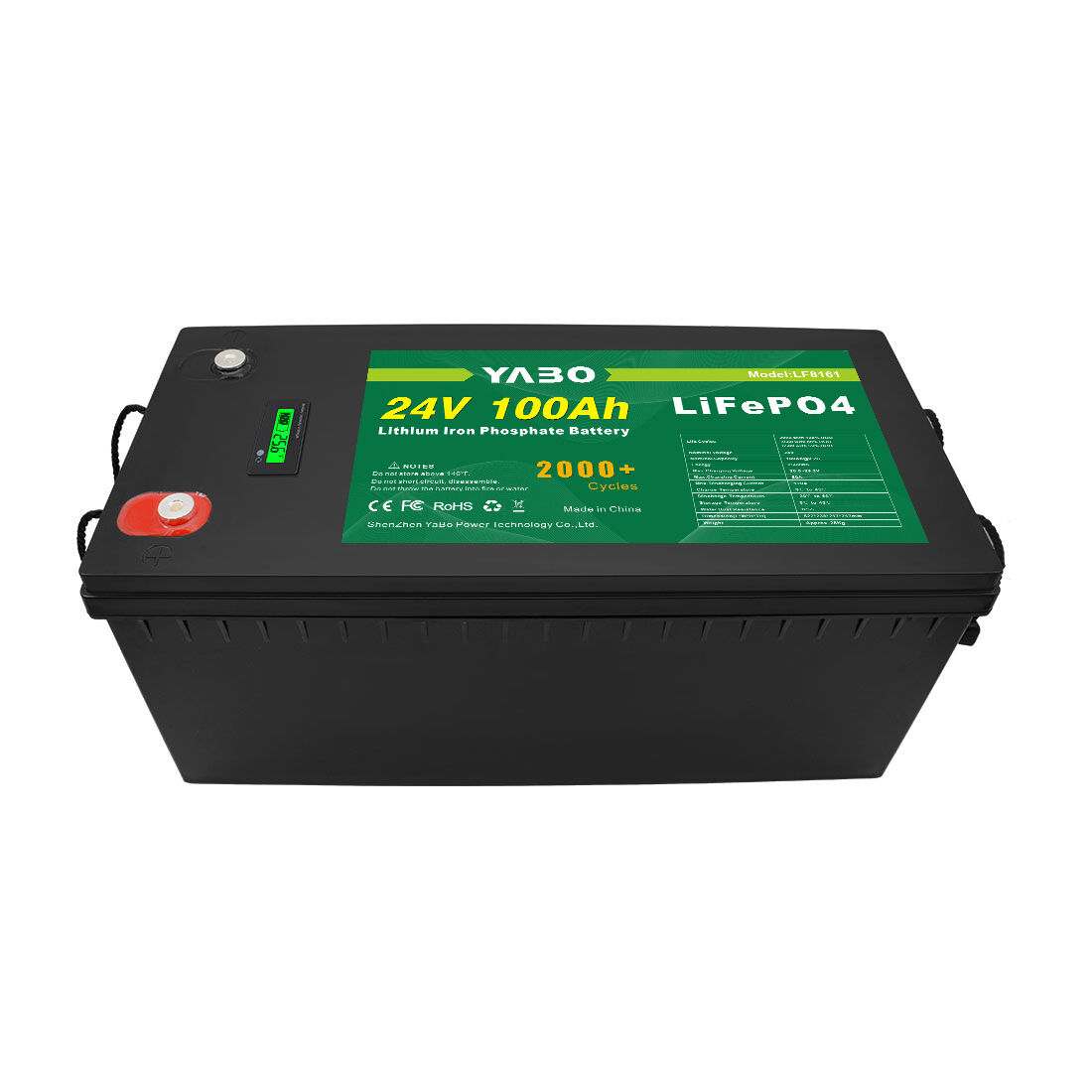
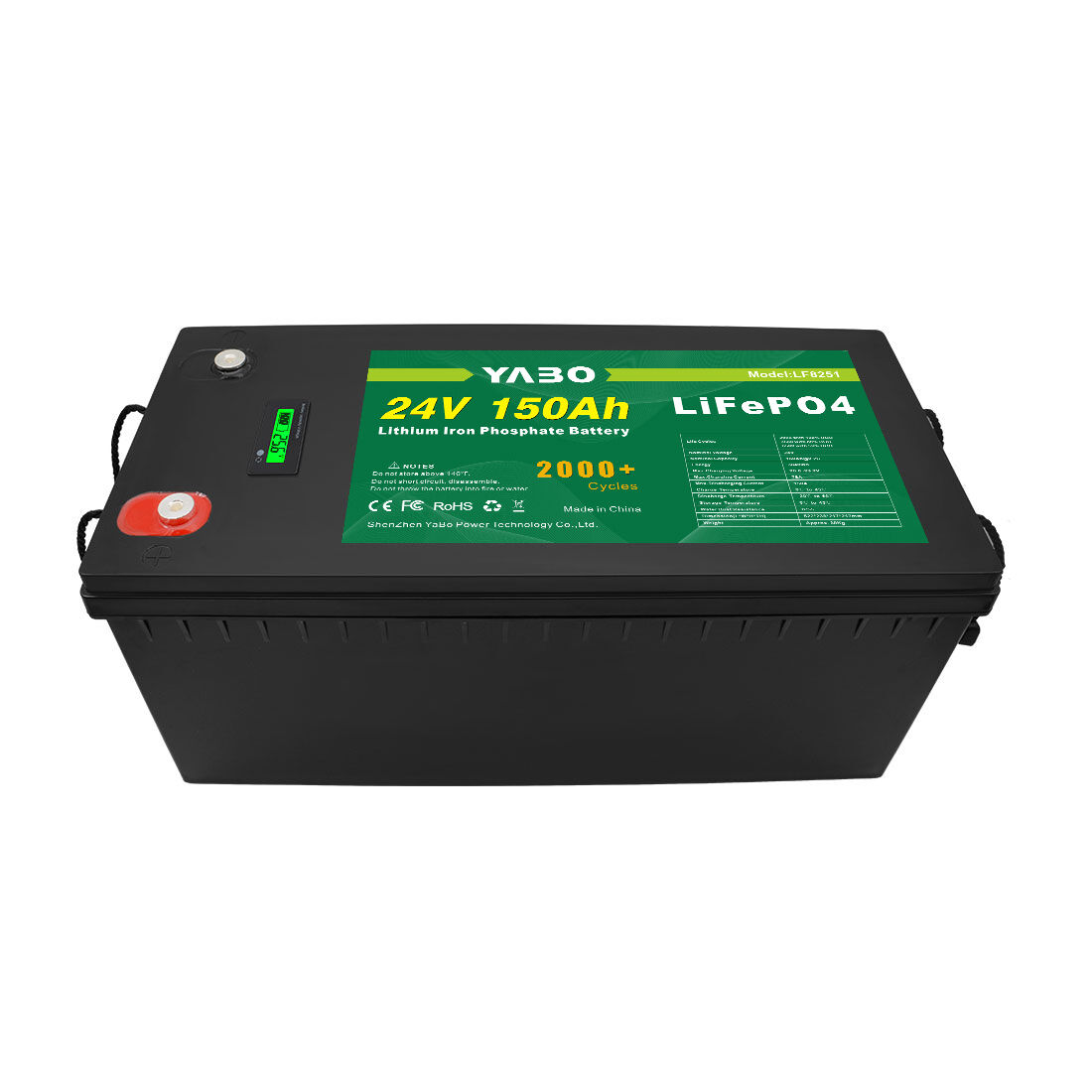
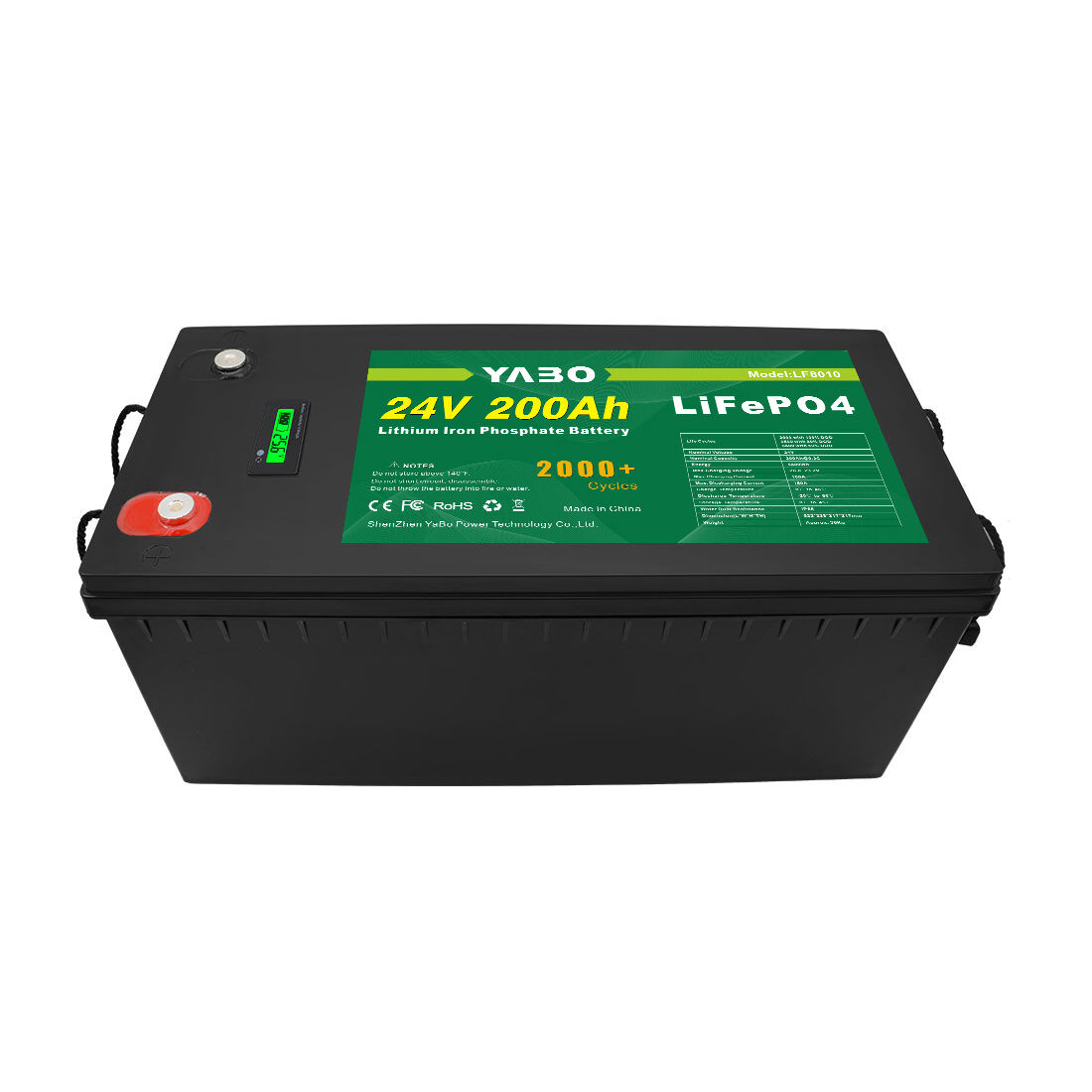
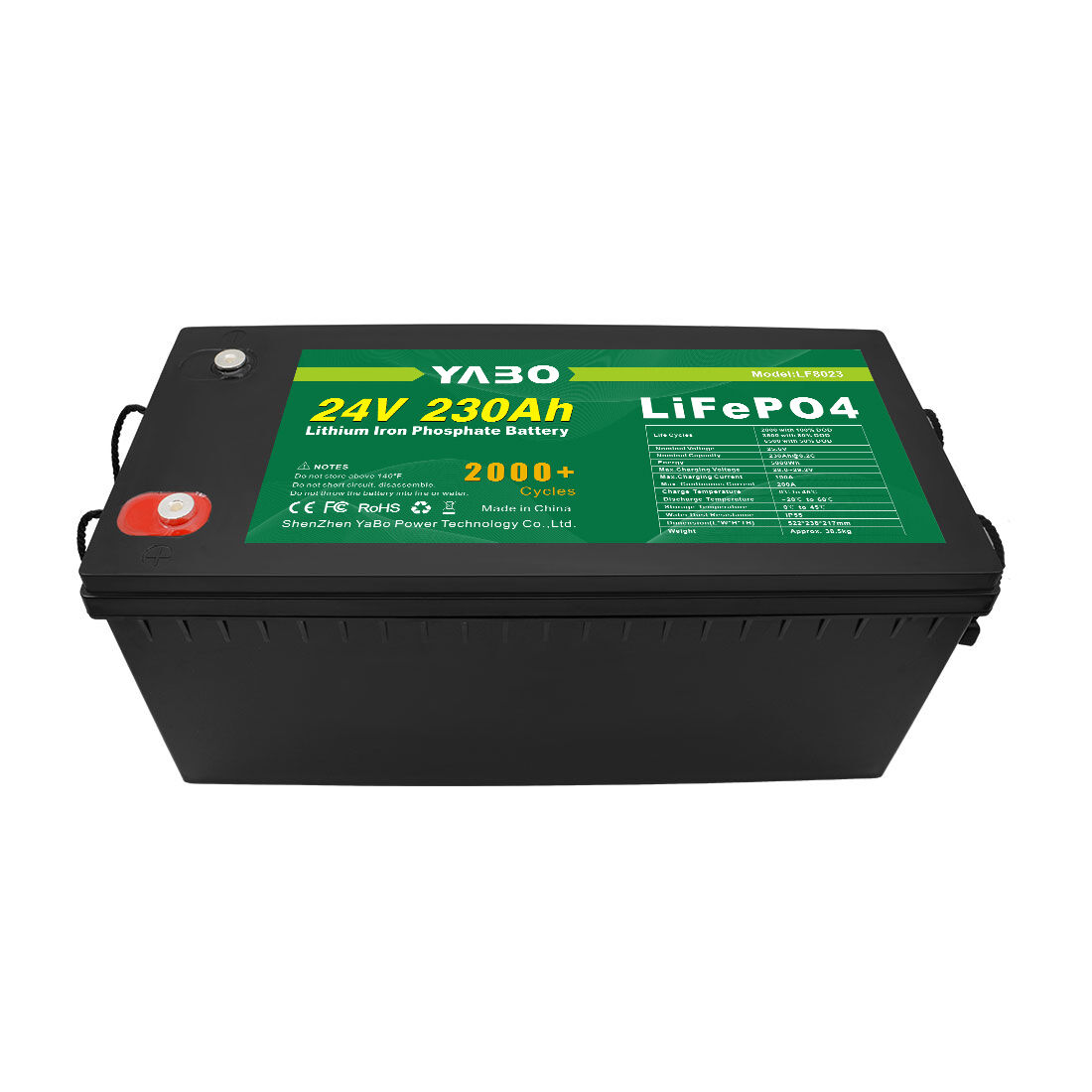
Energy storage battery systems represent a revolutionary advancement in modern power management technology, designed to capture, store, and distribute electrical energy efficiently across various applications. These sophisticated devices function as electrical reservoirs that collect energy during periods of low demand or abundant generation and release it when power requirements peak or supply becomes limited. The core mechanism involves converting electrical energy into chemical energy through electrochemical processes, storing it safely within specialized cell configurations, and converting it back to usable electricity on demand. Energy storage battery technology encompasses multiple chemistries including lithium-ion, lead-acid, sodium-ion, and emerging solid-state variants, each offering distinct performance characteristics tailored to specific operational requirements. The primary functions extend beyond simple energy retention to include grid stabilization, load balancing, backup power provision, and renewable energy integration. Modern energy storage battery systems incorporate intelligent management systems that monitor cell health, optimize charging cycles, prevent overheating, and ensure safe operation under varying environmental conditions. These systems demonstrate exceptional scalability, ranging from compact residential units storing several kilowatt-hours to massive utility-scale installations capable of storing hundreds of megawatt-hours. The technological architecture typically includes battery cells, battery management systems, thermal regulation components, power conversion electronics, and protective enclosures designed to withstand diverse operating environments. Applications span residential solar integration, commercial peak shaving, industrial backup power, electric vehicle charging infrastructure, and grid-scale renewable energy storage. The modular design philosophy allows seamless expansion as energy requirements grow, while advanced monitoring capabilities provide real-time performance data and predictive maintenance alerts. Safety features include multiple protection layers against overcurrent, overvoltage, thermal runaway, and physical damage, ensuring reliable operation throughout extended service lifespans that often exceed twenty years with proper maintenance protocols.


 EN
EN