off grid energy solutions
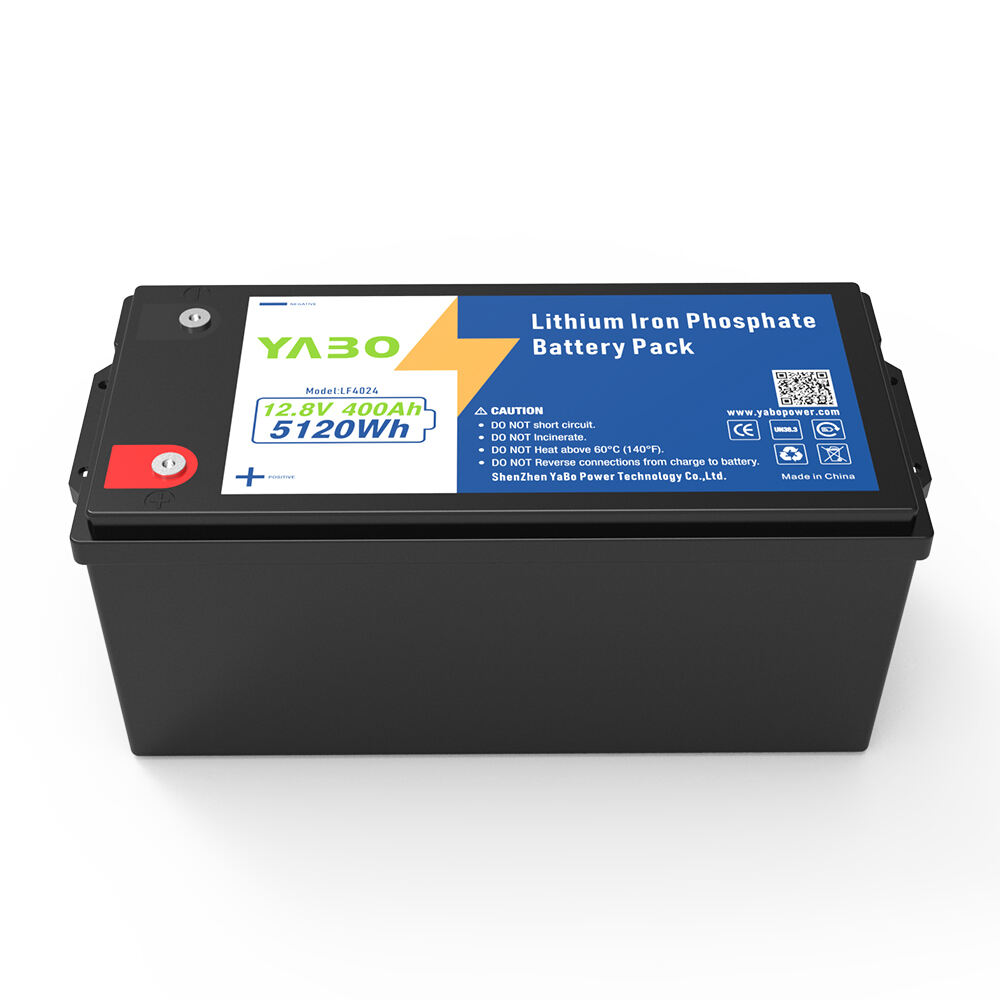
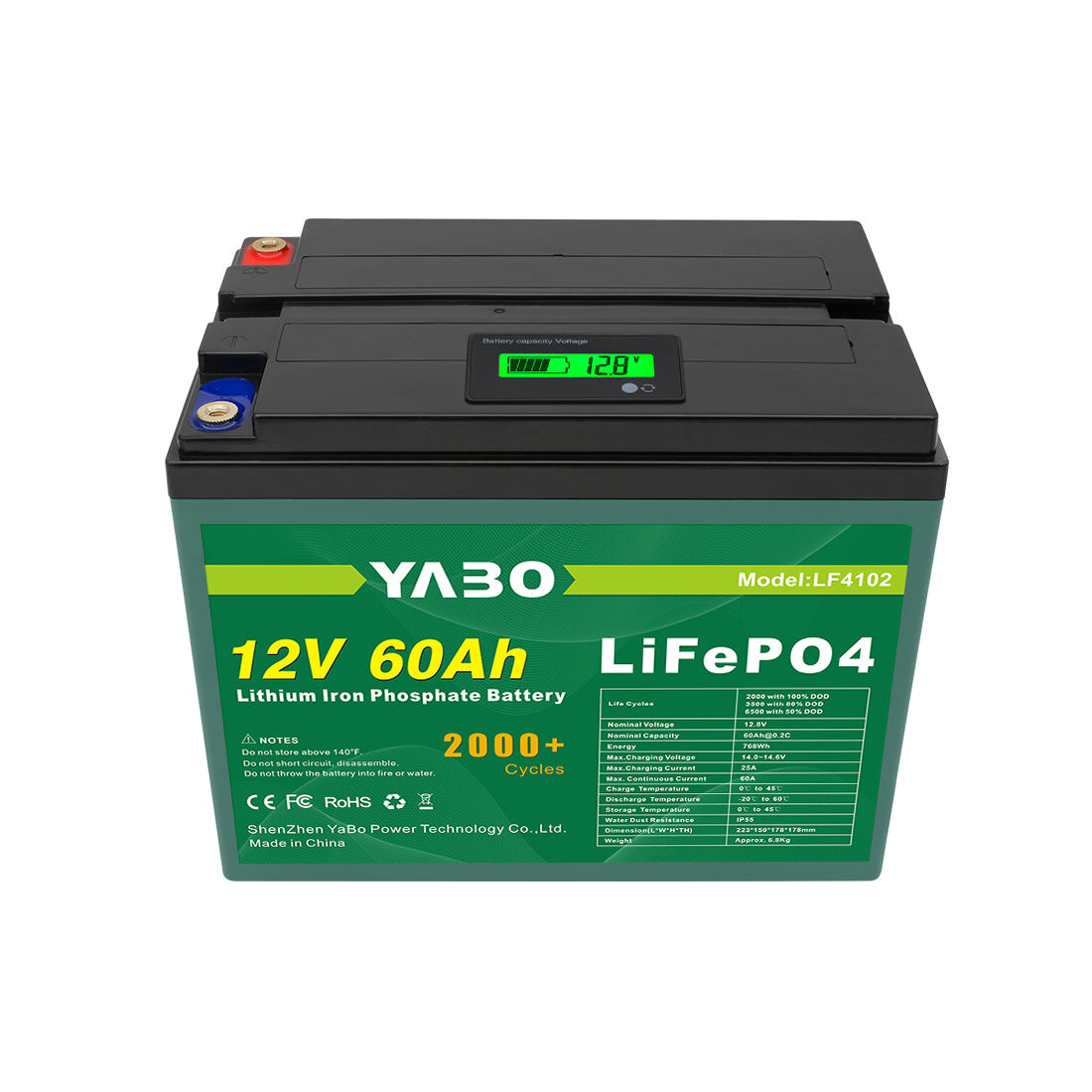
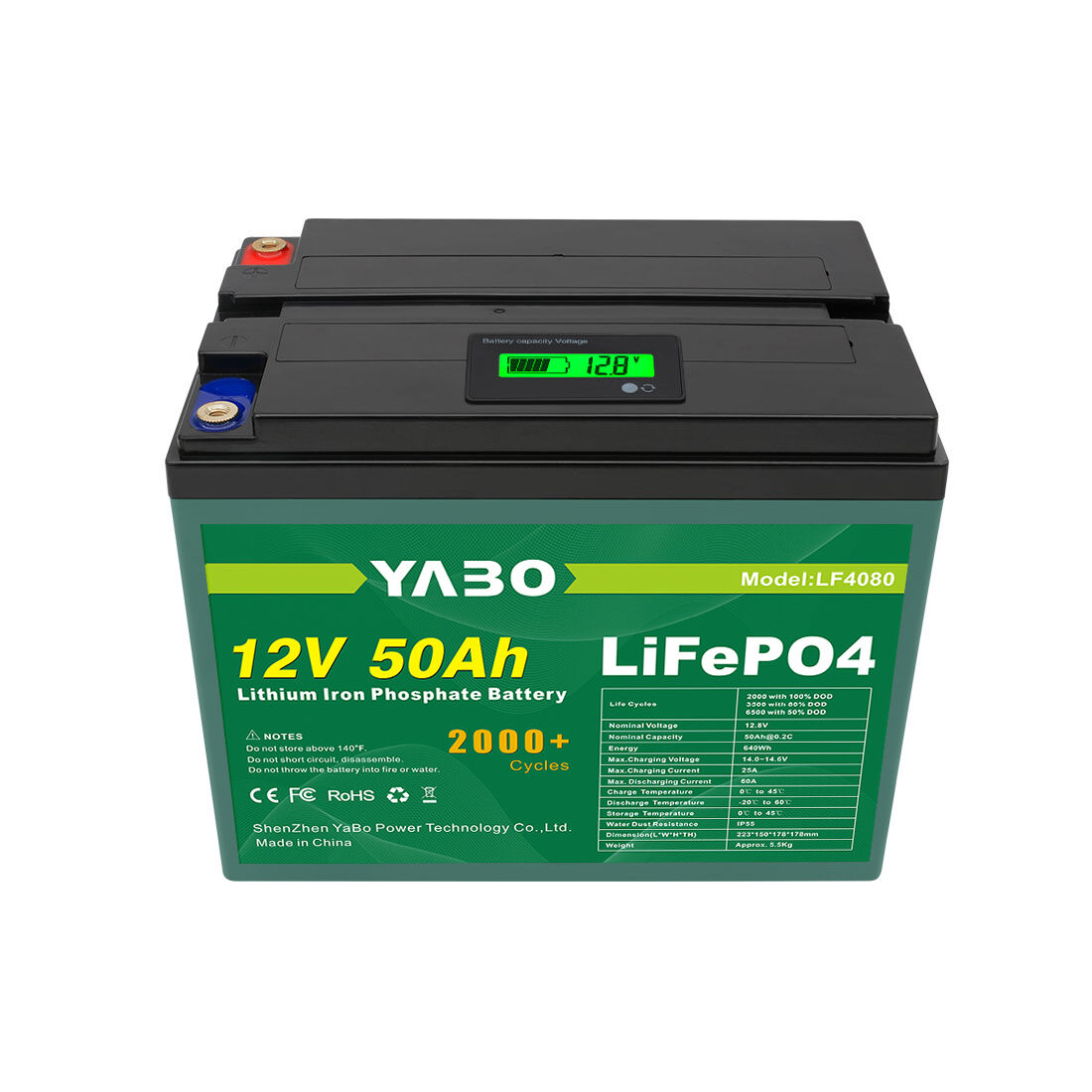
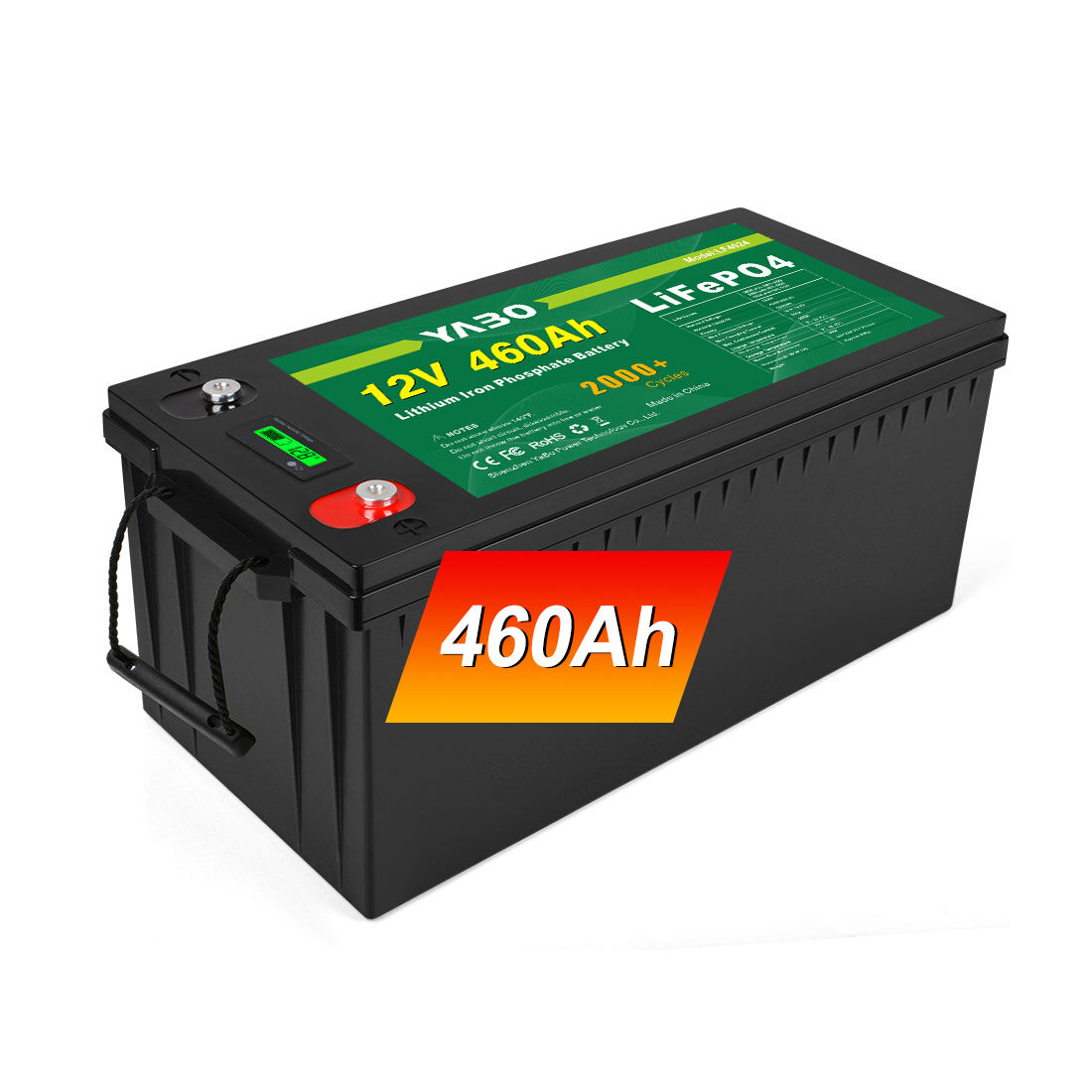
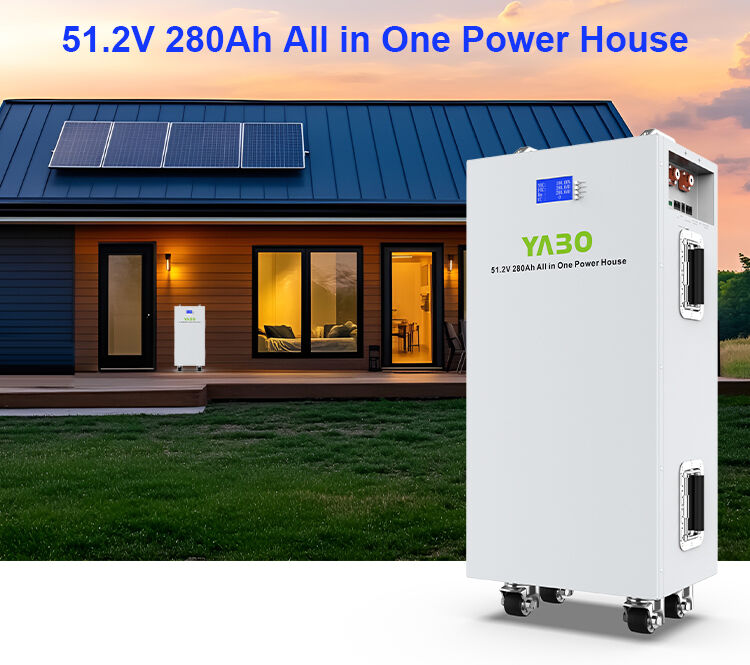
Off grid energy solutions represent revolutionary power systems that operate independently from traditional electrical grids, providing sustainable electricity generation for remote locations, emergency backup scenarios, and environmentally conscious consumers. These comprehensive energy systems combine multiple renewable technologies including solar panels, wind turbines, battery storage units, and intelligent power management controllers to create self-sufficient electrical networks. The main functions of off grid energy solutions encompass electricity generation through renewable sources, energy storage in advanced battery banks, power conversion through sophisticated inverters, and automated load management via smart controllers. Solar photovoltaic arrays capture sunlight and convert it into direct current electricity, while wind generators harness atmospheric movement to produce additional power during optimal conditions. Modern off grid energy solutions incorporate cutting-edge lithium-ion battery technology that stores excess energy for nighttime usage and cloudy weather periods, ensuring consistent power availability regardless of environmental conditions. Advanced maximum power point tracking charge controllers optimize energy harvesting efficiency by continuously adjusting voltage and current parameters to extract maximum power from renewable sources. Pure sine wave inverters transform stored direct current into clean alternating current suitable for sensitive electronic equipment and household appliances. Smart monitoring systems provide real-time data on energy production, consumption patterns, and battery status through wireless connectivity and mobile applications. Technological features include modular designs that allow system expansion based on growing energy demands, weatherproof components rated for harsh outdoor environments, and integrated safety mechanisms including overcurrent protection, surge suppression, and thermal management. Applications span residential cabins, recreational vehicles, marine vessels, telecommunications towers, agricultural operations, emergency response centers, and developing regions lacking grid infrastructure access.

 EN
EN