off grid energy storage battery
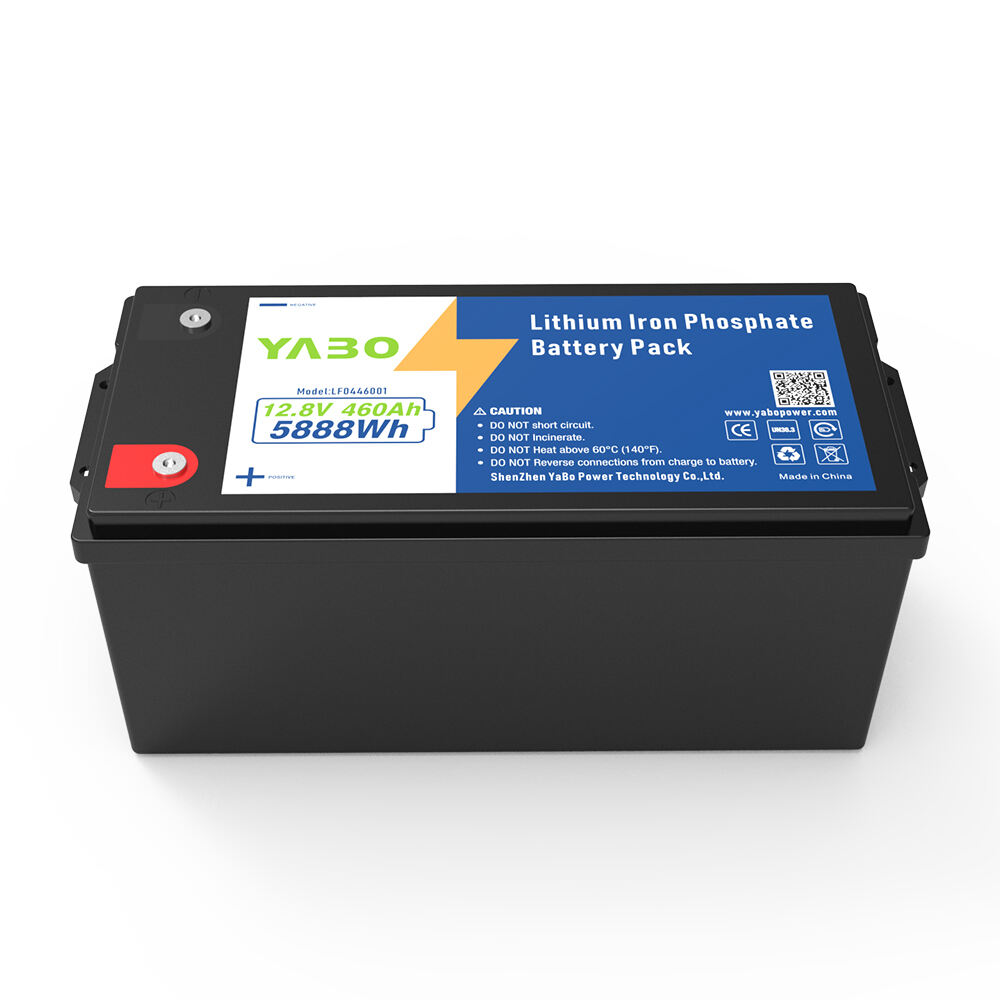
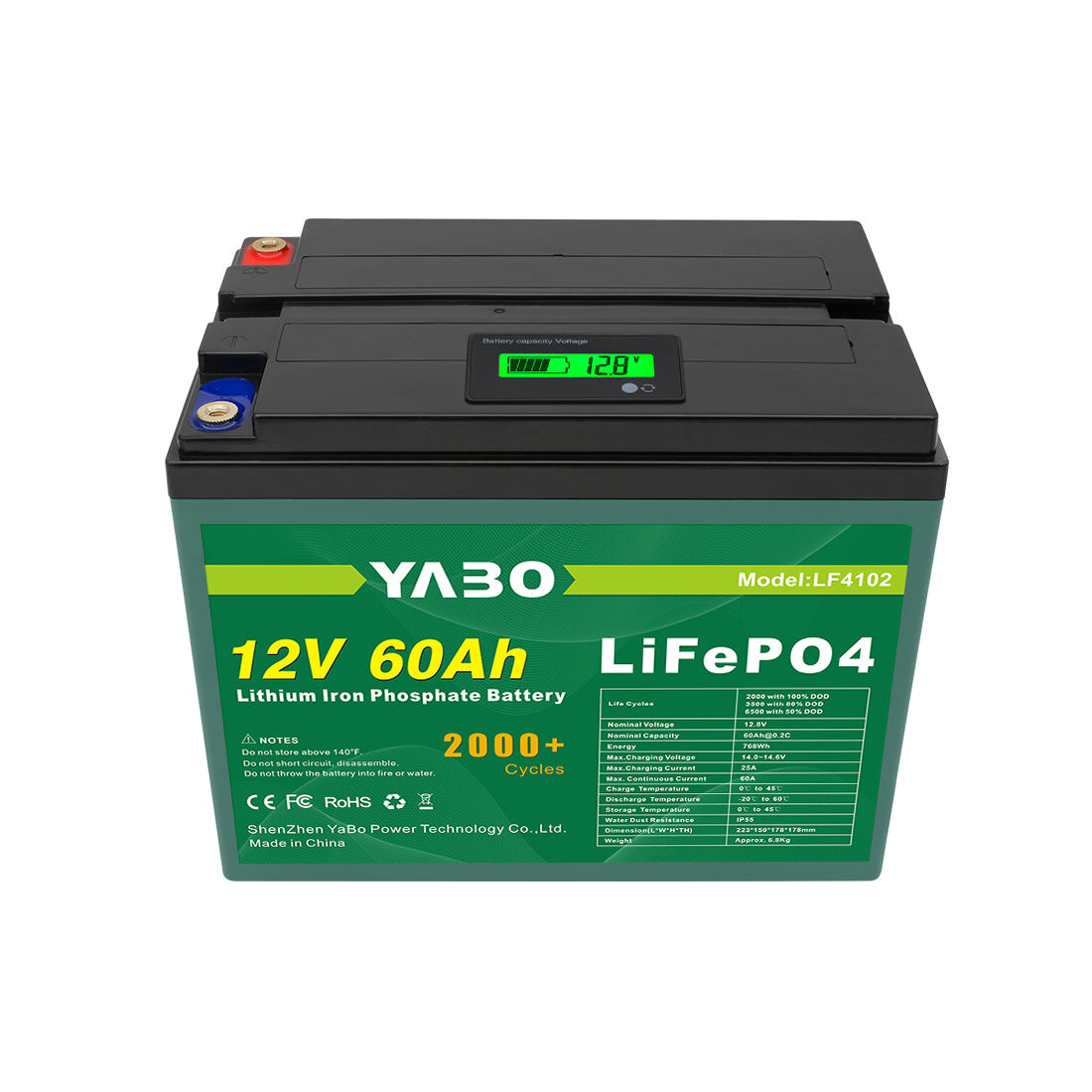
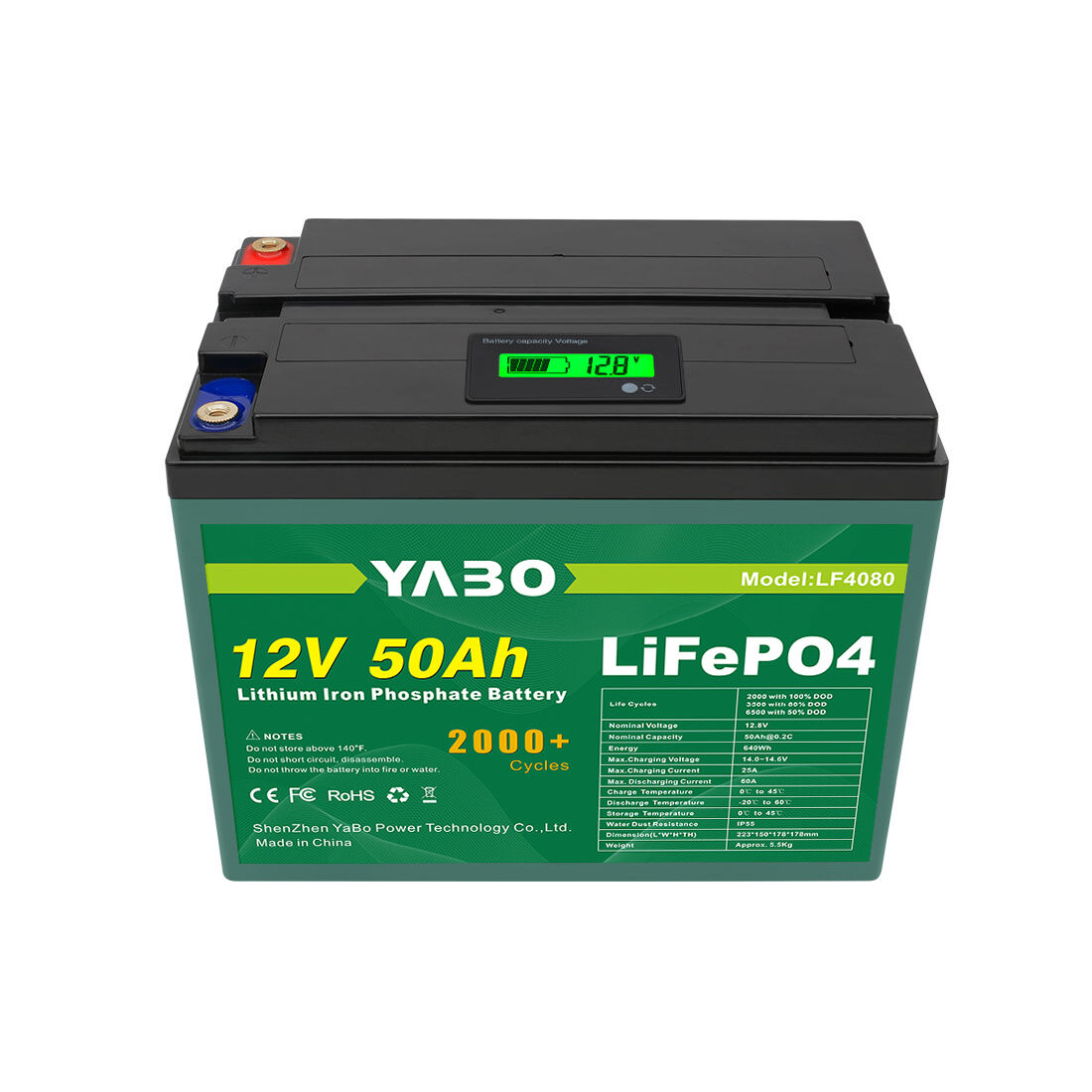
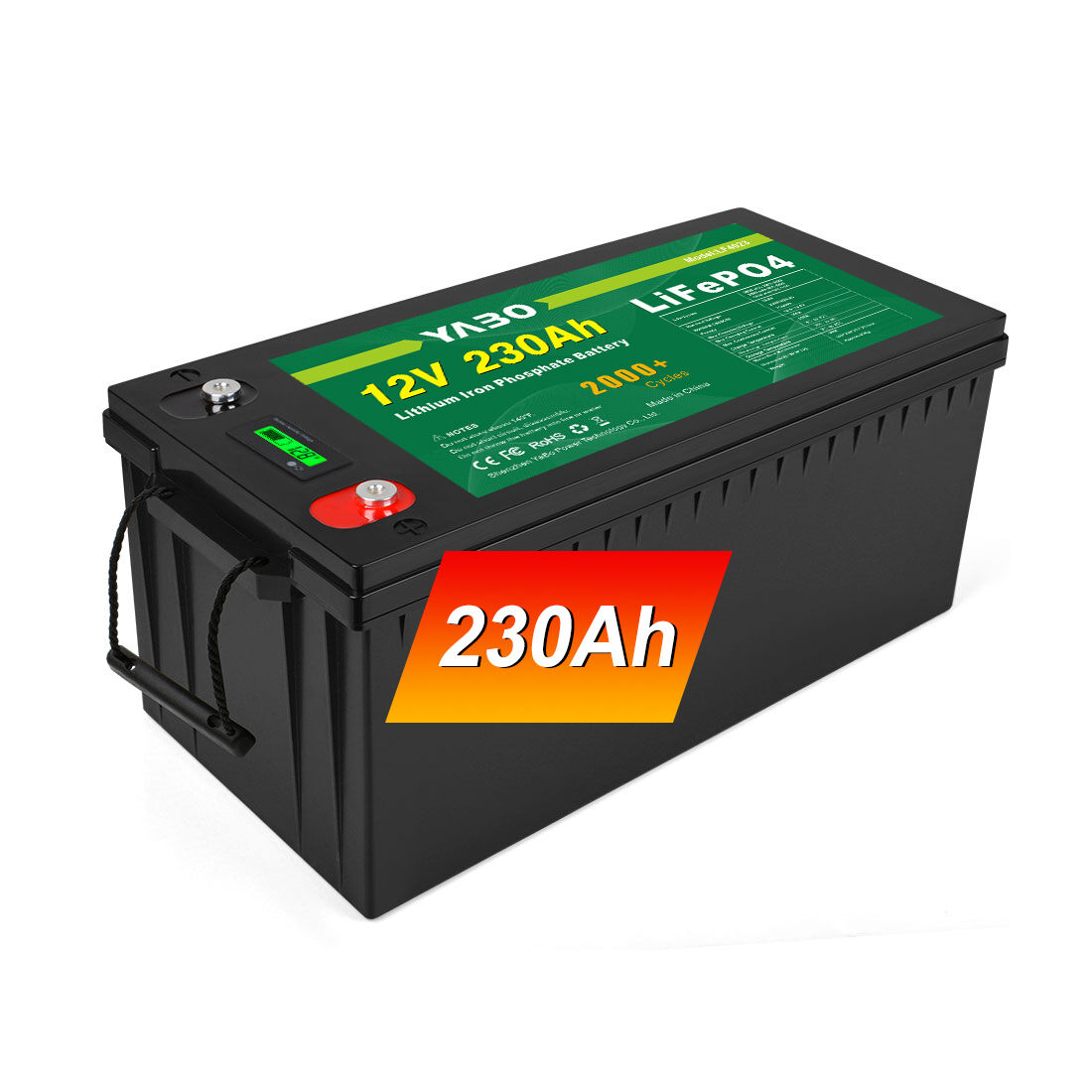
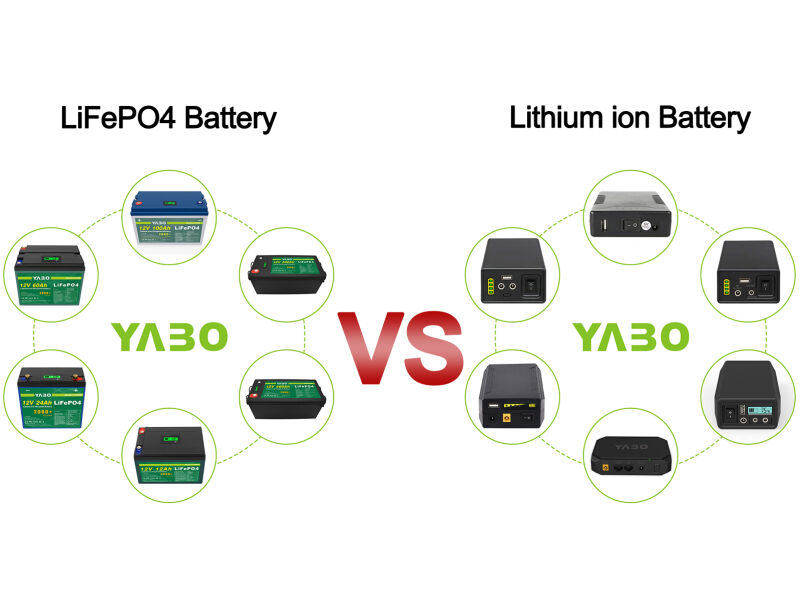
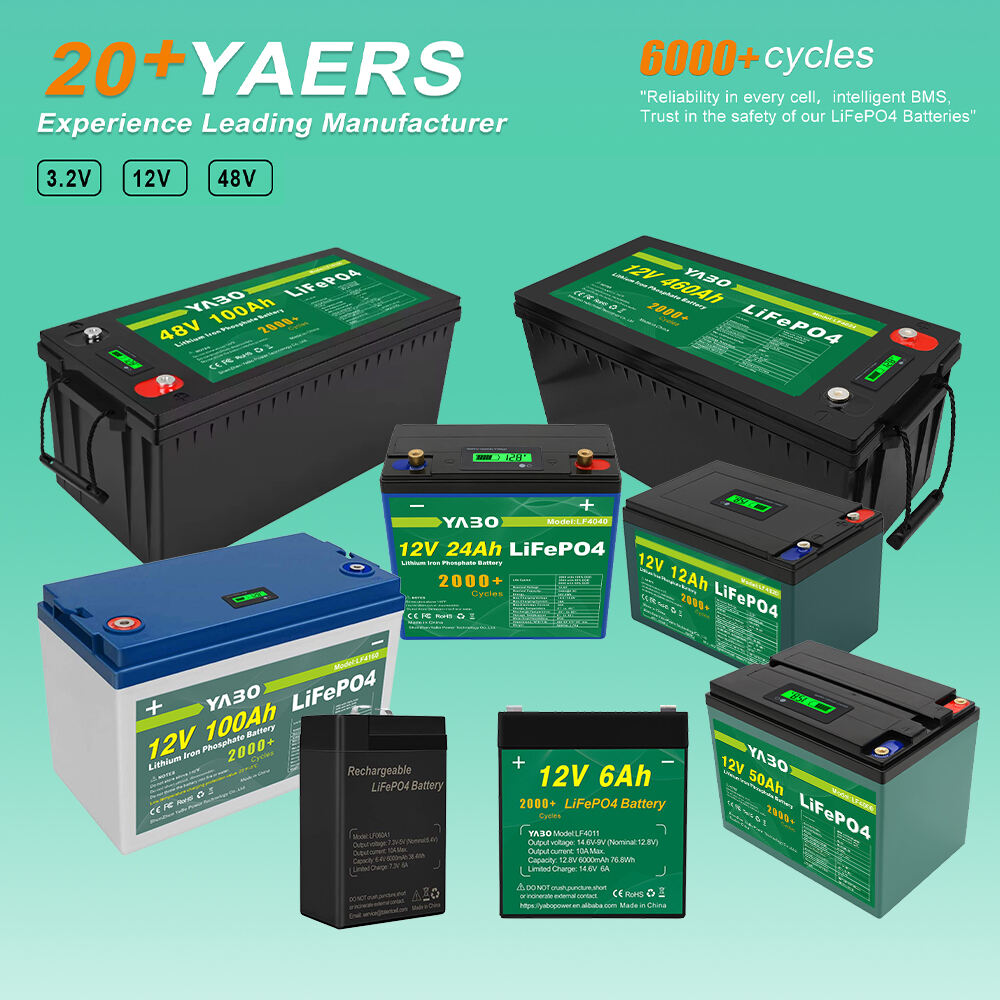
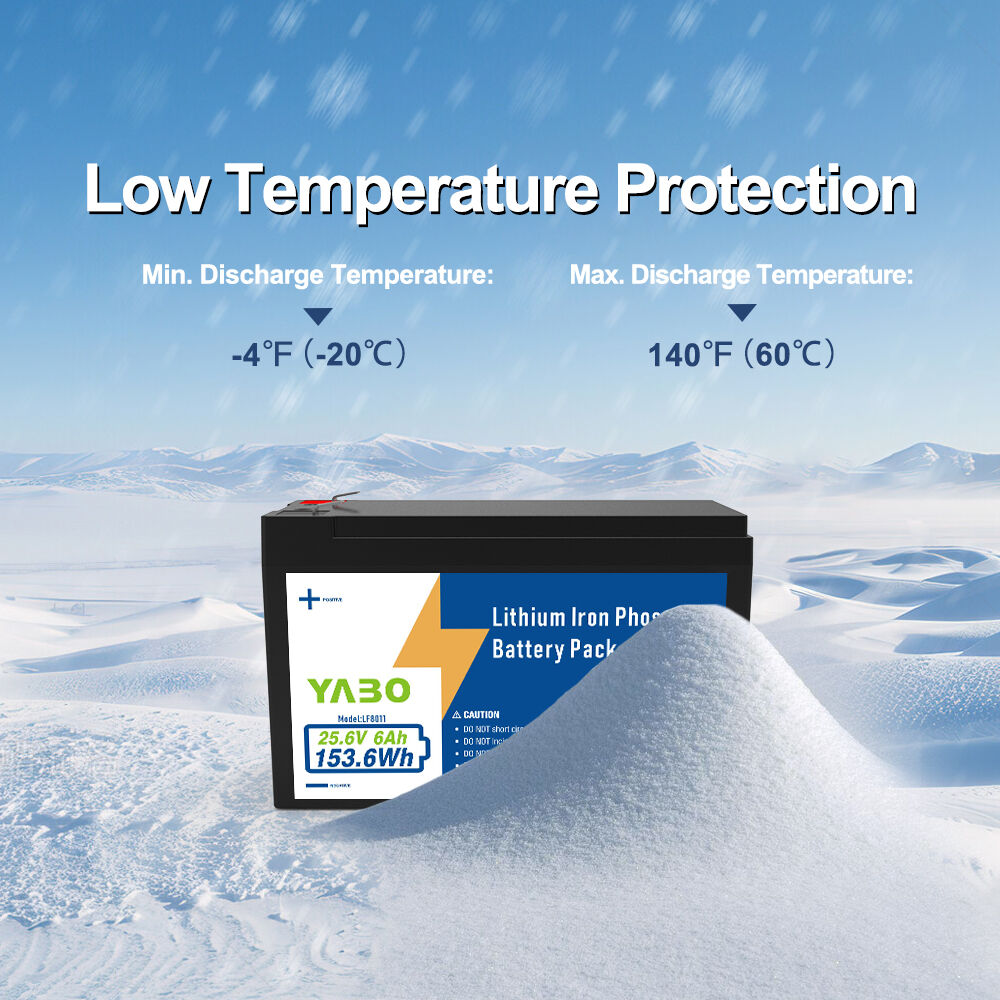
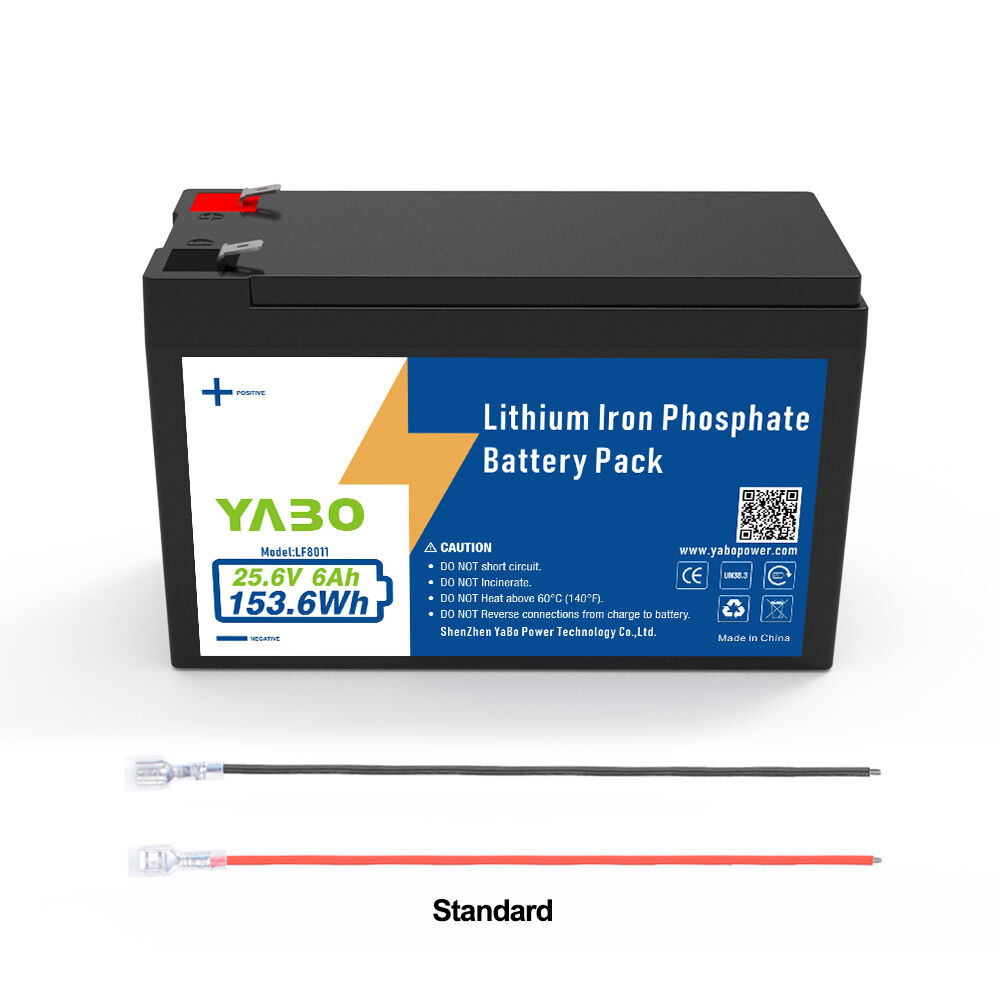
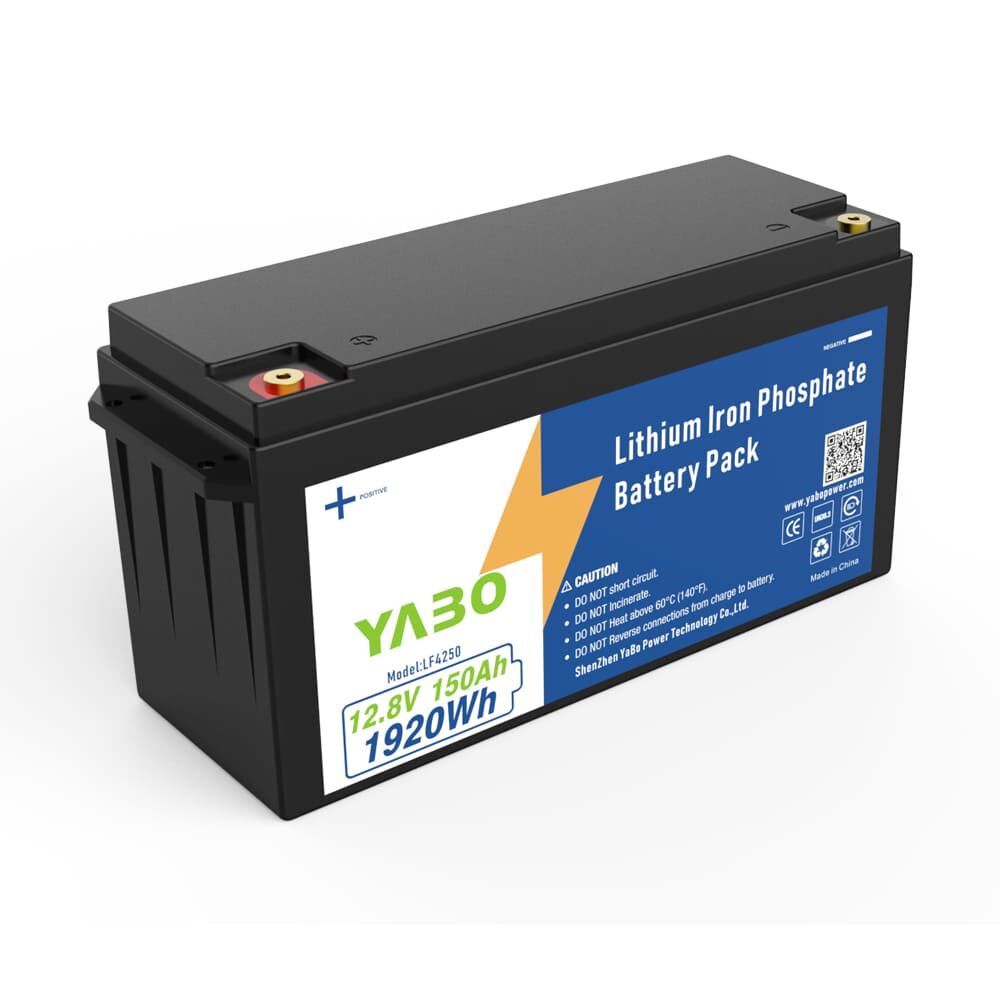
Off grid energy storage batteries represent a revolutionary solution for independent power systems that operate without connection to traditional electrical grids. These sophisticated energy storage systems serve as the backbone of self-sufficient power infrastructure, capturing and storing electricity from renewable sources like solar panels, wind turbines, or micro-hydroelectric systems. The primary function of an off grid energy storage battery involves collecting excess energy during peak production periods and releasing it when demand exceeds generation capacity or when renewable sources are unavailable. Modern off grid energy storage battery systems incorporate advanced lithium-ion technology, offering superior energy density, extended cycle life, and enhanced safety features compared to traditional lead-acid alternatives. These batteries feature intelligent battery management systems that monitor cell voltage, temperature, and charge states to optimize performance and prevent damage. The technological architecture includes built-in protection circuits, thermal regulation systems, and communication interfaces that enable seamless integration with existing power infrastructure. Applications for off grid energy storage battery solutions span residential homes in remote locations, commercial facilities seeking energy independence, recreational vehicles, marine vessels, telecommunications towers, and emergency backup systems. Agricultural operations frequently deploy these systems to power irrigation equipment, livestock facilities, and processing equipment in areas lacking grid connectivity. The scalable design allows users to customize capacity based on specific energy requirements, from small residential installations to large commercial deployments. Installation typically involves connecting the off grid energy storage battery to charge controllers, inverters, and monitoring systems that work together to create a complete energy ecosystem. The modular construction enables easy expansion as power needs grow, making these systems adaptable to changing requirements over time.


 EN
EN