rechargeable lithium batteries
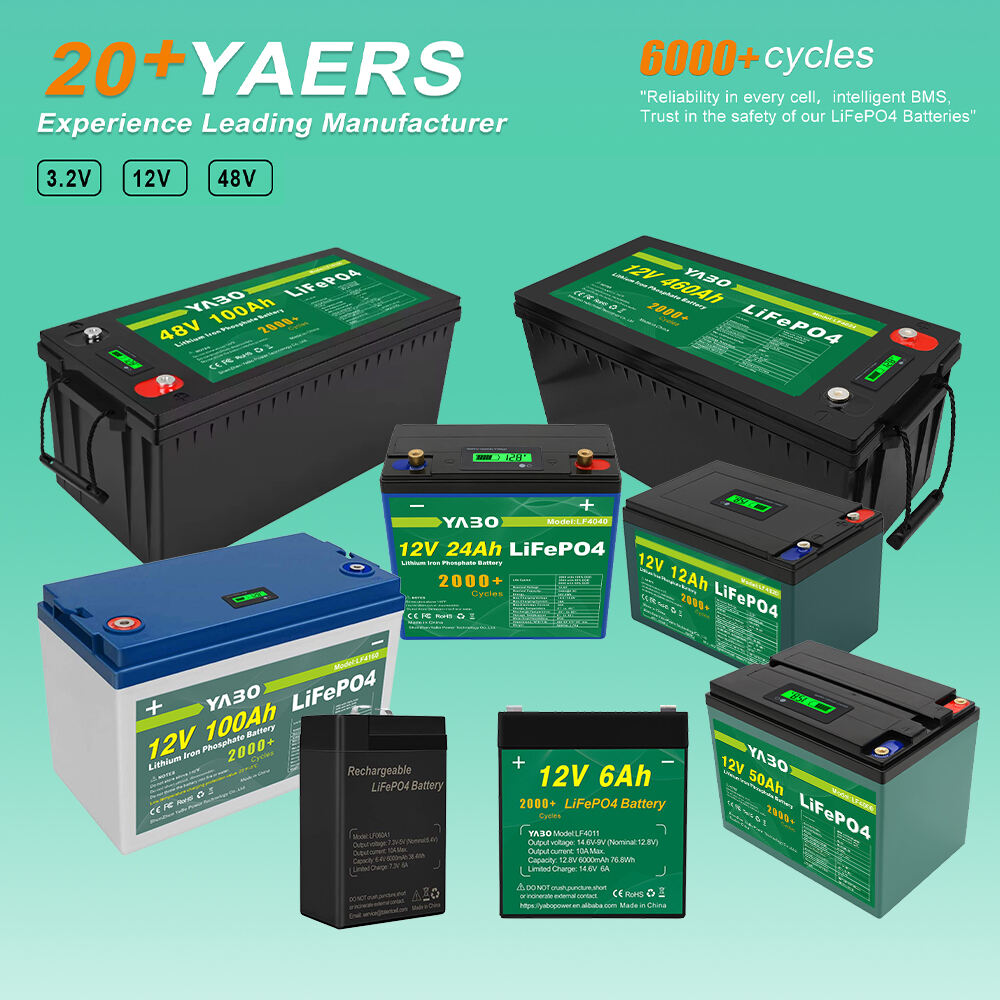
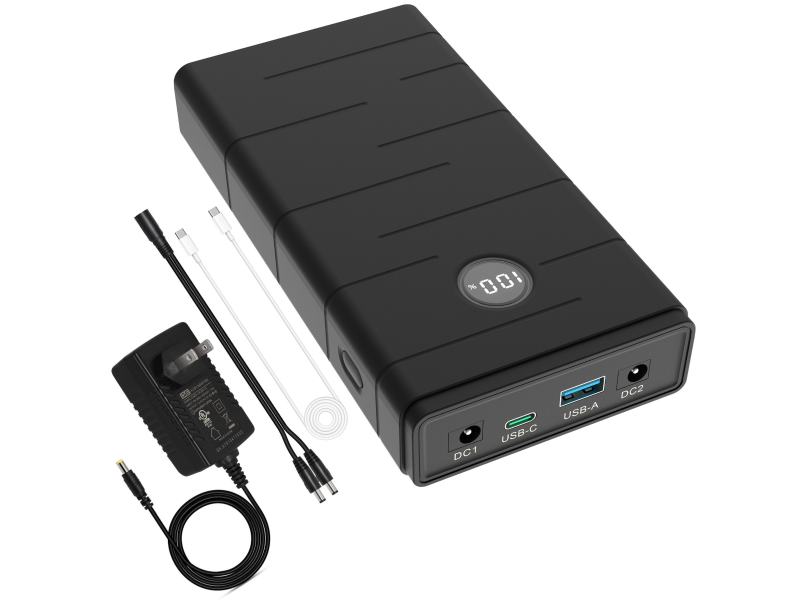
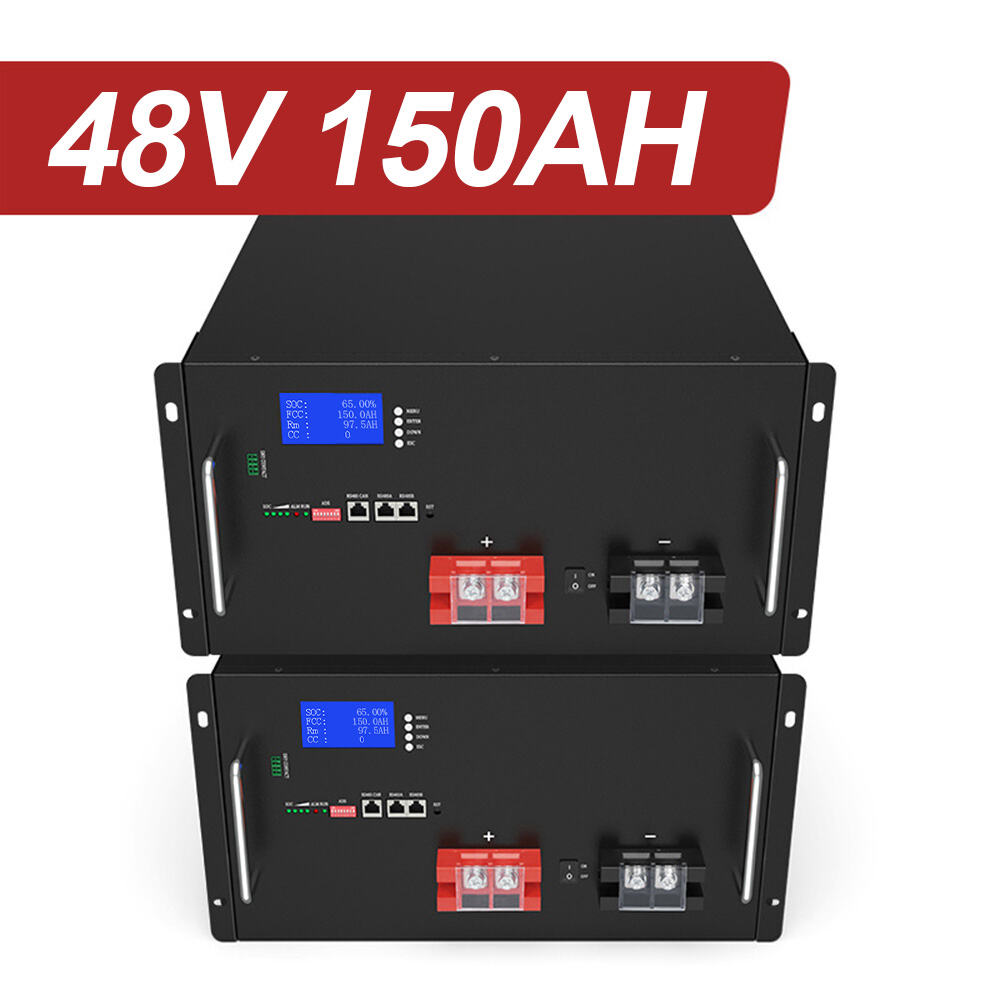
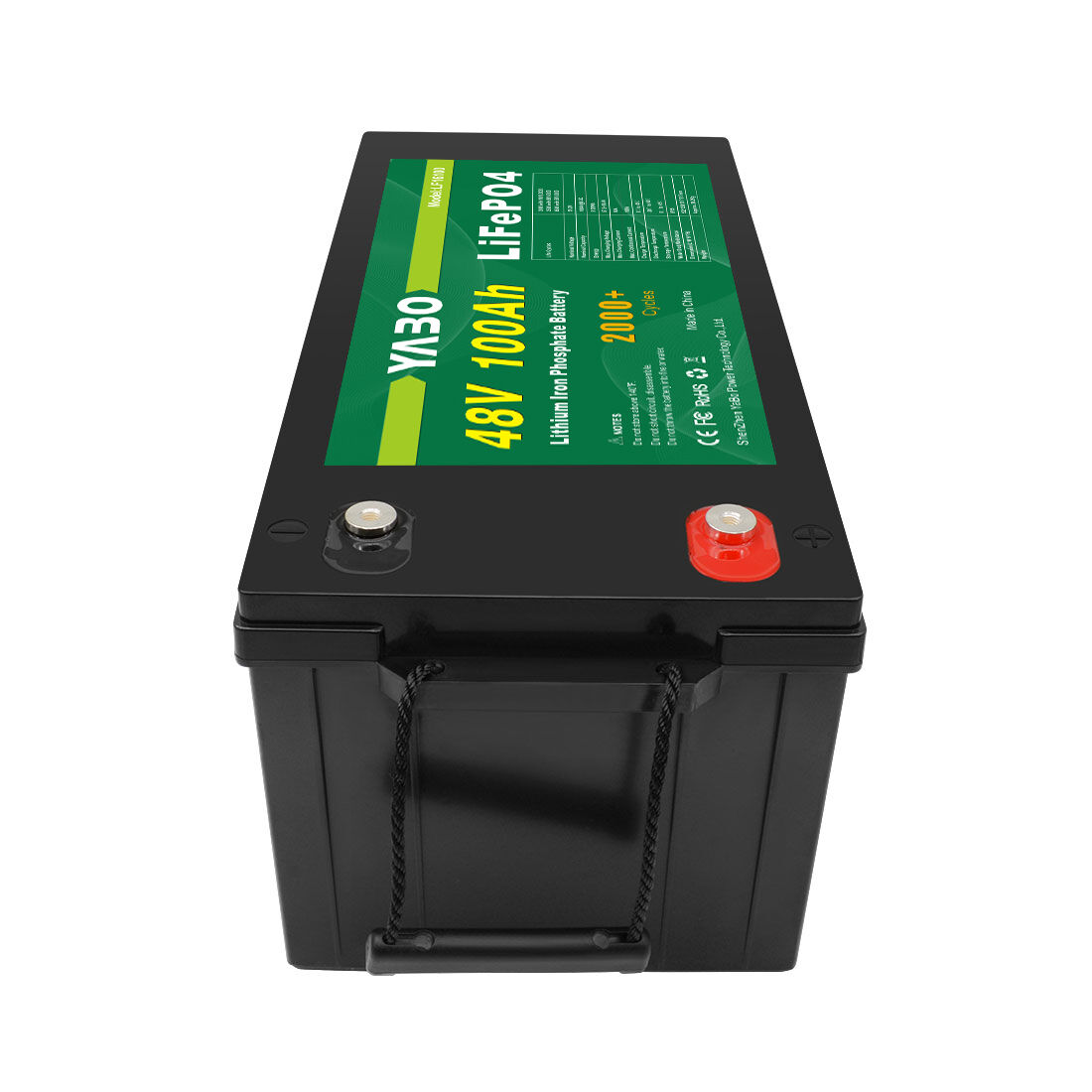
Rechargeable lithium batteries represent a revolutionary advancement in portable energy storage technology, fundamentally transforming how we power our modern devices and equipment. These sophisticated power sources utilize lithium-ion chemistry to store and release electrical energy through reversible electrochemical reactions, making them incredibly versatile for countless applications. The core functionality of rechargeable lithium batteries centers on their ability to accept, store, and deliver electrical energy repeatedly through hundreds or thousands of charge cycles, providing reliable power solutions for both consumer electronics and industrial applications. The technological foundation of these batteries relies on lithium-ion movement between positive and negative electrodes through an electrolyte medium, creating a highly efficient energy transfer system. This advanced chemistry enables rechargeable lithium batteries to maintain consistent voltage output throughout their discharge cycle, ensuring stable performance for connected devices. Modern rechargeable lithium batteries incorporate sophisticated battery management systems that monitor temperature, voltage, and current flow, protecting against overcharge, overdischarge, and thermal runaway conditions. These safety features make rechargeable lithium batteries suitable for demanding applications where reliability is paramount. The applications for rechargeable lithium batteries span virtually every sector of modern technology, from smartphones and laptops to electric vehicles and renewable energy storage systems. Consumer electronics manufacturers rely on rechargeable lithium batteries to power portable devices, while automotive companies integrate these energy storage solutions into hybrid and electric vehicles. Industrial applications include backup power systems, medical devices, power tools, and grid-scale energy storage installations. The versatility of rechargeable lithium batteries extends to specialized applications such as aerospace systems, military equipment, and remote monitoring devices where traditional power sources prove inadequate. Manufacturing processes for rechargeable lithium batteries continue evolving, incorporating advanced materials and production techniques that enhance performance characteristics while reducing environmental impact through improved recyclability and reduced toxic components.



 EN
EN