48v lithium batteries for home backup
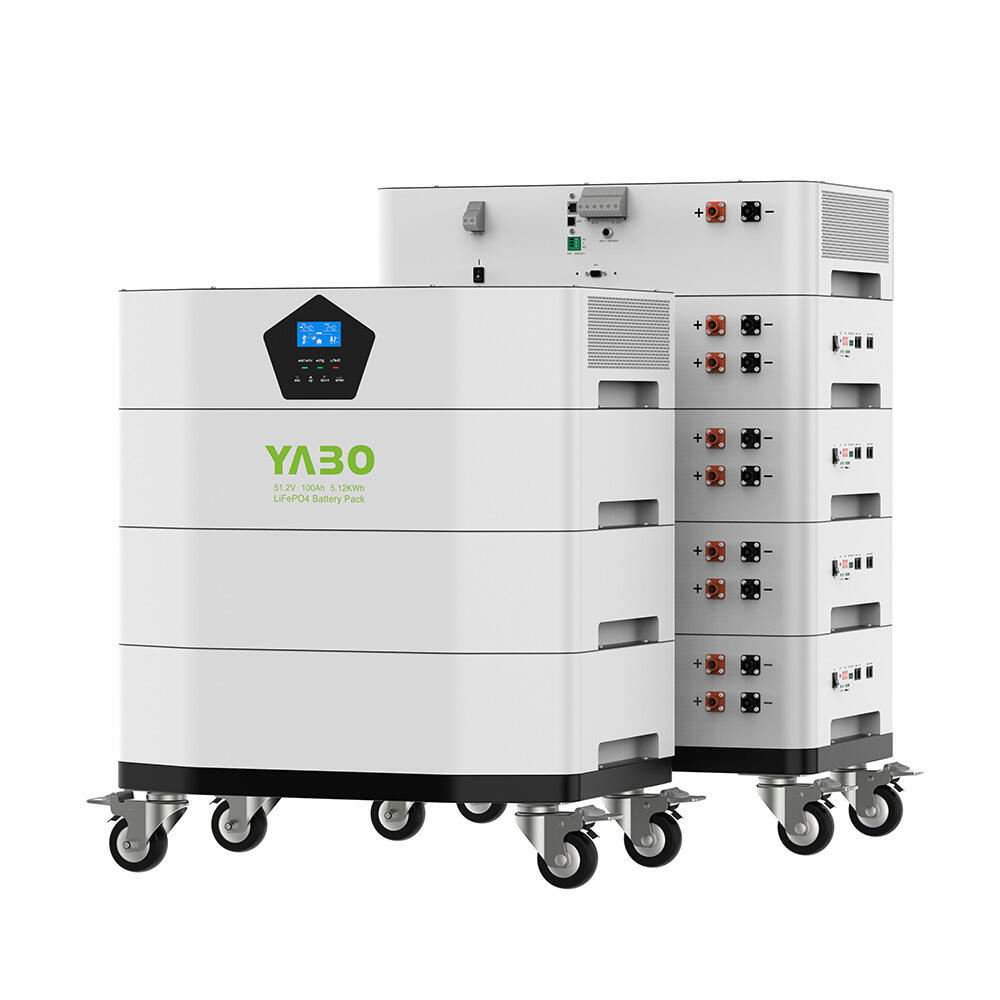
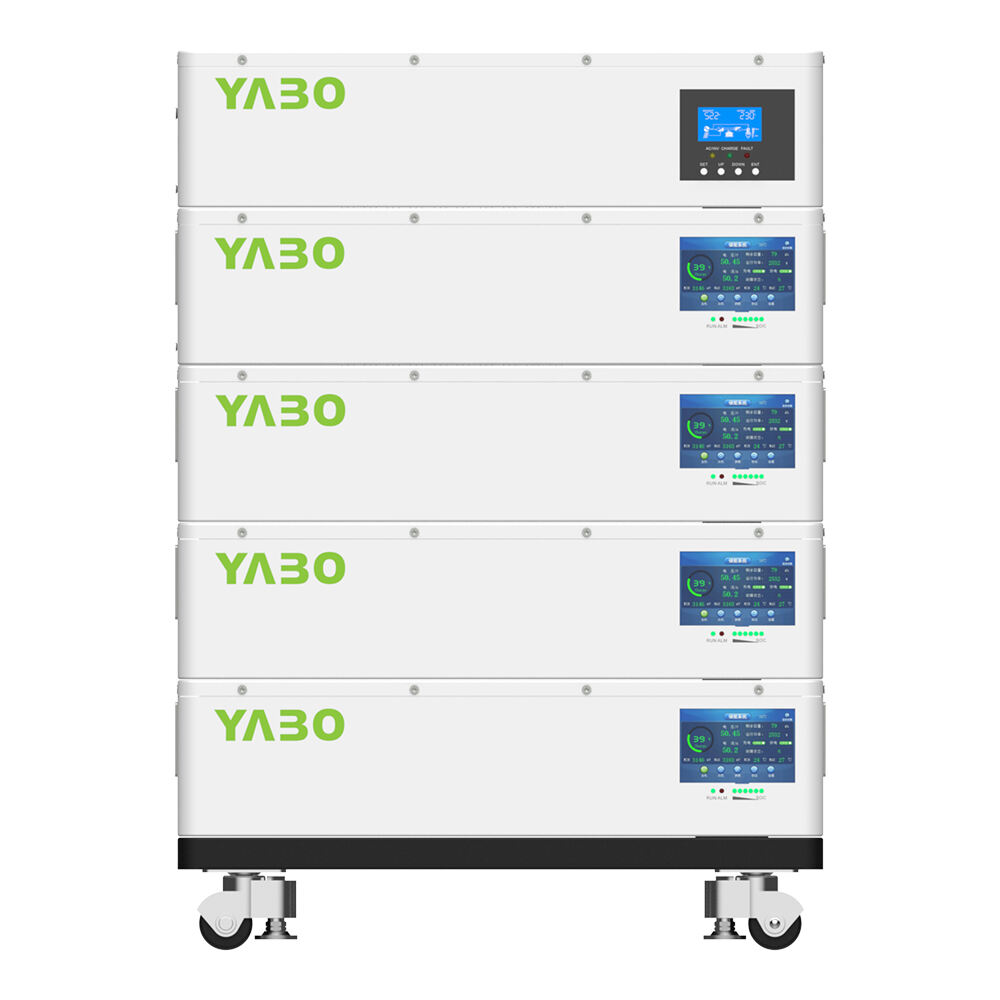
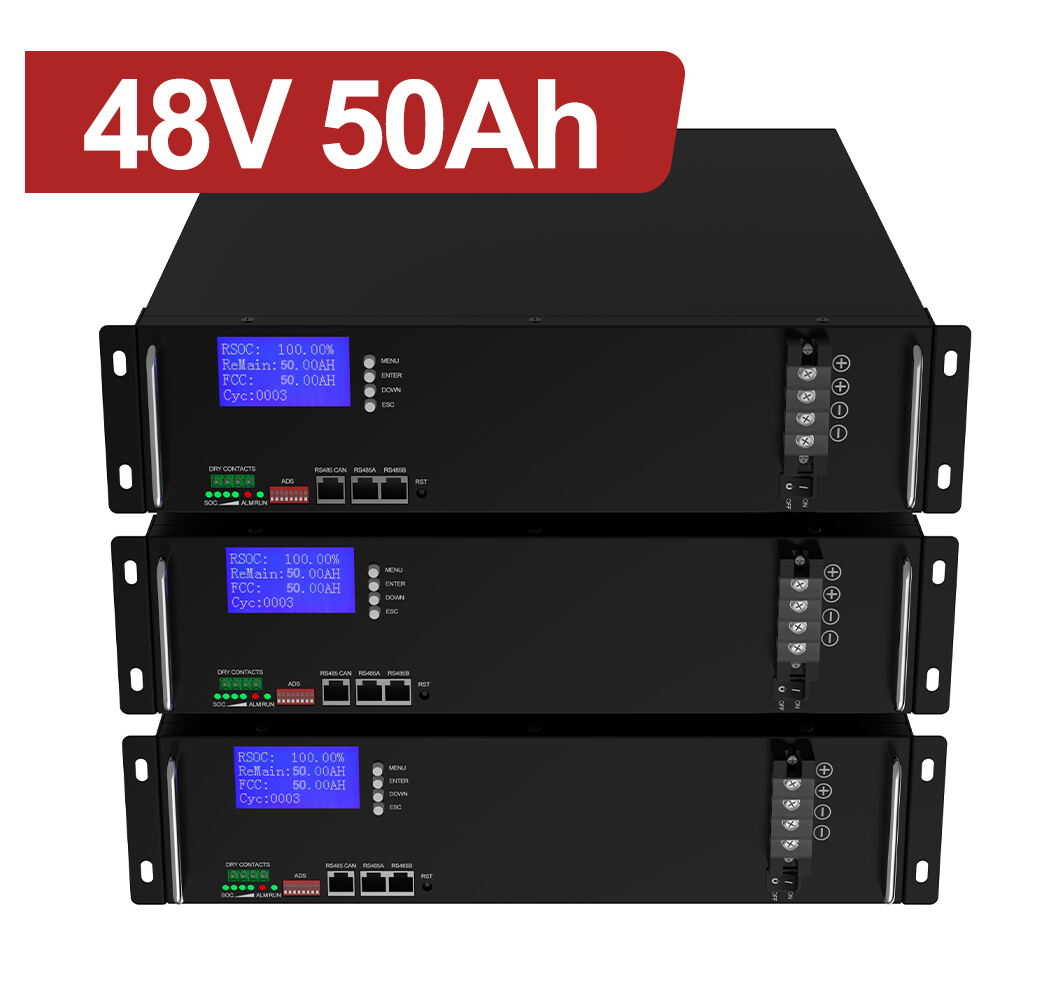
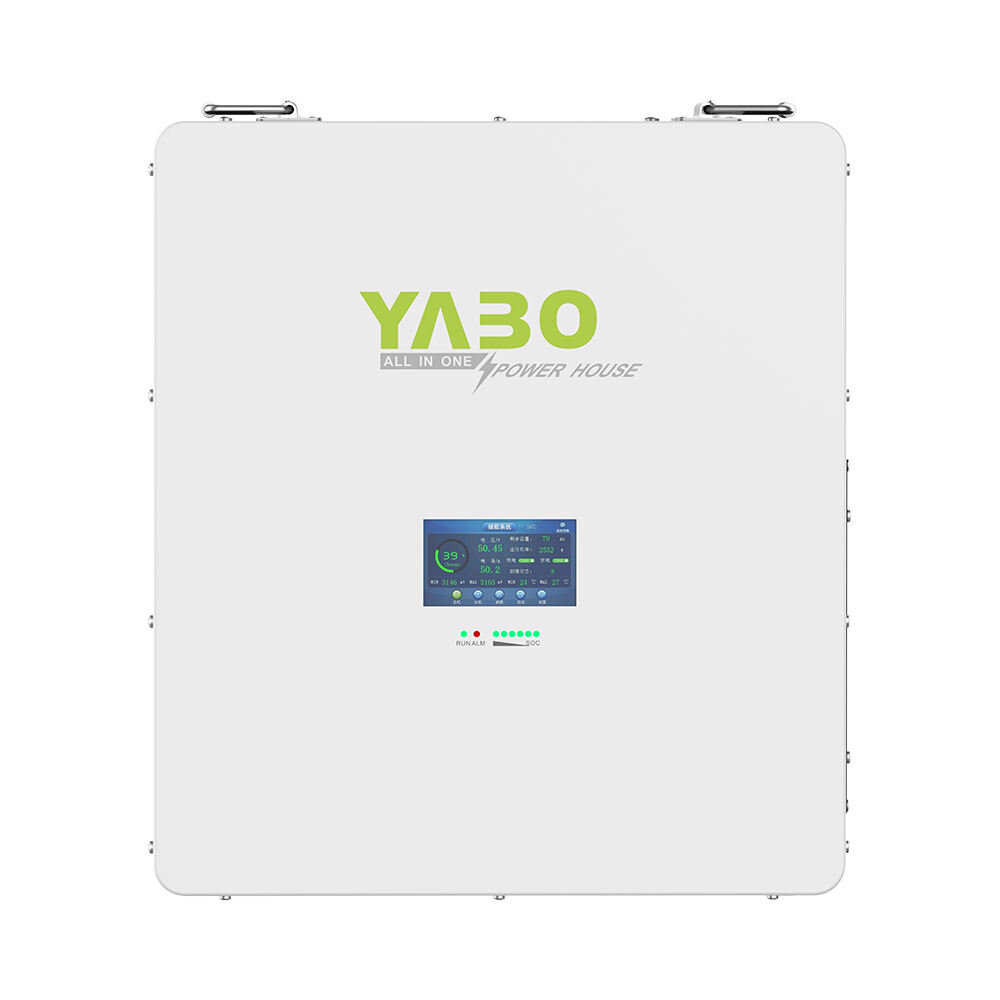
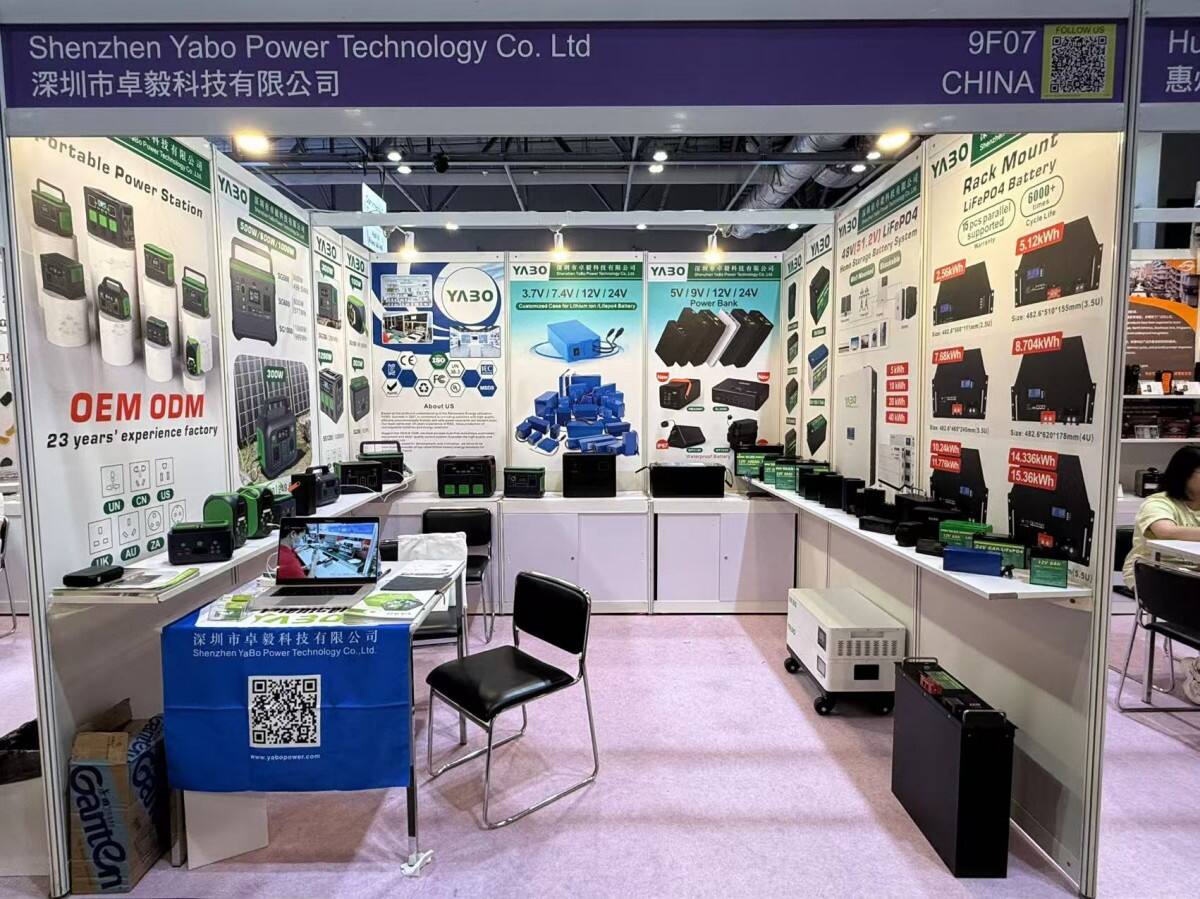
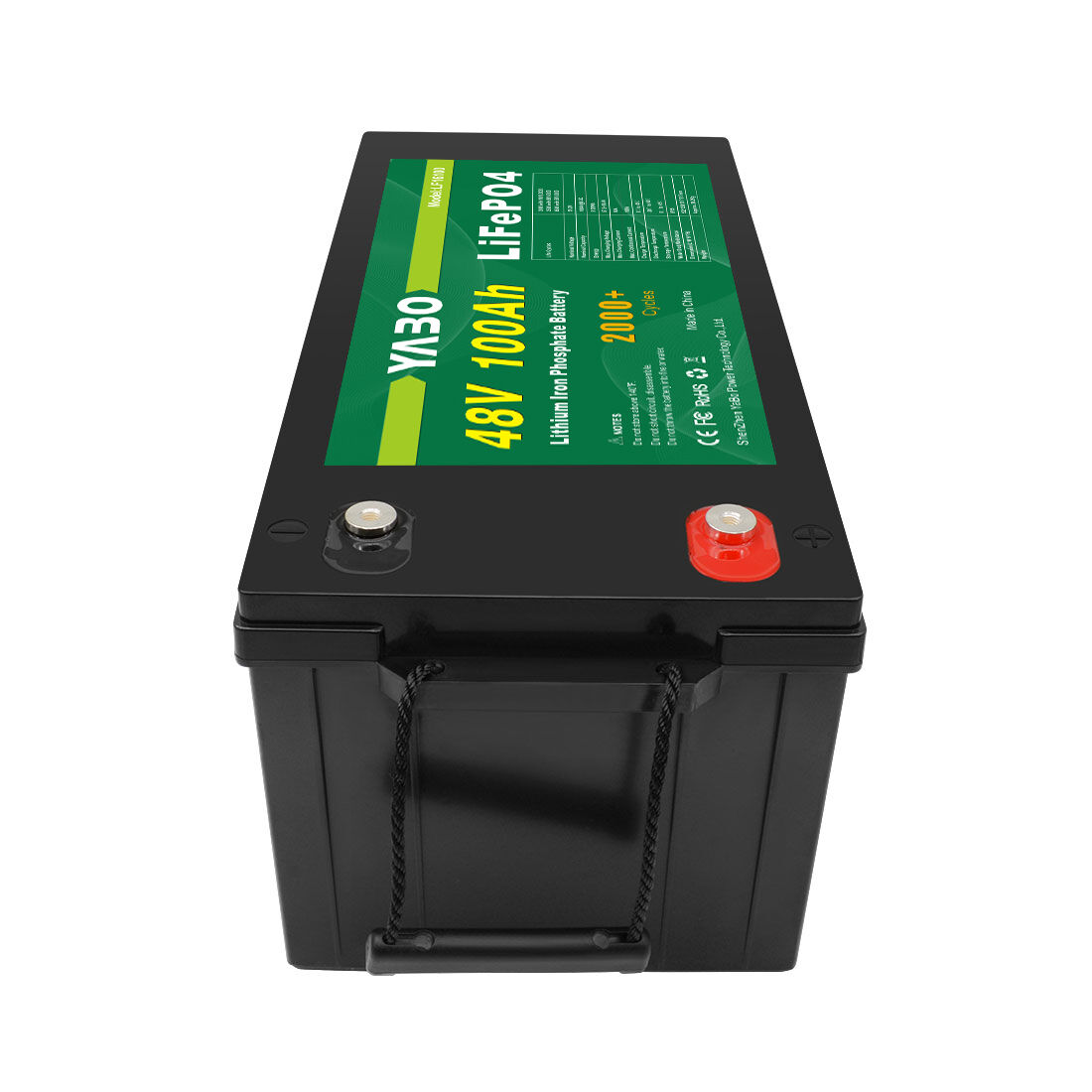
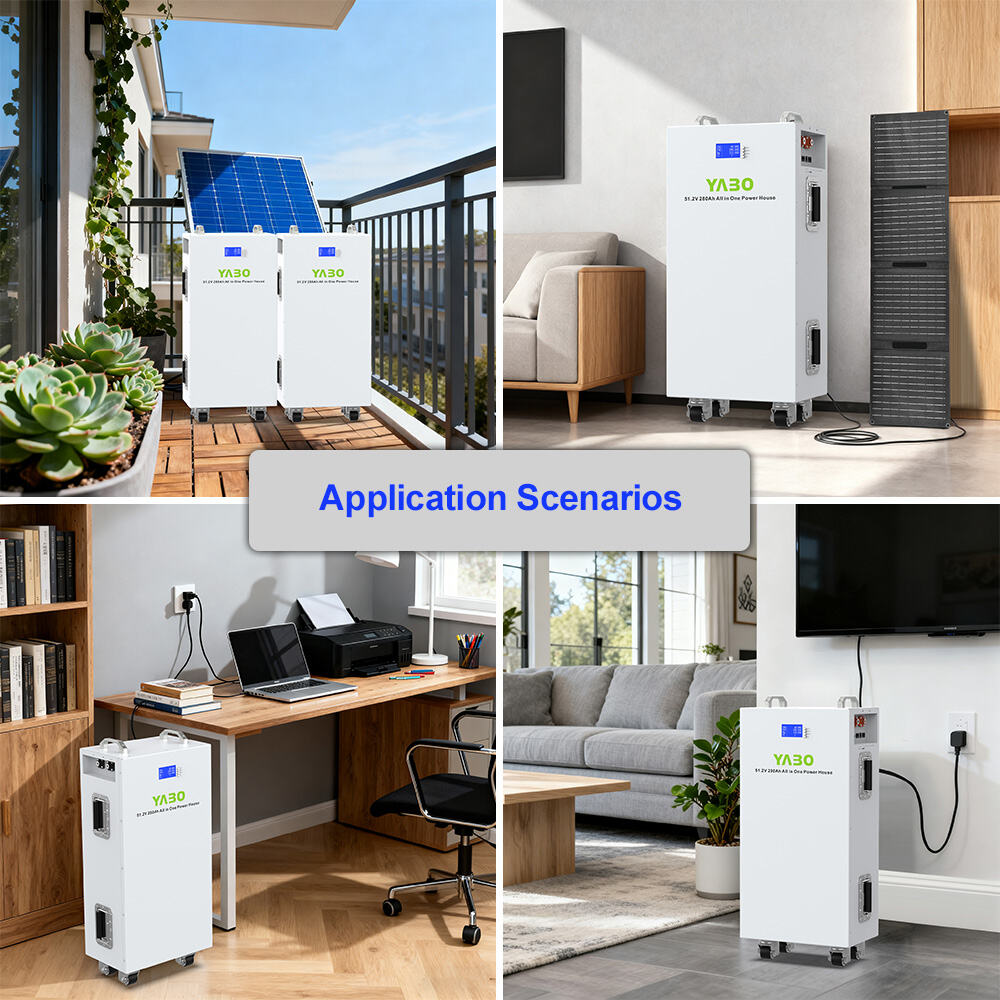
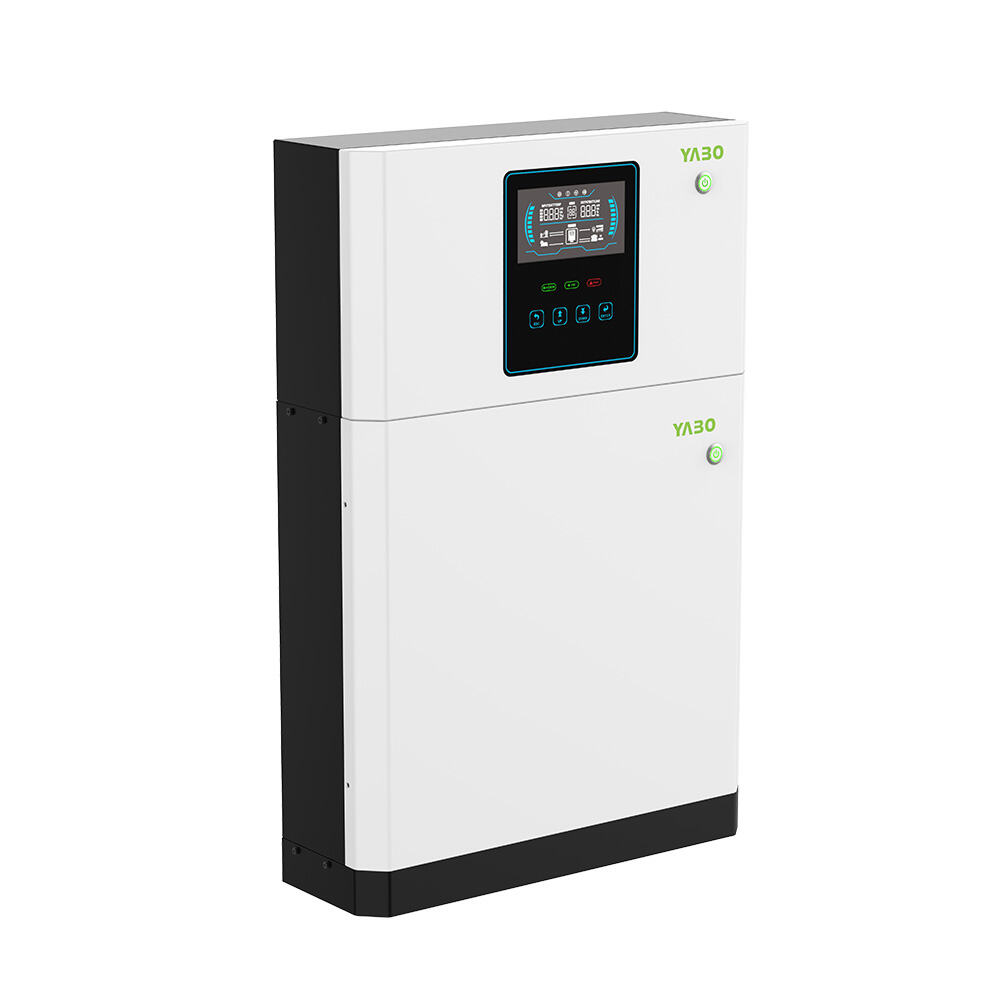
48v lithium batteries for home backup represent a revolutionary advancement in residential energy storage technology, providing homeowners with reliable power solutions during outages and enabling greater energy independence. These sophisticated battery systems operate at 48 volts, offering an optimal balance between safety, efficiency, and performance for residential applications. The main functions of 48v lithium batteries for home backup include storing electricity from the grid during off-peak hours, capturing and storing solar energy from rooftop panels, and automatically supplying power to essential home systems when grid electricity fails. The technological features of these systems incorporate advanced lithium iron phosphate chemistry, which delivers exceptional cycle life exceeding 6000 charge-discharge cycles while maintaining 80 percent capacity retention. Smart battery management systems monitor cell voltages, temperatures, and current flow to ensure optimal performance and safety. These 48v lithium batteries for home backup integrate seamlessly with modern inverter systems and can be configured in modular arrangements to scale capacity according to specific household energy requirements. Applications span from basic emergency backup for critical loads like refrigeration, lighting, and communication devices to comprehensive whole-home power solutions that maintain normal household operations during extended outages. The systems prove particularly valuable in areas prone to severe weather events, unreliable grid infrastructure, or regions implementing rolling blackouts. Additionally, 48v lithium batteries for home backup support time-of-use optimization strategies, allowing homeowners to store inexpensive electricity during off-peak periods and use stored energy during expensive peak rate hours, resulting in substantial utility bill reductions. The technology also enables participation in grid stabilization programs where utility companies compensate homeowners for providing stored energy back to the grid during high-demand periods, creating additional revenue streams while supporting community energy resilience.

 EN
EN