high-capacity lithium batteries
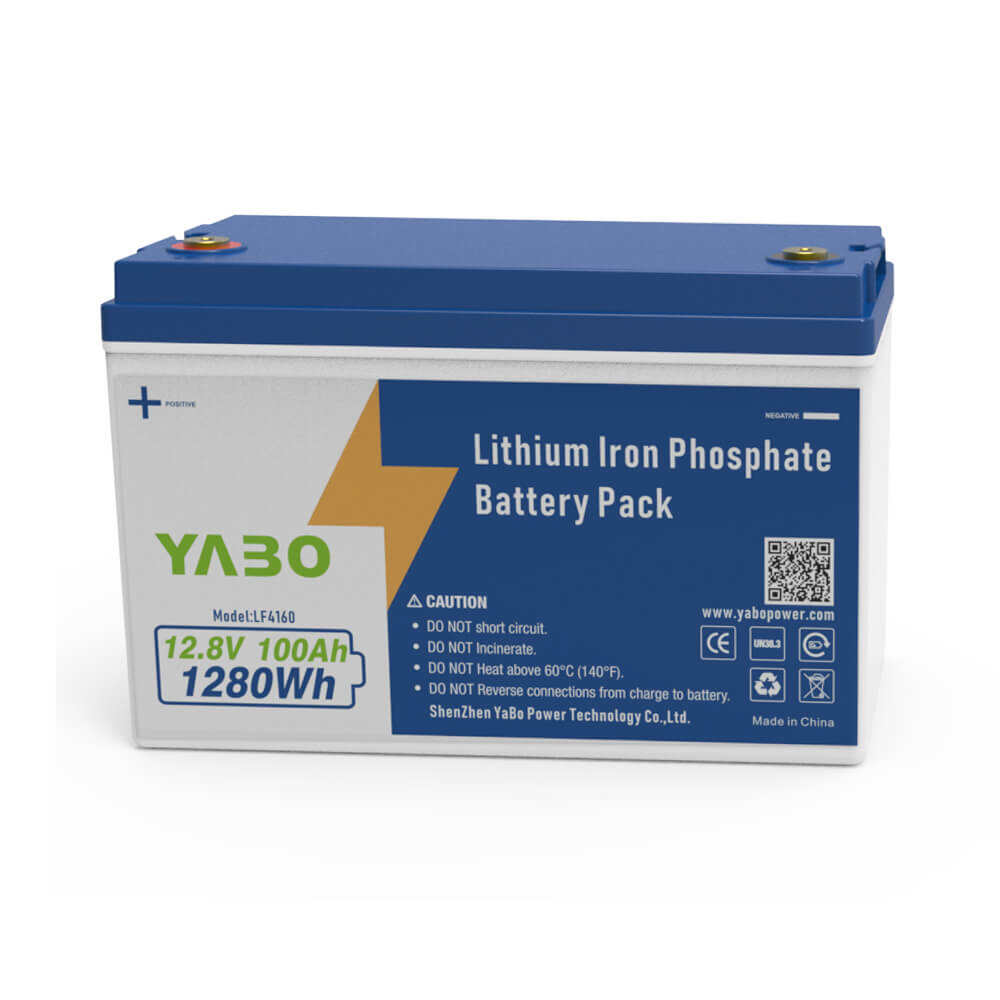
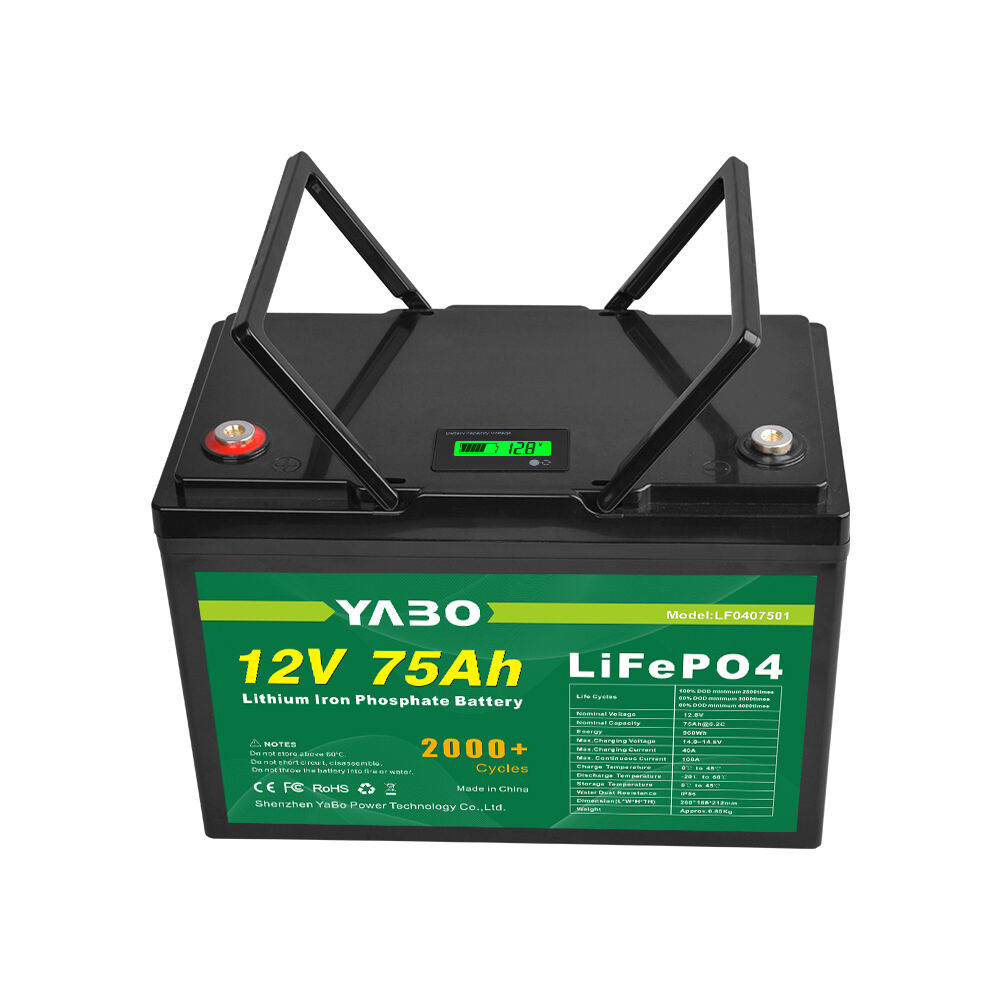
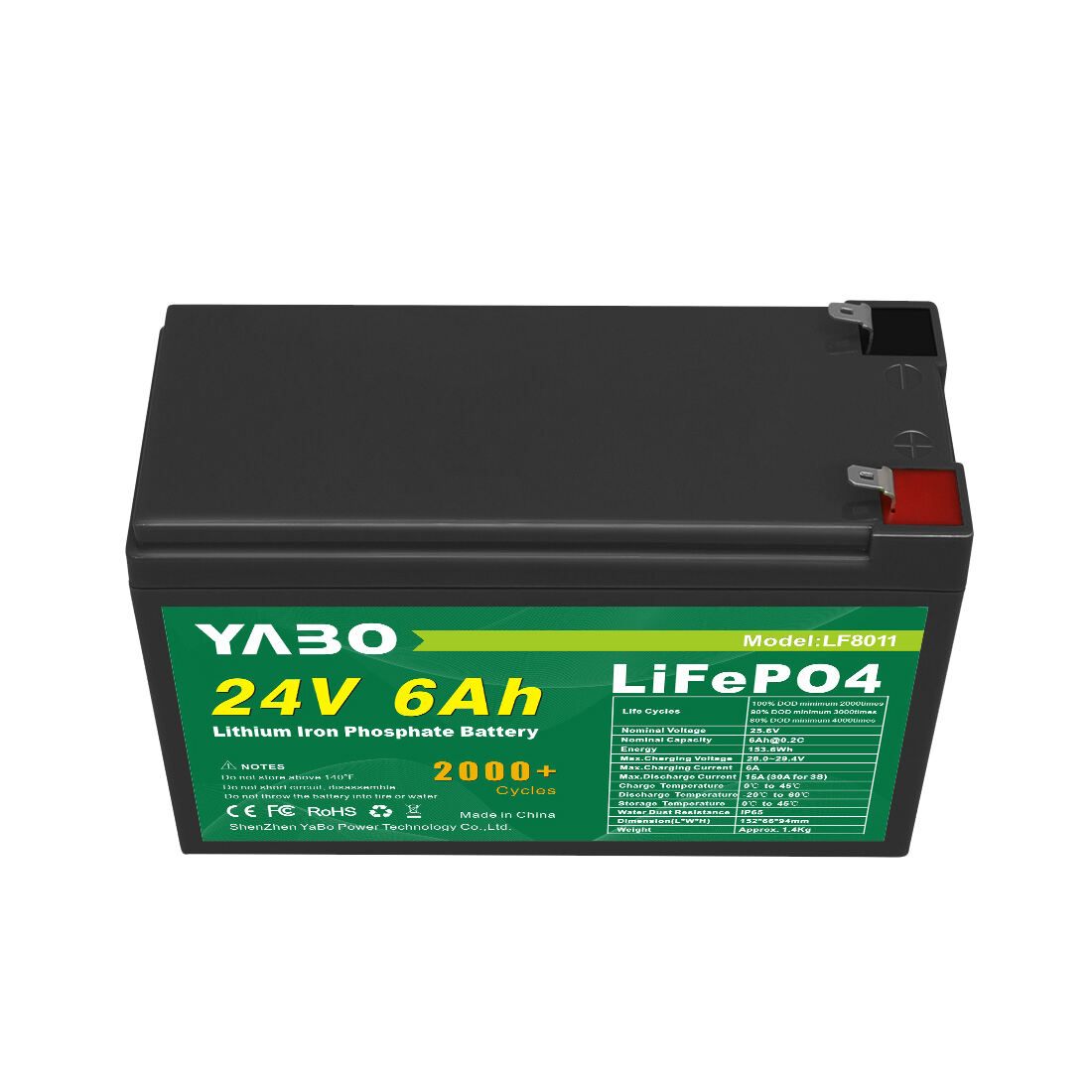
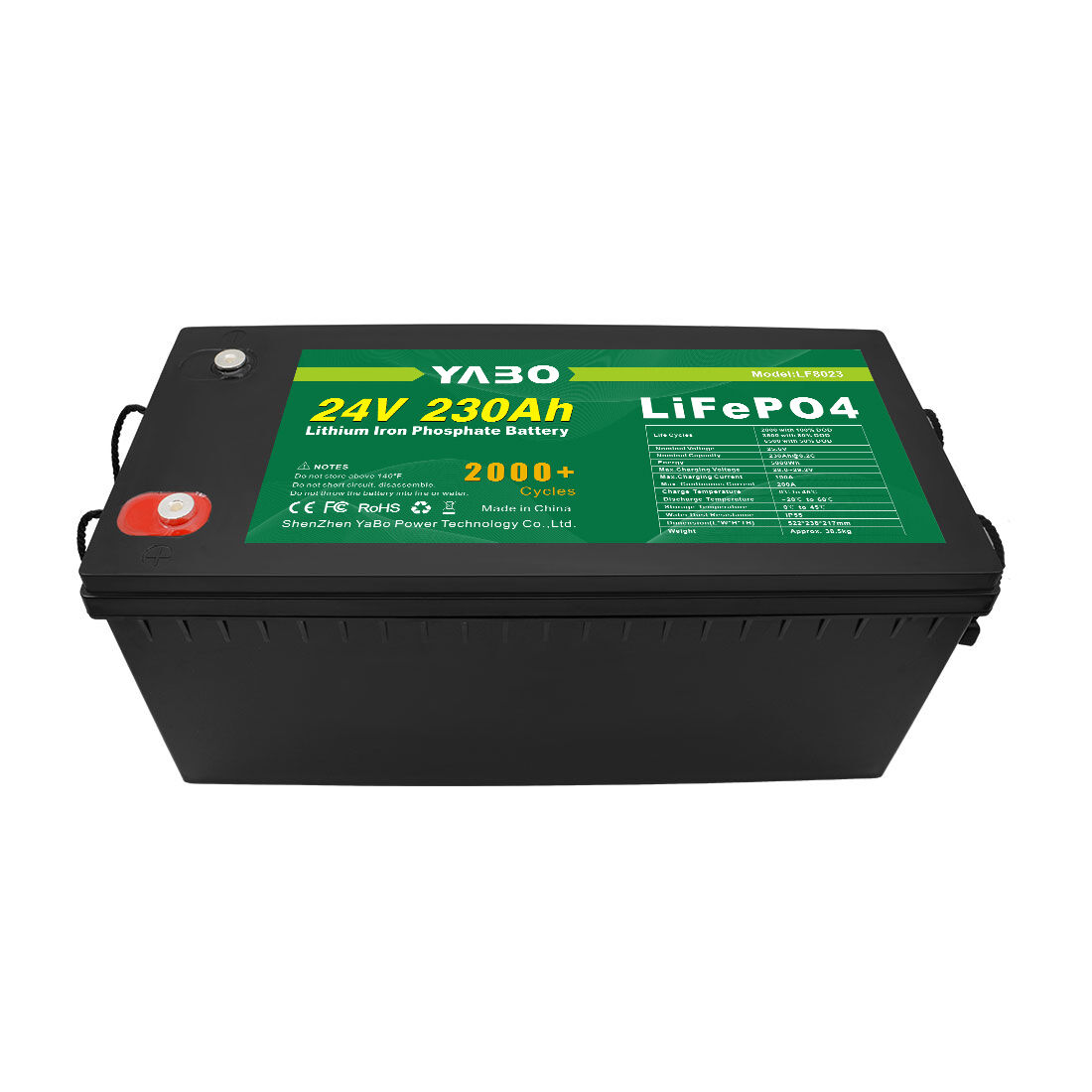
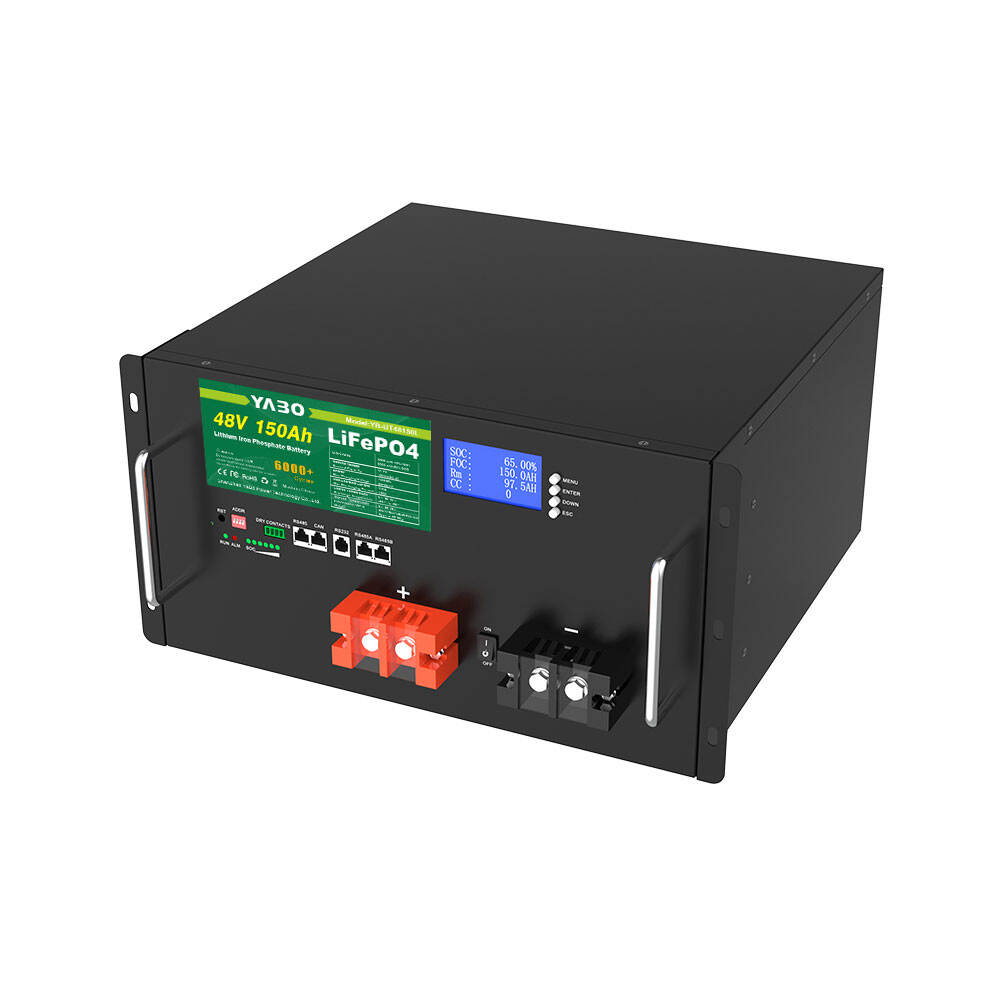
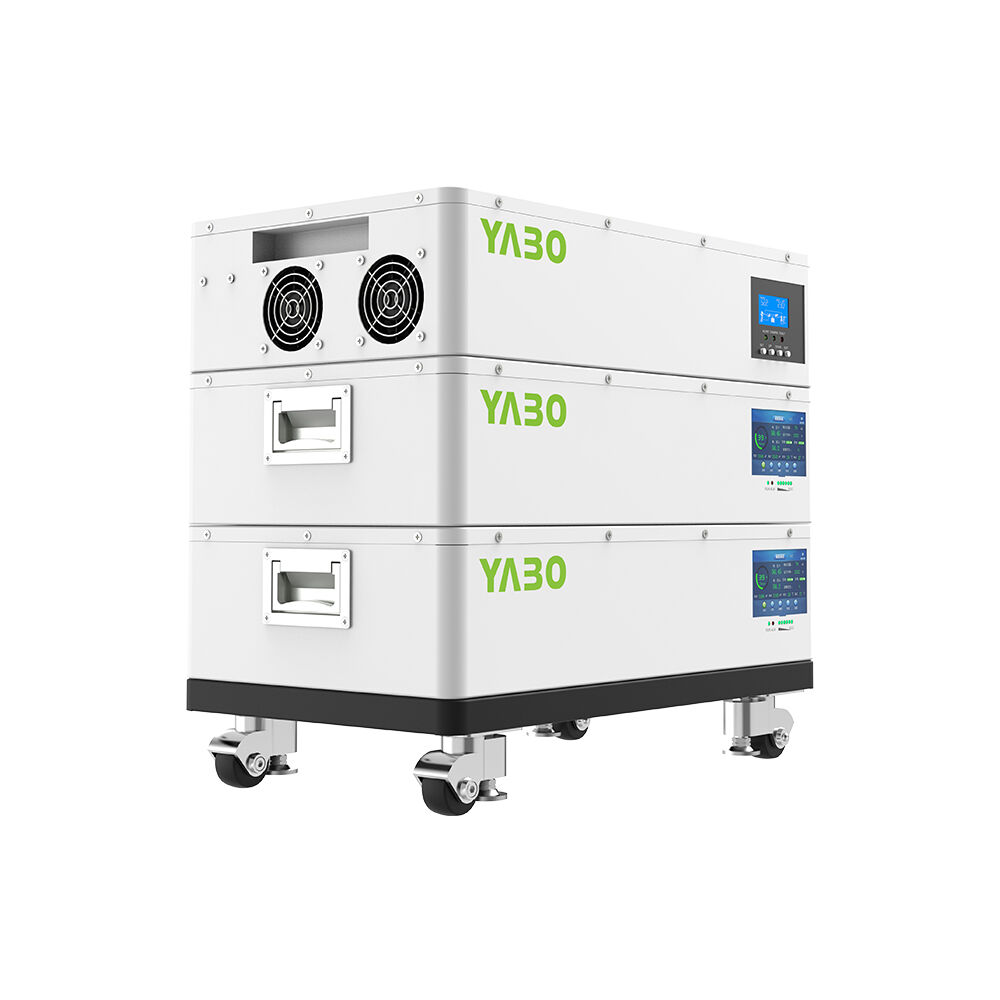
High-capacity lithium batteries represent a revolutionary advancement in energy storage technology, offering superior power density and extended operational capabilities that transform how we approach portable and stationary energy solutions. These sophisticated power systems utilize lithium-ion chemistry to deliver exceptional energy storage capacity while maintaining compact form factors and lightweight designs. The core functionality of high-capacity lithium batteries centers on their ability to store substantial amounts of electrical energy through lithium-ion intercalation processes, where lithium ions move between positive and negative electrodes during charging and discharging cycles. This fundamental mechanism enables these batteries to provide consistent, reliable power output over extended periods, making them ideal for demanding applications requiring sustained energy delivery. Technologically, high-capacity lithium batteries incorporate advanced electrode materials, including lithium iron phosphate, lithium cobalt oxide, and lithium nickel manganese cobalt oxide compositions that optimize energy density while ensuring thermal stability and safety. These batteries feature sophisticated battery management systems that monitor cell voltage, temperature, and current flow to prevent overcharging, over-discharging, and thermal runaway conditions. The applications for high-capacity lithium batteries span numerous industries and use cases, from electric vehicles and renewable energy storage systems to portable electronics and backup power solutions. In automotive applications, these batteries power electric vehicles, providing the range and performance necessary for practical transportation. Solar energy installations utilize high-capacity lithium batteries to store excess energy generated during peak sunlight hours, enabling power availability during nighttime or cloudy conditions. Consumer electronics benefit from these batteries through extended device operation times and faster charging capabilities, while industrial applications leverage their reliability for critical backup power systems and uninterrupted power supplies.


 EN
EN