
 EN
EN
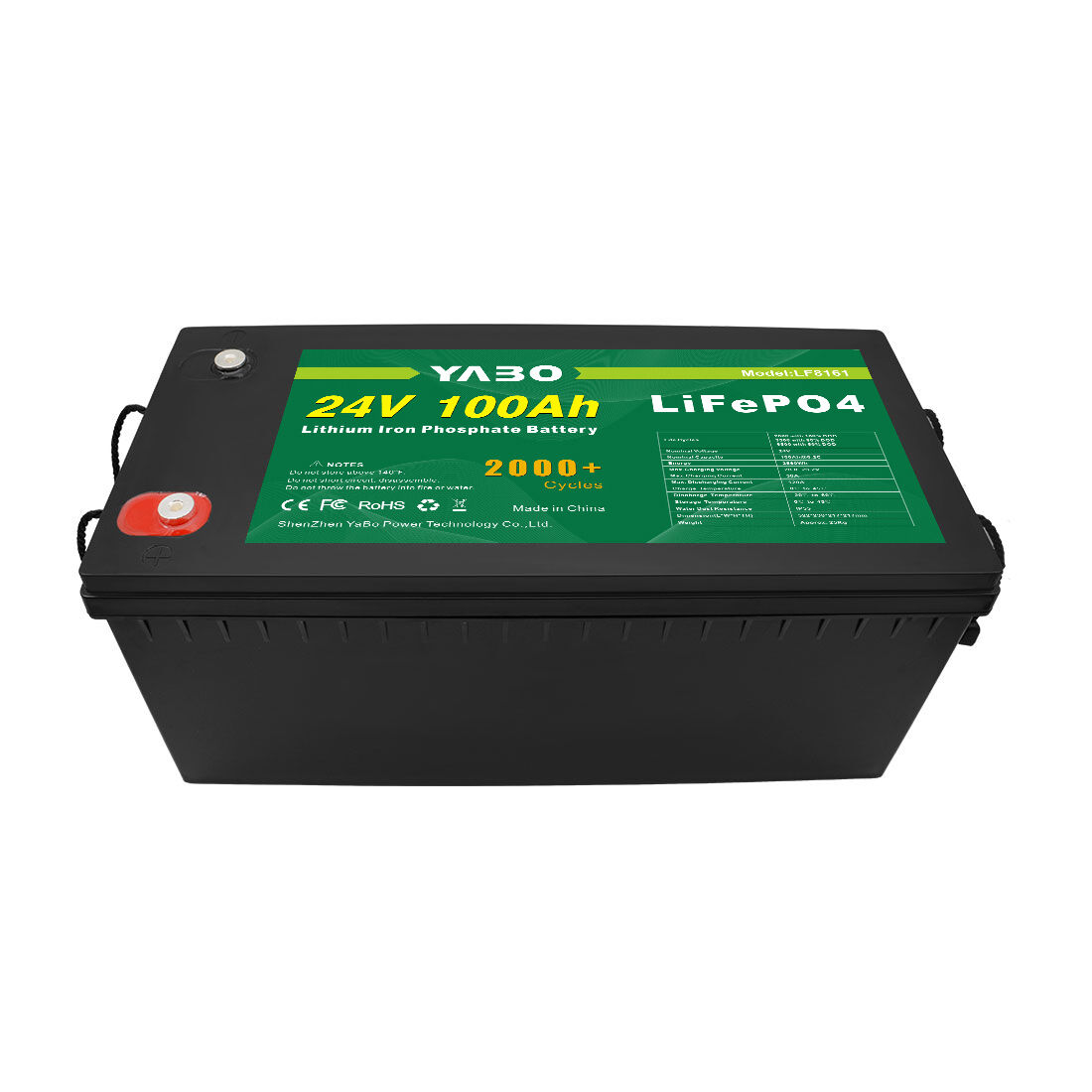
Industrial operations demand reliable and efficient power solutions that can deliver consistent performance under challenging conditions. The adoption of advanced battery technologies has revolutionized how industrial facilities manage their energy requirements, with lithium iron phosphate batteries emerging as a game-changing solution. A 24V LiFePO4 battery represents one of the most significant technological advances in industrial power management, offering superior energy density, extended operational life, and enhanced safety features compared to traditional battery systems.
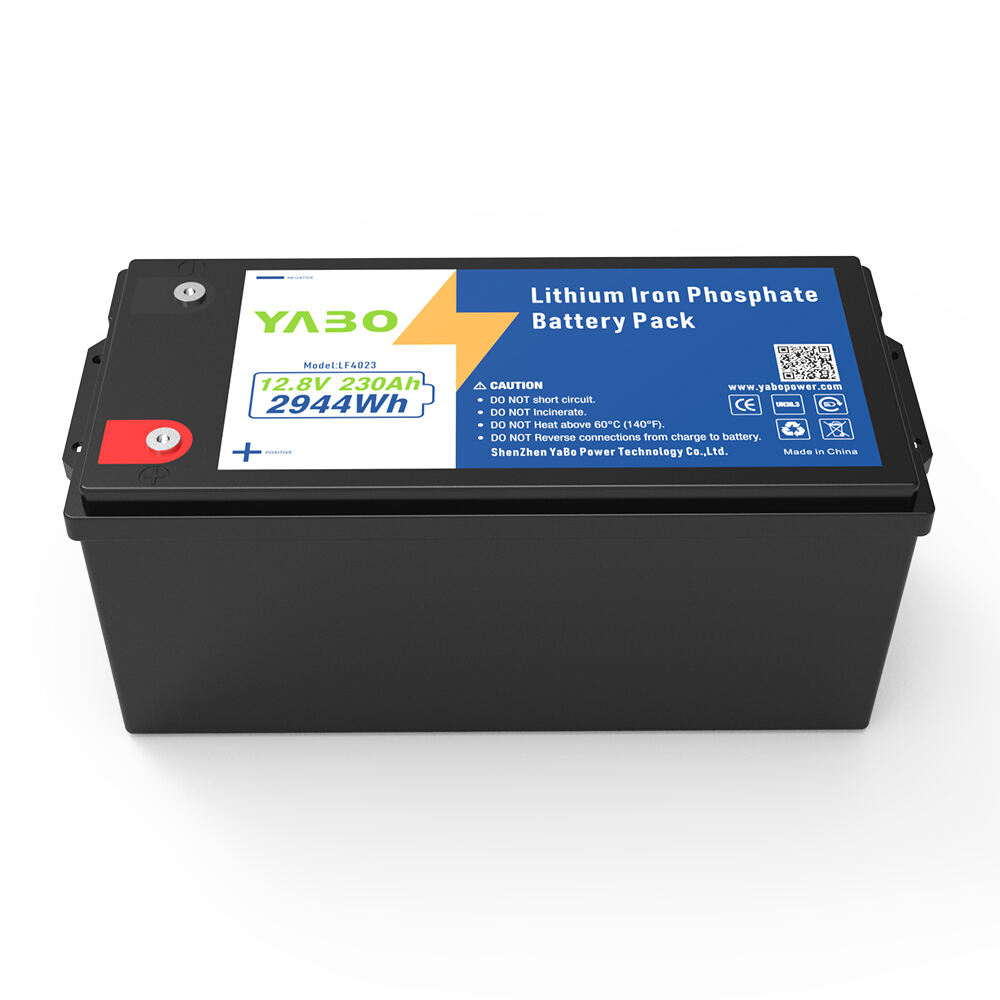
The integration of a 24V LiFePO4 battery system into industrial equipment represents a strategic investment in operational efficiency and long-term cost savings. These advanced power solutions deliver exceptional performance characteristics that directly translate to improved productivity and reduced maintenance overhead. Understanding the specific advantages and applications of these battery systems enables industrial managers to make informed decisions about power infrastructure upgrades that can significantly impact their bottom line.
Understanding LiFePO4 Battery Technology in Industrial Applications
Chemical Composition and Energy Characteristics
Lithium iron phosphate technology utilizes a unique chemical structure that provides inherent stability and safety advantages over other lithium-ion chemistries. The 24V LiFePO4 battery configuration combines multiple cells in series to achieve the desired voltage output while maintaining the beneficial characteristics of the underlying chemistry. This configuration delivers approximately 3000-5000 charge cycles at 80% depth of discharge, significantly outperforming traditional lead-acid alternatives that typically provide only 300-500 cycles under similar conditions.
The energy density of a properly configured 24V LiFePO4 battery system typically ranges from 90-120 Wh/kg, which is substantially higher than lead-acid batteries at 30-40 Wh/kg. This improved energy density allows industrial equipment to operate for extended periods without requiring frequent battery changes or charging cycles. The flat discharge curve characteristic of LiFePO4 technology ensures that equipment receives consistent voltage throughout the discharge cycle, preventing performance degradation that commonly occurs with conventional battery technologies as they discharge.
Thermal Stability and Safety Features
Industrial environments often subject equipment to extreme temperature variations and harsh operating conditions. A 24V LiFePO4 battery demonstrates exceptional thermal stability across a wide temperature range, typically functioning effectively from -20°C to +60°C without significant capacity loss. The inherent thermal stability of iron phosphate chemistry eliminates the risk of thermal runaway events that can occur with other lithium-ion technologies, making these batteries particularly suitable for industrial applications where safety is paramount.
The robust construction of industrial-grade 24V LiFePO4 battery systems includes advanced battery management systems that monitor individual cell voltages, temperatures, and current flow. These integrated safety features automatically protect against overcharging, over-discharging, and short-circuit conditions that could damage equipment or create safety hazards. The built-in protection mechanisms ensure that the battery system operates within safe parameters while maximizing performance and lifespan.
Power Output Advantages for Industrial Equipment
High Discharge Rate Capabilities
Industrial equipment often requires high instantaneous power delivery to handle startup surges, motor acceleration, and peak demand periods. A 24V LiFePO4 battery can typically deliver discharge rates of 1C to 3C continuously, with some specialized configurations supporting burst discharge rates up to 5C for short periods. This high discharge capability ensures that industrial devices receive adequate power during critical operational phases without voltage sag or performance limitations.
The low internal resistance of LiFePO4 technology, typically 2-3 milliohms per cell, minimizes power losses during high-current discharge events. This characteristic enables a 24V LiFePO4 battery to maintain stable voltage output even under heavy load conditions, ensuring consistent performance of connected industrial equipment. The efficient power delivery translates to reduced energy waste and improved overall system efficiency compared to traditional battery technologies.
Voltage Stability and Equipment Performance
Maintaining consistent voltage output is crucial for sensitive industrial equipment that relies on precise power delivery for optimal performance. The flat discharge characteristics of a 24V LiFePO4 battery ensure that connected equipment receives stable voltage throughout the majority of the discharge cycle. This voltage stability prevents equipment malfunctions, reduces wear on electrical components, and maintains consistent operational parameters that are essential for quality control in industrial processes.
Industrial control systems, sensors, and communication equipment particularly benefit from the stable voltage output provided by 24V LiFePO4 battery systems. Voltage fluctuations can cause measurement errors, communication failures, and control system instabilities that can disrupt entire production processes. The consistent power delivery from LiFePO4 technology eliminates these voltage-related issues and contributes to improved overall system reliability and performance.
Operational Efficiency and Cost Considerations
Extended Cycle Life and Maintenance Reduction
The exceptional cycle life of a 24V LiFePO4 battery significantly reduces the total cost of ownership for industrial power systems. With proper management, these batteries can provide 8-10 years of reliable service in typical industrial applications, compared to 2-3 years for conventional lead-acid batteries. This extended operational life reduces replacement frequency, minimizes downtime associated with battery changes, and decreases overall maintenance requirements.
Industrial facilities benefit from reduced maintenance overhead as 24V LiFePO4 battery systems require minimal routine maintenance compared to traditional technologies. There is no need for regular water additions, equalization charging, or specific gravity checks that are required for lead-acid batteries. The maintenance-free operation of LiFePO4 technology allows maintenance personnel to focus on other critical tasks while ensuring reliable power system operation.
Space and Weight Optimization
The compact design and lightweight construction of a 24V LiFePO4 battery enable more flexible installation options in industrial environments where space is often at a premium. These battery systems typically weigh 50-60% less than equivalent lead-acid batteries while occupying significantly less floor space. This weight and space reduction allows for more efficient facility layouts and can reduce structural requirements for battery installation areas.
Mobile industrial equipment particularly benefits from the weight reduction provided by 24V LiFePO4 battery systems. Lower battery weight translates to improved equipment mobility, reduced energy consumption for movement, and increased payload capacity. The compact form factor also enables integration into equipment designs where space constraints would make traditional battery technologies impractical.
Integration Strategies for Industrial Applications
System Compatibility and Upgrade Considerations
Implementing a 24V LiFePO4 battery system in existing industrial infrastructure requires careful consideration of charging system compatibility and voltage requirements. Most industrial equipment designed for 24V operation can benefit from LiFePO4 technology with minimal modifications to existing systems. However, charging equipment may require updates to accommodate the specific charging profile requirements of LiFePO4 chemistry for optimal performance and longevity.
The integration process typically involves evaluating current power requirements, assessing charging infrastructure, and determining the appropriate battery capacity for the specific application. A properly sized 24V LiFePO4 battery system should provide adequate runtime for normal operations while maintaining sufficient reserve capacity for emergency situations. Professional system design ensures optimal performance and maximizes the return on investment for industrial power system upgrades.
Environmental Impact and Sustainability Benefits
Industrial facilities increasingly prioritize sustainable operations and environmental responsibility in their equipment selection criteria. A 24V LiFePO4 battery offers significant environmental advantages compared to traditional battery technologies, including the absence of toxic heavy metals like lead or cadmium. The materials used in LiFePO4 batteries are more environmentally friendly and can be recycled more efficiently at the end of their service life.
The extended operational life of 24V LiFePO4 battery systems reduces the frequency of battery disposal and replacement, contributing to reduced environmental impact over the system lifecycle. Additionally, the higher efficiency of LiFePO4 technology reduces energy consumption during charging cycles, which can contribute to lower overall facility energy usage and reduced carbon footprint for industrial operations.
Performance Monitoring and Management
Advanced Battery Management Systems
Modern 24V LiFePO4 battery systems incorporate sophisticated battery management systems that provide real-time monitoring and control capabilities. These systems continuously monitor individual cell voltages, temperatures, and state of charge to ensure optimal performance and safety. The integrated monitoring capabilities enable predictive maintenance strategies that can identify potential issues before they impact equipment operation.
Industrial facilities can integrate battery monitoring data into existing facility management systems to gain comprehensive visibility into power system performance. This integration enables data-driven decision making regarding maintenance scheduling, capacity planning, and system optimization. The detailed performance data provided by 24V LiFePO4 battery management systems supports proactive maintenance strategies that maximize equipment uptime and operational efficiency.
Remote Monitoring and Diagnostic Capabilities
Advanced 24V LiFePO4 battery systems offer remote monitoring capabilities that enable facility managers to assess battery performance from centralized control rooms or even off-site locations. These remote monitoring systems provide alerts for abnormal conditions, track performance trends, and generate reports that support maintenance planning and system optimization efforts.
The diagnostic capabilities built into modern 24V LiFePO4 battery systems can identify developing issues such as cell imbalances, capacity degradation, or charging system problems before they result in equipment failures. This predictive approach to battery management reduces unexpected downtime and enables more efficient allocation of maintenance resources across industrial facilities.
FAQ
What is the typical lifespan of a 24V LiFePO4 battery in industrial applications
A 24V LiFePO4 battery typically provides 8-10 years of reliable service in industrial applications when properly managed and maintained. The actual lifespan depends on factors such as depth of discharge, operating temperature, and charging practices, but these batteries generally deliver 3000-5000 charge cycles at 80% depth of discharge, significantly outperforming traditional lead-acid alternatives.
How does the power output of a 24V LiFePO4 battery compare to lead-acid batteries
A 24V LiFePO4 battery delivers superior power output compared to lead-acid batteries due to lower internal resistance and higher energy density. These batteries can provide discharge rates of 1C to 3C continuously with stable voltage output throughout the discharge cycle, while lead-acid batteries typically experience significant voltage drop under high load conditions and have limited high-rate discharge capabilities.
What charging considerations are important for 24V LiFePO4 battery systems
Charging a 24V LiFePO4 battery requires specific voltage and current parameters to ensure optimal performance and longevity. The charging system should provide a maximum voltage of 29.2V (3.65V per cell for 8-cell configuration) and incorporate proper charge termination logic. Many existing lead-acid chargers can be adapted for LiFePO4 use with appropriate voltage adjustments and charging profile modifications.
Are there any safety concerns when implementing 24V LiFePO4 battery systems
A 24V LiFePO4 battery is inherently safer than other lithium-ion chemistries due to the thermal stability of iron phosphate chemistry. These batteries do not experience thermal runaway events and include built-in protection against overcharging, over-discharging, and short circuits. Proper installation following manufacturer guidelines and local electrical codes ensures safe operation in industrial environments.
Table of Contents
- Understanding LiFePO4 Battery Technology in Industrial Applications
- Power Output Advantages for Industrial Equipment
- Operational Efficiency and Cost Considerations
- Integration Strategies for Industrial Applications
- Performance Monitoring and Management
-
FAQ
- What is the typical lifespan of a 24V LiFePO4 battery in industrial applications
- How does the power output of a 24V LiFePO4 battery compare to lead-acid batteries
- What charging considerations are important for 24V LiFePO4 battery systems
- Are there any safety concerns when implementing 24V LiFePO4 battery systems