
 EN
EN
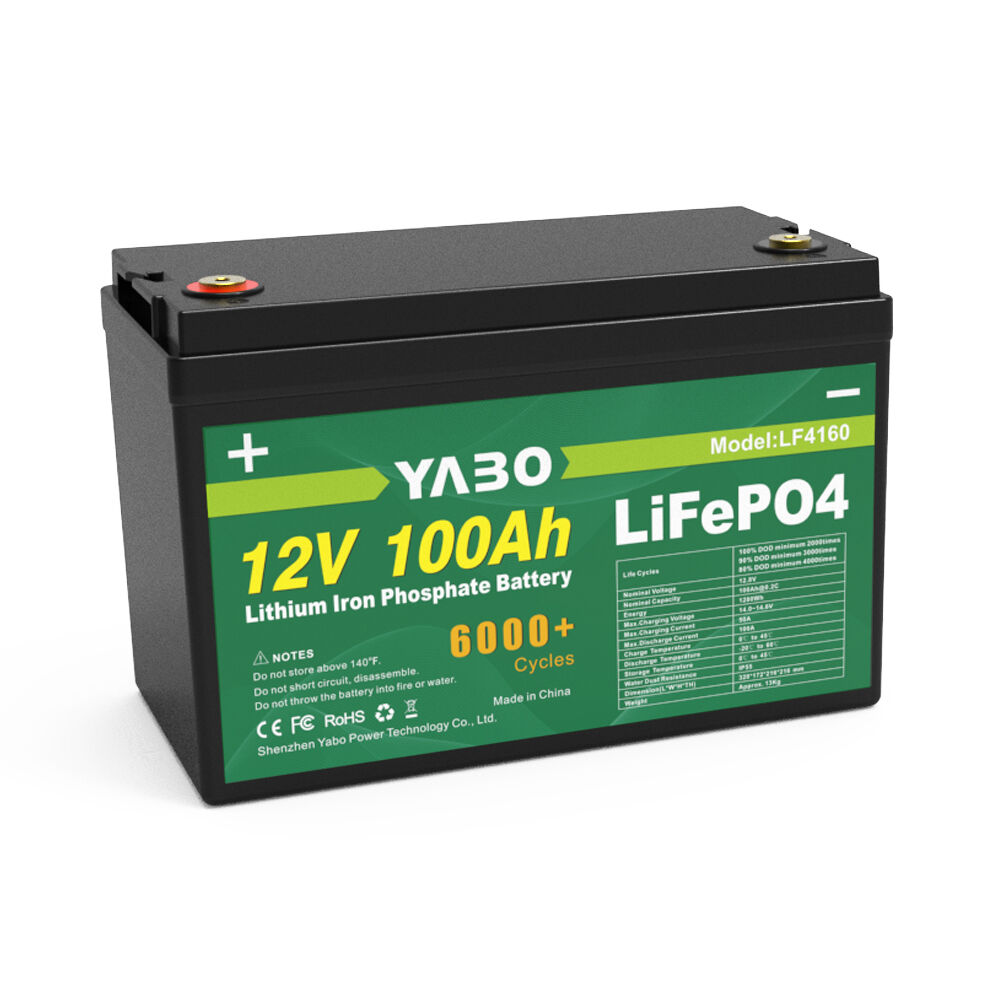
The 12V 100Ah battery configuration has emerged as the gold standard for recreational vehicles, solar energy systems, and backup power applications across diverse industries. This specific voltage and capacity combination delivers an optimal balance of power output, energy storage, and practical installation requirements that make it indispensable for modern off-grid and backup power solutions. Understanding why the 12V 100Ah specification dominates these markets requires examining its technical advantages, compatibility factors, and real-world performance characteristics that have made it the preferred choice for engineers, installers, and end-users worldwide.
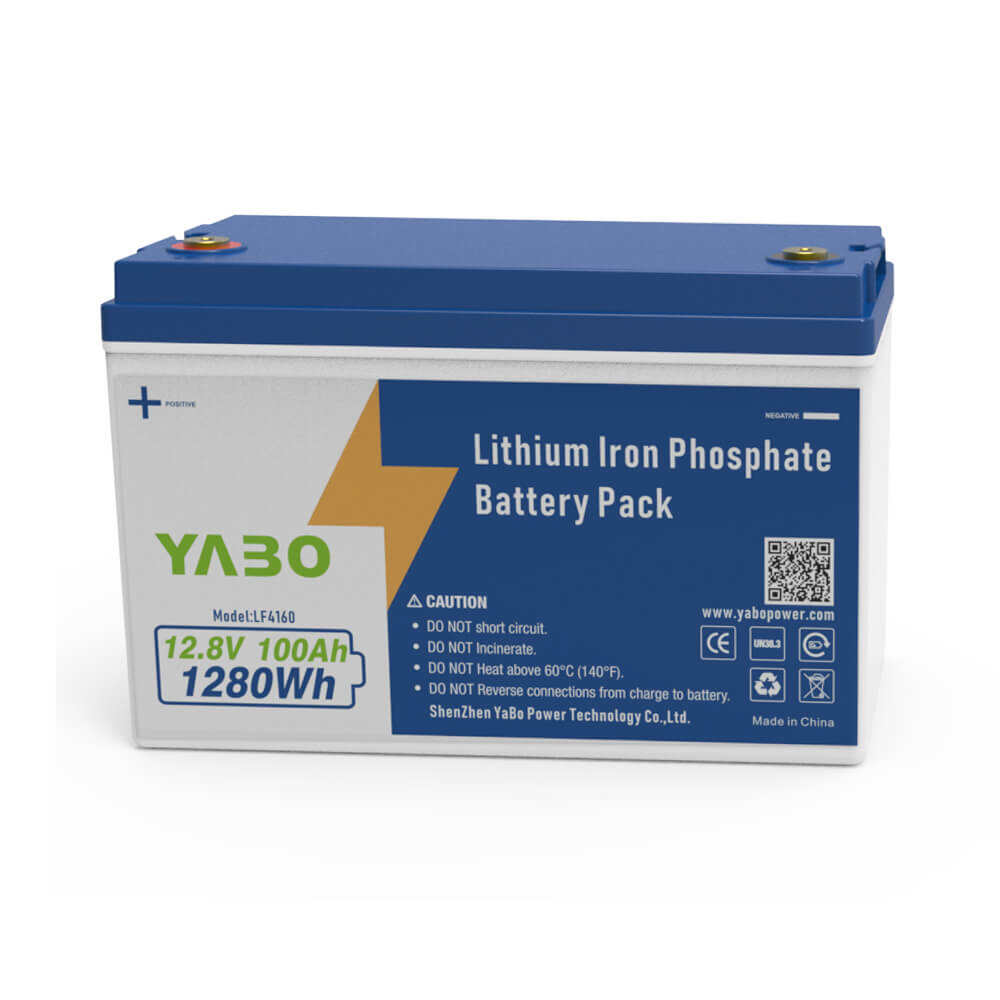
Technical Advantages of 12V 100Ah Configuration
Optimal Voltage Compatibility
The 12V nominal voltage represents the most widely adopted standard in automotive, marine, and recreational vehicle electrical systems. This voltage level ensures seamless integration with existing DC infrastructure, eliminating the need for complex voltage conversion equipment that would otherwise increase system costs and reduce overall efficiency. Most RV appliances, solar charge controllers, and backup power inverters are specifically designed to operate at 12V input voltages, making the 12V 100Ah battery an ideal plug-and-play solution for these applications.
The standardization around 12V systems also facilitates easier troubleshooting and maintenance procedures, as technicians and users are familiar with this voltage level from automotive applications. Safety considerations favor 12V systems because they fall below the 50V threshold that typically requires specialized electrical training and safety protocols, making installation and maintenance more accessible to a broader range of users while maintaining professional reliability standards.
Capacity Balance and Power Delivery
The 100Ah capacity specification provides an excellent balance between energy storage and physical size constraints that are critical in mobile and space-limited applications. This capacity level delivers approximately 1200 watt-hours of energy storage, sufficient to power essential systems for extended periods while remaining compact enough for practical installation in RVs, boats, and residential backup systems. The 12V 100Ah configuration can sustain moderate power loads for 8-12 hours, making it ideal for overnight operations or extended off-grid periods.
Current delivery capabilities of the 12V 100Ah battery typically range from 50-100 amperes continuous discharge, with peak surge capabilities reaching 200-300 amperes for short durations. This power delivery profile matches the requirements of most RV appliances, solar system loads, and backup power equipment, providing reliable performance without the complexity and cost associated with higher voltage configurations that would require series connections and advanced battery management systems.
RV Applications and Performance Benefits
Space Efficiency and Weight Considerations
Recreational vehicle applications demand battery solutions that maximize energy storage while minimizing weight and space consumption, making the 12V 100Ah configuration particularly attractive for these environments. Modern lithium iron phosphate batteries in this specification typically weigh 25-30 pounds compared to 60-70 pounds for equivalent lead-acid batteries, providing significant weight savings that improve fuel efficiency and payload capacity for RV travelers.
The compact form factor of 12V 100Ah batteries allows for flexible installation options in RV battery compartments, with dimensions typically measuring 13x7x8 inches that fit standard battery boxes and mounting systems. This standardized sizing enables easy replacement of existing lead-acid batteries without requiring modifications to battery compartments or mounting hardware, reducing installation costs and complexity while improving overall system performance and reliability.
Integration with RV Electrical Systems
RV electrical systems are fundamentally designed around 12V DC power distribution, making the 12V 100Ah battery specification an ideal match for these applications. The capacity rating provides sufficient power for typical RV loads including LED lighting, water pumps, fans, and small appliances while maintaining voltage stability throughout the discharge cycle that ensures consistent performance of sensitive electronic equipment.
Battery monitoring and charging systems in RVs are optimized for 12V battery banks, with most RV converters, inverters, and solar charge controllers designed specifically for this voltage level. The 100Ah capacity allows for effective parallel connection configurations when additional capacity is required, enabling scalable energy storage solutions that can grow with changing power requirements while maintaining system simplicity and reliability that RV owners demand.
Solar Energy System Integration
Charge Controller Compatibility
Solar charge controllers, particularly PWM and MPPT types commonly used in residential and commercial installations, are extensively optimized for 12V battery charging applications. The 12V 100Ah battery specification aligns perfectly with the output characteristics of these controllers, ensuring efficient power transfer from solar panels to battery storage without requiring complex system modifications or additional equipment that would increase installation costs and reduce system reliability.
Maximum Power Point Tracking controllers designed for 12V systems can effectively manage the charging profile required for 100Ah batteries, providing optimal charging algorithms that maximize battery life and performance. The capacity rating allows for proper sizing of solar arrays, with typical installations using 400-600 watts of solar panels per 12V 100Ah battery to ensure adequate charging during varied weather conditions and seasonal solar irradiance changes.
Energy Storage Scaling Options
Solar energy systems benefit from the modular nature of 12V 100Ah batteries, which can be connected in parallel configurations to increase total system capacity while maintaining the 12V operating voltage that simplifies system design and reduces equipment costs. This scalability allows solar installations to start with a single battery and expand capacity as energy requirements grow, providing flexibility that is particularly valuable for residential and small commercial applications.
The 100Ah capacity represents an optimal balance point for daily energy cycling in solar applications, providing sufficient storage for overnight loads while allowing for complete recharging during typical daylight hours. This capacity level supports daily energy cycling patterns common in off-grid solar systems, where batteries are discharged during evening and night hours and recharged during daylight hours, maintaining long-term battery health and system performance.
Backup Power System Applications
UPS and Emergency Power Integration
Uninterruptible power supply systems and emergency backup applications frequently utilize 12V 100Ah batteries due to their reliability, maintenance requirements, and compatibility with standard UPS equipment. The voltage level matches the input requirements of most residential and small commercial UPS systems, while the 100Ah capacity provides sufficient runtime for critical loads during power outages that typically last several hours to overnight durations.
Emergency power systems benefit from the rapid response characteristics of 12V 100Ah batteries, particularly lithium iron phosphate technologies that can deliver full power immediately without warm-up periods or performance degradation at temperature extremes. The capacity rating ensures adequate power reserves for essential systems including communications equipment, security systems, medical devices, and lighting that must remain operational during grid power interruptions.
Reliability and Maintenance Advantages
Backup power applications demand battery systems that provide consistent performance with minimal maintenance requirements, making the 12V 100Ah specification particularly suitable for these critical applications. Modern battery technologies in this configuration offer 10-15 year service lives with minimal capacity degradation, reducing replacement costs and system downtime associated with battery maintenance and replacement procedures.
The standardized nature of 12V 100Ah batteries ensures wide availability of replacement units and compatible accessories, reducing long-term support costs and supply chain risks that can affect system reliability. Temperature compensation and charging algorithms for 12V systems are well-established and widely supported by backup power equipment manufacturers, ensuring optimal battery performance and longevity in diverse environmental conditions.
Economic and Practical Considerations
Cost Effectiveness and Market Availability
The widespread adoption of 12V 100Ah batteries has created economies of scale that result in competitive pricing compared to other voltage and capacity configurations. Manufacturing volumes for this specification are significantly higher than specialized configurations, reducing per-unit costs while ensuring wide availability through multiple suppliers and distribution channels that benefit end-users with competitive pricing and reliable supply chains.
Installation costs are minimized by the standardized nature of 12V 100Ah systems, as electrical contractors and technicians are familiar with 12V system requirements and safety procedures. The availability of compatible accessories including battery monitors, fuses, disconnect switches, and charging equipment further reduces system costs while ensuring proper installation and operation that maximizes battery performance and service life.
Standardization Benefits
Industry standardization around the 12V 100Ah specification has resulted in extensive compatibility between different manufacturers and battery technologies, providing users with flexibility in battery selection while maintaining system compatibility. This standardization extends to battery management systems, charging equipment, and monitoring devices that can be used interchangeably between different battery brands and technologies without requiring system modifications.
The established nature of 12V 100Ah systems ensures long-term component availability and technical support that is critical for applications requiring extended service lives and ongoing maintenance support. Training materials, troubleshooting guides, and technical documentation are widely available for 12V systems, reducing support costs and enabling effective system maintenance by both professional technicians and knowledgeable end-users.
Future Technology Trends
Battery Chemistry Advancements
Emerging battery technologies including lithium iron phosphate, lithium titanate, and advanced lead-carbon configurations continue to improve the performance characteristics of 12V 100Ah batteries while maintaining compatibility with existing systems and infrastructure. These technological improvements focus on increasing cycle life, reducing charging times, improving temperature performance, and enhancing safety characteristics without requiring changes to system voltage or capacity specifications.
Smart battery technologies are being integrated into 12V 100Ah configurations, providing advanced monitoring capabilities, predictive maintenance alerts, and optimization algorithms that maximize battery performance and service life. These intelligent systems maintain backward compatibility with existing 12V infrastructure while adding value through improved reliability and reduced maintenance requirements that benefit both residential and commercial applications.
Integration with Smart Grid Systems
The evolution toward smart grid and distributed energy systems continues to favor the 12V 100Ah battery specification due to its compatibility with residential energy management systems and grid-tie applications. Vehicle-to-grid technologies and bidirectional charging systems are being developed around 12V battery standards, ensuring continued relevance of this specification as energy systems become more integrated and intelligent.
Energy storage aggregation systems that combine multiple residential and small commercial battery installations rely on standardized components like 12V 100Ah batteries to achieve cost-effective scaling and simplified management protocols. This trend toward distributed energy storage supports continued growth in demand for standardized battery configurations that can be easily integrated into larger energy management systems while maintaining local autonomy and reliability.
FAQ
What makes 12V 100Ah batteries ideal for RV applications
The 12V 100Ah configuration is perfect for RVs because it matches the standard 12V electrical systems used in recreational vehicles while providing sufficient capacity for typical RV loads including lighting, water pumps, and small appliances. The compact size and reduced weight compared to traditional lead-acid batteries make installation easier while providing longer runtime and faster charging capabilities that enhance the RV experience.
How many solar panels are needed to charge a 12V 100Ah battery
Typically, 400-600 watts of solar panels are recommended to effectively charge a 12V 100Ah battery, depending on geographic location, seasonal variations, and daily energy consumption patterns. This sizing ensures adequate charging during shorter winter days while preventing overcharging during peak summer conditions, maintaining optimal battery health and system performance throughout the year.
Can multiple 12V 100Ah batteries be connected together
Yes, 12V 100Ah batteries can be connected in parallel to increase total capacity while maintaining 12V system voltage, or in series to increase voltage for higher voltage applications. Parallel connections are most common, allowing systems to scale from 100Ah to 400Ah or more while using standard 12V equipment and maintaining system simplicity that reduces installation complexity and costs.
What is the expected lifespan of a 12V 100Ah battery
Modern lithium iron phosphate 12V 100Ah batteries typically provide 10-15 years of service life with 3000-5000 charge cycles, while advanced lead-acid technologies offer 5-8 years with 1000-1500 cycles. Actual lifespan depends on usage patterns, charging practices, environmental conditions, and maintenance quality, with proper system design and operation significantly extending battery service life and performance.