Compact Design and Installation Flexibility
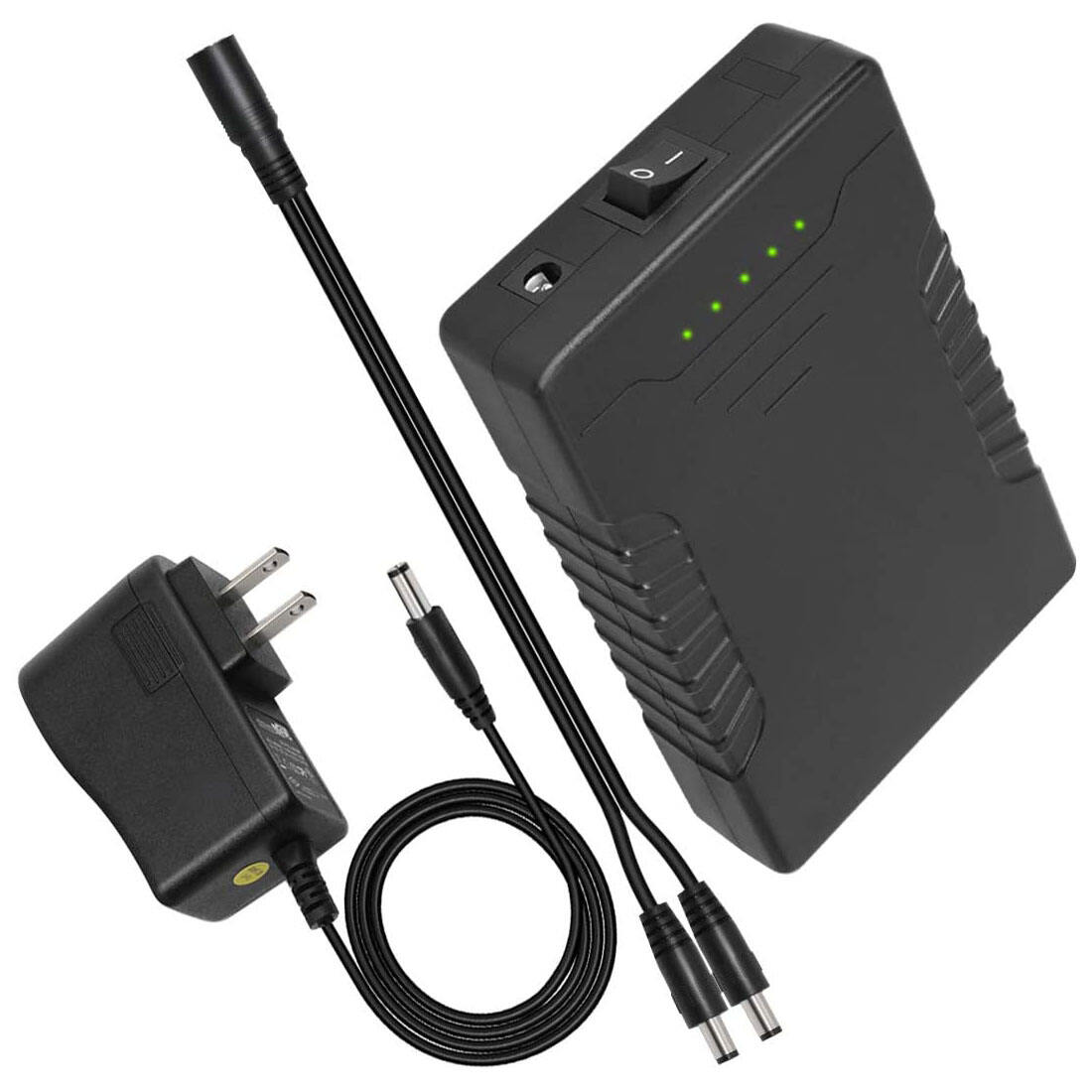
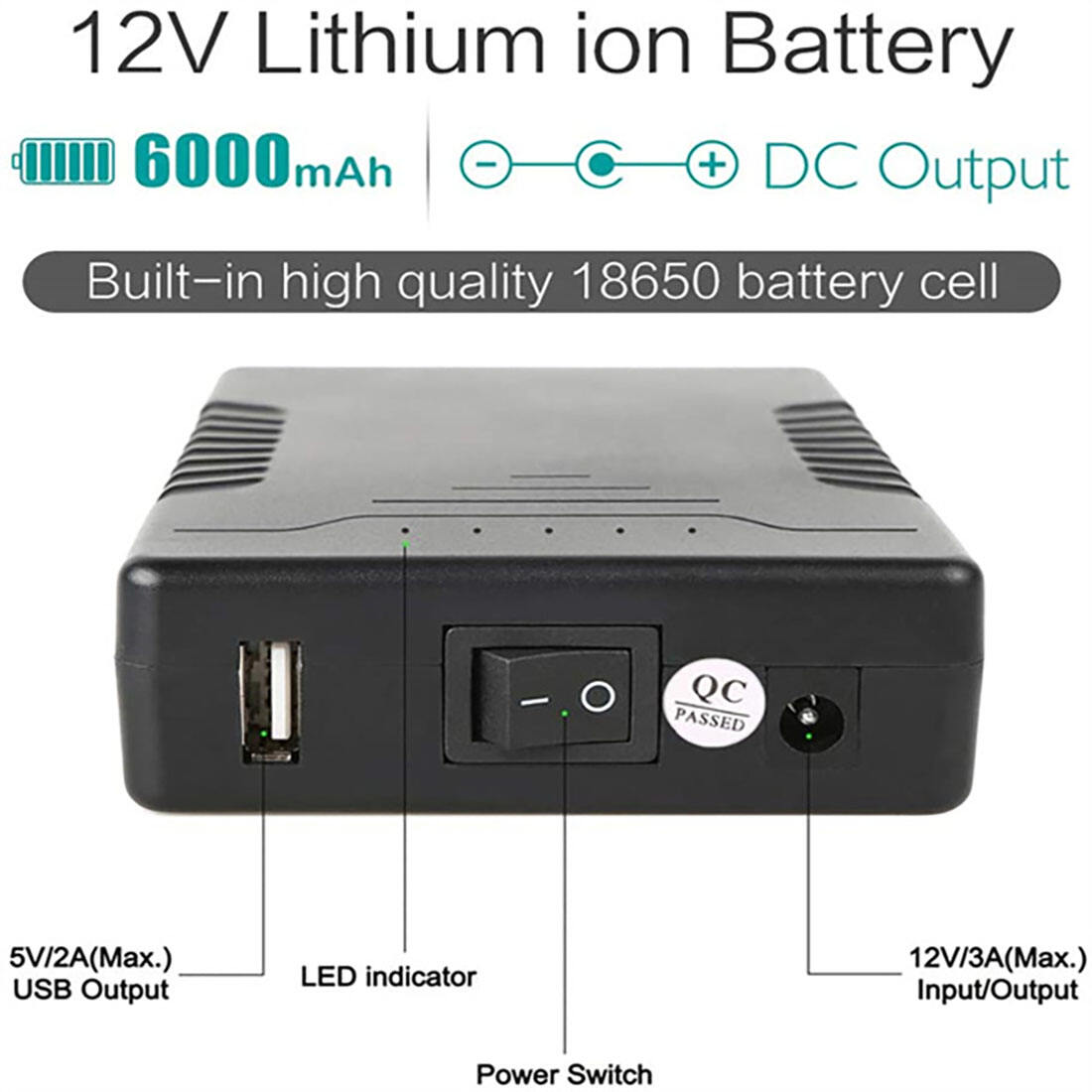
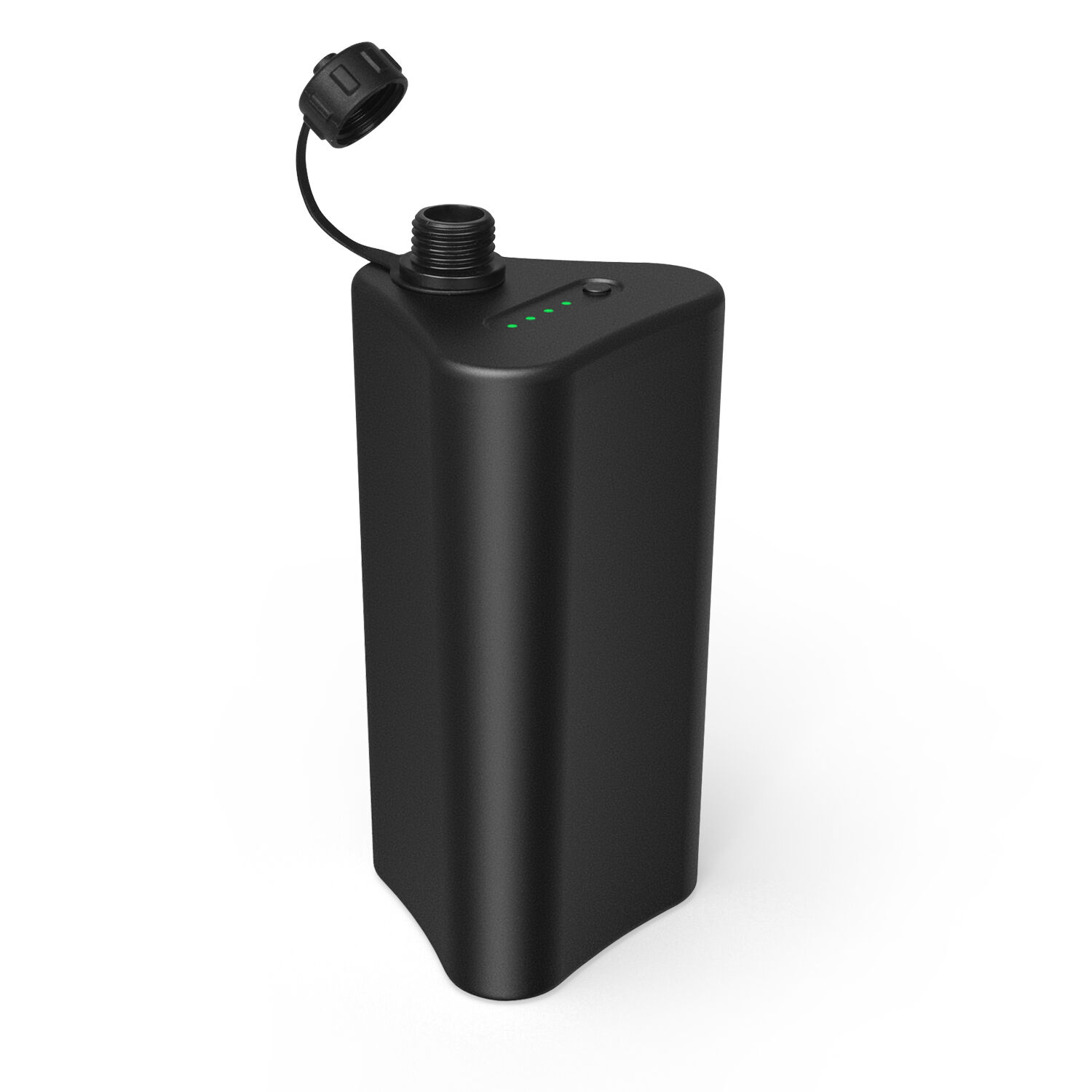
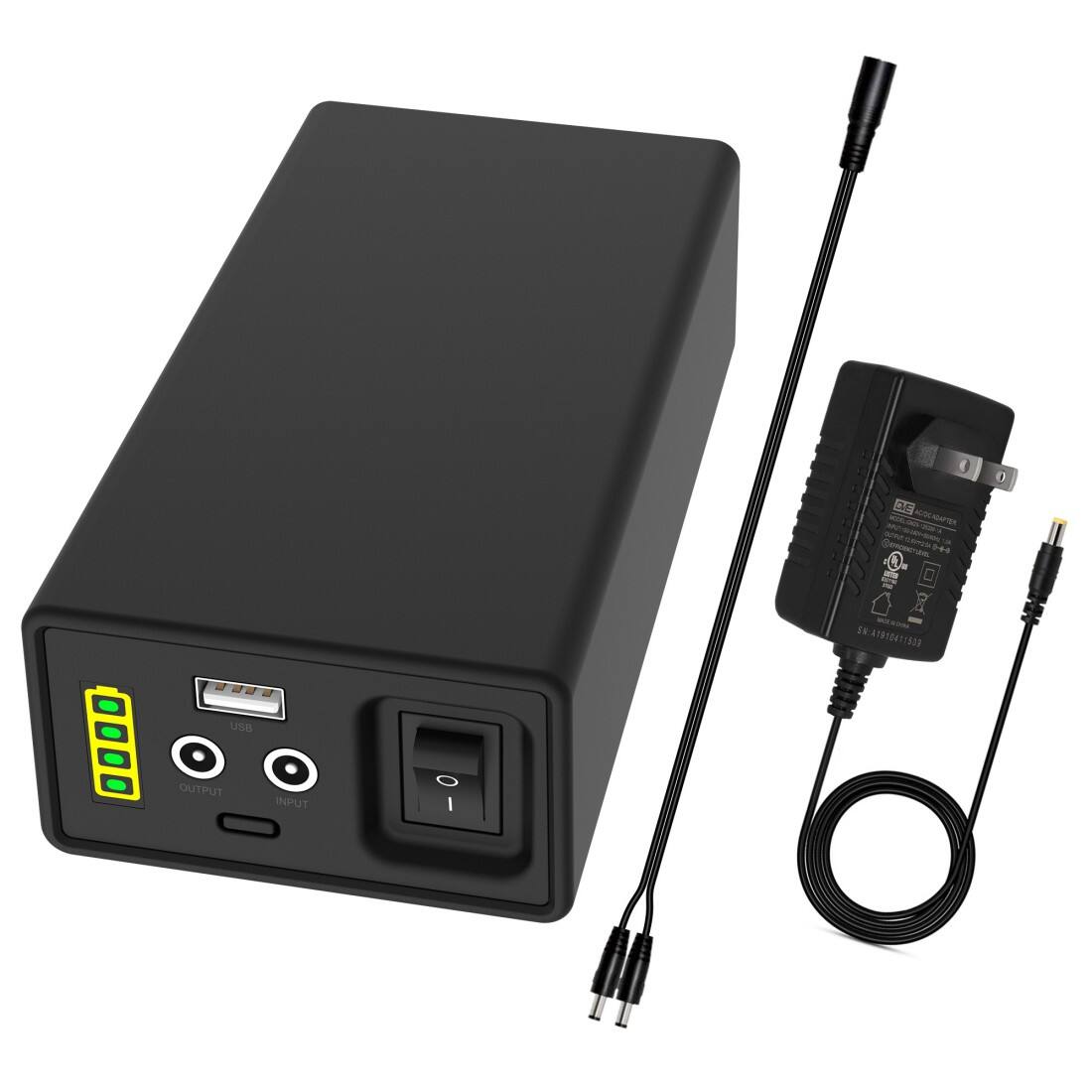
The compact design and installation flexibility of a 12v lithium battery for solar addresses critical space and mounting challenges that limit conventional battery installations. Lithium technology achieves energy densities 2-3 times higher than lead-acid alternatives, storing equivalent power in significantly less space. This space efficiency proves invaluable in residential installations where basement, garage, or utility room space comes at a premium. The reduced footprint allows installation in locations previously considered unsuitable for energy storage, expanding system design possibilities. Lightweight construction further enhances installation flexibility, with lithium batteries weighing 50-70% less than comparable lead-acid units. This weight reduction simplifies mounting requirements, reduces structural load considerations, and enables installations in weight-sensitive applications like second floors, wall mounts, or mobile platforms. Professional installers benefit from easier handling, reduced labor requirements, and simplified transportation to installation sites. The modular nature of 12v configurations enables scalable system designs that can grow with changing energy needs. Multiple batteries connect easily in series or parallel configurations to achieve desired voltage and capacity combinations. This modularity allows phased system expansion, letting users start with basic energy storage and add capacity as requirements or budgets allow. Mounting flexibility accommodates various installation orientations, with lithium batteries operating efficiently whether installed horizontally, vertically, or at angles. This orientation independence contrasts sharply with lead-acid batteries that require specific positioning to prevent electrolyte stratification or spillage. Temperature tolerance enables installation in unheated spaces like garages, sheds, or outdoor enclosures where conventional batteries might freeze or overheat. A 12v lithium battery for solar maintains performance across temperature ranges that would disable traditional alternatives. Ventilation requirements are minimal since lithium batteries produce no hydrogen gas during normal operation, eliminating the need for specialized ventilation systems required by lead-acid installations. This simplification reduces installation costs and expands suitable installation locations. Cable management benefits from standardized terminal configurations and clear polarity marking that reduces installation errors. Built-in safety features and protection circuits minimize external component requirements, simplifying system wiring and reducing potential failure points. The aesthetic appeal of modern lithium battery enclosures allows installation in visible areas without compromising appearance, expanding placement options in finished spaces.



 EN
EN